
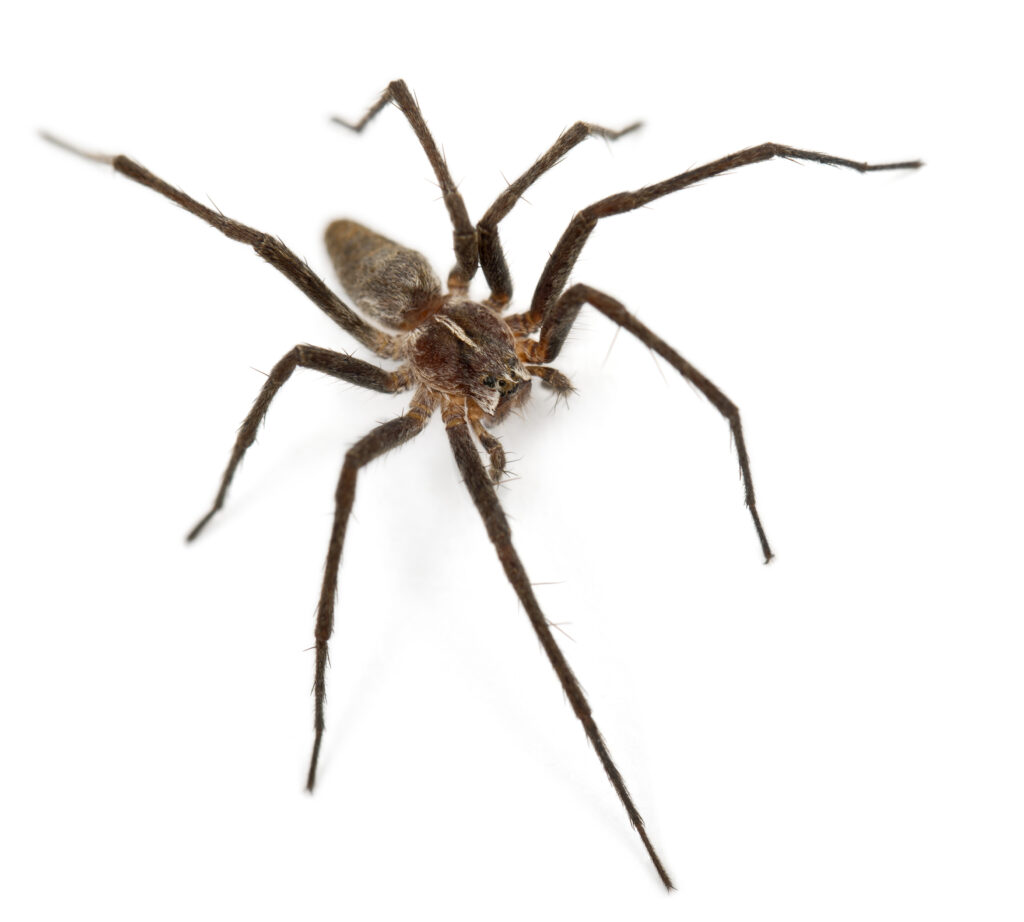
Spiders can be naturally repelled by using essential oils like peppermint, lavender, tea tree, and eucalyptus, offering a safe alternative to chemical repellents with their potent scents. Additionally, vinegar acts as a cost-effective deterrent due to its strong scent and acidity, while citrus peels, cedar, mint, and diatomaceous earth also effectively ward off spiders. These natural methods are not only safe for humans, pets, and the environment but also provide long-lasting protection against unwanted arachnid visitors in your home.
Genuine Pest Control is your professional provider of exterminating services. Call us today at (402) 300-8168 for reliable and affordable pest management.
Key Takeaways
- Essential oils like peppermint, lavender, and tea tree are effective natural spider repellents.
- Vinegar acts as a cost-effective spider deterrent due to its strong scent and acidity.
- Citrus peels, especially lemon and orange, repel spiders naturally.
- Cedar in various forms like blocks, oil, or sachets deters spiders from nesting.
- Mint, particularly peppermint, is an environmentally friendly spider repellent.
Essential Oils
Essential oils have long been known for their ability to repel spiders naturally. These oils offer natural alternatives to chemical-laden spider repellents, making them a preferred choice for those seeking DIY solutions.
Common essential oils such as peppermint, lavender, tea tree, and eucalyptus are effective in deterring spiders due to their strong scents that spiders find unpleasant. To create a spider-repelling spray, simply mix a few drops of essential oil with water in a spray bottle and apply it in areas where spiders tend to frequent, such as corners, windowsills, and doorways.
The beauty of using essential oils for spider control lies in their non-toxic nature, making them safe for both humans and pets. Additionally, these oils not only repel spiders but also leave a pleasant aroma in your home. By incorporating essential oils into your pest management routine, you can enjoy a spider-free environment without the need for harsh chemicals.
Vinegar
When seeking a natural and cost-effective solution for deterring spiders, vinegar emerges as a potent option. Vinegar is well-known for its effectiveness in repelling spiders due to its strong scent and acidic properties. Here are some ways to utilize vinegar for spider control:
- Vinegar spray: Mix equal parts of water and vinegar in a spray bottle and apply it around entry points, corners, and other spider-prone areas.
- Vinegar-soaked cotton balls: Placing vinegar-soaked cotton balls in strategic locations can act as a spider deterrent.
- Vinegar and essential oil blend: Create a solution by combining vinegar with essential oils like peppermint or lavender for an enhanced effect.
- Vinegar on surfaces: Wiping down surfaces with a vinegar solution can help keep spiders away.
- Vinegar traps: Use vinegar in traps to catch spiders and prevent them from roaming freely.
Citrus Peels
In repelling spiders naturally, citrus peels can be a useful tool. The citrus scent is known to repel spiders, making it an effective natural deterrent. Using citrus peels is simple and convenient, offering an easy way to keep spiders at bay.
Citrus Scent Repels Spiders
Harnessing the power of natural scents to deter spiders, citrus peels have emerged as a popular and effective method for repelling these arachnids. The strong citrus scent acts as a natural repellent, deterring spiders from entering your home or specific areas. Citrus peels can be used in various ways to keep spiders at bay:
- Lemon spray: Create a simple spider-repellent spray by mixing water with lemon juice and spraying it in spider-prone areas.
- Orange peel decoction: Boil orange peels in water, let it cool, and then use the citrus-infused water to wipe down surfaces where spiders are often found.
- Citrus peel sachets: Place dried citrus peels in small sachets and put them in closets, drawers, or corners to deter spiders.
- Citrus peel potpourri: Make a natural potpourri using dried citrus peels and place it in rooms to keep spiders away.
- Citrus peel-infused vinegar: Soak citrus peels in vinegar for a few weeks, strain the mixture, and use it as a spider repellent spray.
Easy to Use
To effectively implement citrus peels as a natural spider repellent in your home, simplicity and ease of use are key factors. Citrus peels are not only a natural solution but also one of the easiest DIY methods to keep spiders at bay. By simply placing citrus peels strategically around your home, you can enjoy a spider-free environment without the use of harmful chemicals. Below is a table highlighting the simplicity and convenience of using citrus peels as a spider repellent:
| Easy to Use Citrus Peels |
|---|
| 1. Natural Solution |
| 2. DIY Method |
| 3. Pleasant Smell |
The table above showcases how citrus peels offer a natural, DIY approach to spider control while also leaving your home smelling fresh. This straightforward method is perfect for individuals looking for a hassle-free way to repel spiders and create a safe environment for themselves and their loved ones.
Cedar
Utilizing the natural repellent properties of cedar is a practical and effective method for keeping spiders at bay. Cedar has been known for its ability to repel insects and pests, including spiders, due to its distinct aroma and natural compounds. Here are five ways you can use cedar as a spider repellent:
- Cedar Blocks: Placing cedar blocks or shavings in closets, attics, or basements can help deter spiders from making their homes in these areas.
- Cedar Essential Oil: Mixing cedar essential oil with water and spraying it around entry points and corners can act as a barrier against spiders.
- Cedar Sachets: Hanging cedar sachets in different rooms or placing them in drawers can keep spiders away while also providing a pleasant scent.
- Cedar Mulch: Using cedar mulch in outdoor gardens and near doorways can discourage spiders from entering your home.
- Cedar Repellent Sprays: Ready-to-use cedar repellent sprays are available for convenient application in various areas where spiders tend to lurk.
Mint
Mint, known for its fresh aroma and culinary uses, can also serve as a natural deterrent against spiders. The strong scent of mint, particularly peppermint, is a powerful spider repellent. You can use fresh mint leaves or peppermint spray to keep spiders at bay in your home naturally.
| Mint as Spider Repellent | ||
|---|---|---|
| Fresh Mint Leaves | Peppermint Spray | Effectiveness |
| Place around entry points | Spray in spider-prone areas | Strong scent repels spiders |
| Refresh leaves weekly | Reapply as needed | Easy and convenient solution |
| Environmentally friendly | Environmentally friendly | Safe alternative to chemicals |
Eucalyptus
Eucalyptus is a popular natural spider repellent due to its strong aroma that spiders find unpleasant. The benefits of using eucalyptus include its effectiveness in keeping spiders at bay without the use of harsh chemicals. To utilize eucalyptus as a spider repellent, you can create simple DIY recipes using eucalyptus essential oil or dried eucalyptus leaves.
Benefits of Eucalyptus
Harnessing the natural benefits of eucalyptus is a proven method for repelling spiders effectively. Eucalyptus, known for its strong scent and properties, can act as a natural repellent against spiders. Here are some key benefits of eucalyptus in repelling spiders:
- Pungent Aroma: Spiders are sensitive to strong scents, and eucalyptus has a potent smell that deters them from entering your space.
- Non-Toxic: Eucalyptus is a safe and eco-friendly option for spider control, unlike chemical repellents that may pose risks to pets and children.
- Versatile: Eucalyptus oil can be used in various forms such as sprays, diffusers, or sachets to keep spiders at bay.
- Long-Lasting: The effects of eucalyptus can endure for a long time, providing continuous protection against spiders.
- Aromatherapy Benefits: In addition to repelling spiders, eucalyptus also offers aromatherapy benefits like promoting relaxation and easing congestion.
How to Use Eucalyptus
To effectively utilize eucalyptus for repelling spiders, it is important to understand the various methods of application that can maximize its effectiveness. Eucalyptus benefits are well-known, and one of the most common ways to harness its spider-repelling properties is through eucalyptus oil. Eucalyptus oil properties include its strong scent, which spiders find unpleasant and tend to avoid.
One simple method is to mix a few drops of eucalyptus oil with water in a spray bottle and apply it around entry points and areas where spiders may enter, such as windowsills and doorways. Another way is to add a few drops of eucalyptus oil to a diffuser to spread the scent throughout a room. Additionally, placing eucalyptus leaves or sachets in closets, basements, or other enclosed spaces can help deter spiders from making a home there. By understanding these application methods and the benefits of eucalyptus, you can naturally repel spiders while enjoying the fresh and invigorating aroma of this versatile plant.
Eucalyptus Repellent Recipes
For those looking to create their own natural spider repellents, incorporating eucalyptus into DIY recipes can be a simple and effective solution. Eucalyptus benefits are vast, including its strong smell that spiders dislike. Making a DIY eucalyptus spray is a budget-friendly and eco-conscious way to keep spiders at bay. Here are five eucalyptus repellent recipes to try:
- Eucalyptus Oil Spray: Mix water and eucalyptus essential oil in a spray bottle for a quick repellent.
- Eucalyptus Soap Solution: Dilute eucalyptus castile soap with water to create a spider-deterring mixture.
- Eucalyptus Vinegar Blend: Combine eucalyptus oil with white vinegar for a natural repellent that also helps to clean surfaces.
- Eucalyptus Herb Sachets: Place dried eucalyptus leaves in sachets and hang them in spider-prone areas.
- Eucalyptus Candle Infusion: Add a few drops of eucalyptus oil to melted candle wax for a fragrant repellent when lit.
These simple recipes offer effective ways to harness the power of eucalyptus in keeping spiders away.
Diatomaceous Earth
Diatomaceous Earth, a natural substance derived from fossilized remains of diatoms, is a popular method for repelling spiders effectively and without the use of harmful chemicals. This powdery substance works by dehydrating insects and arachnids upon contact, making it an efficient and eco-friendly option for pest control.
Diatomaceous Earth Benefits and Effectiveness
When using diatomaceous earth to repel spiders, there are several benefits and tips to keep in mind:
| Benefits | Effectiveness |
|---|---|
| Safe for pets and humans | Dehydrates spiders |
| Environmentally friendly | Non-toxic to the environment |
| Long-lasting protection | Acts as a physical barrier |
Diatomaceous Earth Application Tips
To maximize the effectiveness of diatomaceous earth in repelling spiders, here are the following application tips:
- Sprinkle: Generously scatter diatomaceous earth around entry points such as windows, doors, and cracks.
- Reapply: Reapply after rain or every few weeks to maintain its potency.
- Use indoors: Apply a thin layer indoors in areas where spiders are likely to hide.
Frequently Asked Questions
Can Spiders Become Immune to Natural Repellents Over Time?
In considering spider behavior and the effects of natural compounds over time, it is plausible for spiders to develop a level of tolerance or resistance to certain repellents. This adaptation could potentially reduce the efficacy of such repellents.
Do These Natural Remedies Work Against All Types of Spiders?
When considering spider behavior, it should be emphasized that natural repellents may not be universally effective. Common misconceptions often lead to the belief that these remedies work against all types of spiders, but efficacy varies.
How Often Should Natural Spider Repellents Be Reapplied?
To maintain the potency and effectiveness of natural spider repellents, it is advisable to reapply them every 1-2 weeks. This frequency guarantees longevity and consistent protection against spiders, creating a pleasant environment for all.
Are There Any Safety Concerns When Using These Repellents Indoors?
When using natural spider repellents indoors, it is important to keep in mind potential risks such as allergic reactions. While these repellents can be effective, individuals with allergies should exercise caution and consult with a healthcare professional.
Can Combining Different Natural Repellents Enhance Their Effectiveness?
Combining various natural repellents can potentially enhance their effectiveness against spiders. The synergy of repellent combinations may create a more robust barrier against pests. This strategy leverages the natural efficacy of individual ingredients to provide thorough protection.


