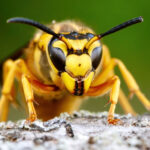
For stinging insect control in Bellevue, NE, it's important to identify, prevent, and remove nests safely. Bees, wasps, and hornets nest in various spots like trees, eaves, and underground, necessitating regular property inspections. DIY tips include wearing light clothing, sealing food, and checking for nests. Natural repellents like essential oils can help deter insects. Professional services offer tailored inspections and effective treatments, prioritizing safety. From beehive removal techniques to long-term control strategies, early intervention and proper safety measures are essential. A complete approach ensures the well-being of residents and successful pest management.
Genuine Pest Control is your professional provider of exterminating services. Call us today at (402) 300-8168 for reliable and affordable pest management.
Key Takeaways
- Professional inspection services for accurate identification of stinging insect nests.
- Effective wasp and hornet treatments to eliminate nests and prevent reinfestation.
- Safe removal methods using eco-friendly and humane techniques.
- Importance of early intervention to minimize stings and bites risk.
- Long-term control strategies targeting nesting sites and infestation sources.
Identifying Stinging Insects in Bellevue
In Bellevue, Nebraska, it is essential to be able to identify the various stinging insects that may pose a threat to residents. Nest identification is vital in distinguishing between different species. Bees typically build their nests in tree cavities, walls, or roof eaves, while wasps create paper-like nests under eaves, in bushes, or underground. Hornets often construct large, visible nests in trees or shrubs. Sting prevention is key to avoiding painful encounters with these insects. Wearing light-colored clothing and avoiding floral-scented perfumes can help deter them. When outdoors, it is recommended to keep food covered and garbage sealed to prevent attracting stinging insects. If a nest is spotted near your home, it is best to contact a professional pest control service for safe removal. By being able to identify these stinging insects and taking necessary precautions, residents can better protect themselves and their families from potential stings.
Common Nest Locations in Bellevue
Identifying common nest locations of stinging insects in Bellevue, Nebraska plays an important role in proactive pest management. Nest recognition is vital in effectively addressing stinging insect infestations. In Bellevue, stinging insects such as wasps, bees, and hornets often build their nests in various locations around residential and commercial properties. Common nest locations include trees, shrubs, eaves, attics, and even underground burrows. These areas provide shelter and protection for the insects to establish their colonies.
To prevent stinging insects from nesting in these areas, regular inspection and maintenance of properties are essential. By identifying and addressing potential nesting sites early on, property owners can reduce the risk of infestations. Nest relocation may be necessary in some cases, especially if the nest poses a threat to human health and safety. Protecting vulnerable areas with screens or barriers can also help deter stinging insects from building nests in unwanted locations. By implementing proactive measures for nest prevention and protection, residents of Bellevue can minimize the risks associated with stinging insect infestations.
DIY Prevention Tips for Stings
To effectively minimize the risk of stings from stinging insects, implementing do-it-yourself (DIY) prevention measures is essential. Simple steps can be taken to reduce encounters with these insects. First, it is vital to keep food and drinks covered when outdoors, as sugary substances attract stinging insects. Additionally, wearing light-colored clothing and avoiding strong perfumes can help deter them. Regularly inspecting outdoor areas for nests and sealing any gaps or cracks in buildings can prevent insects from establishing colonies near your home.
In case of a sting, knowing basic first aid is crucial. Remove the stinger promptly by scraping it off with a fingernail or a credit card, rather than squeezing it. Clean the area with soap and water, apply a cold compress to reduce swelling, and consider taking an antihistamine if needed. If there is a severe allergic reaction, seek emergency response immediately. By following these DIY prevention tips and being prepared with first aid knowledge, you can better protect yourself from stinging insect encounters.
Natural Repellents for Stinging Insects
For those seeking natural alternatives to traditional insect repellents, exploring plant-based solutions can offer effective protection against stinging insects. Essential oils are a popular choice for natural repellents due to their strong scents that insects find unpleasant. Peppermint, citronella, and tea tree oil are known for their ability to deter stinging insects like bees and wasps. These essential oils can be diluted with water and sprayed around outdoor spaces to create a barrier against these pests.
Plant-based deterrent options include herbs like basil, mint, and lemongrass, which emit fragrances that repel stinging insects. Planting these herbs in gardens or keeping them in pots near entry points can help deter bees and wasps from nesting in the vicinity. Additionally, a mixture of vinegar and water can be used as a natural repellent spray to keep stinging insects at bay.
Professional Inspection Services Offered
Our professional inspection services provide a thorough assessment of your property to identify potential nesting sites and entry points for stinging insects. Using advanced inspection techniques, our knowledgeable team excels at pest identification, pinpointing the specific types of stinging insects present on your premises. By locating nests and hives through nest identification methods, we can determine the extent of the infestation and tailor our approach accordingly.
Moreover, our inspections not only focus on identifying existing problems but also on implementing prevention methods to deter future infestations. Through a detailed examination of your property, we can recommend strategies to fortify your defenses against stinging insects, such as sealing entry points and eliminating attractants.
With our professional inspection services, you can rest assured that your property will receive a thorough evaluation, leading to targeted solutions for effective stinging insect control. Trust us to safeguard your home or business from these potentially dangerous pests.
Effective Wasp and Hornet Treatments
Specializing in efficient treatments for wasps and hornets, our expert team utilizes proven methods to address these stinging insects promptly and effectively. When dealing with wasps, our priority is the thorough elimination of their nests to prevent further infestations. Our team is well-equipped to locate and eradicate these nests, ensuring the safety of your property and loved ones.
Additionally, we recognize the significance of hornet sting prevention. Our treatments not only focus on removing existing hornet populations but also on implementing measures to deter future colonies from forming. By taking proactive steps, we aim to create a secure environment free from the risk of painful hornet stings.
With our comprehensive approach to wasp and hornet control, we guarantee efficient results that prioritize your well-being and peace of mind. Trust our experienced team to handle your stinging insect concerns with professionalism and care.
Beehive Removal Techniques
When dealing with beehive removal, it is important to first identify the location of the hive to guarantee effective removal. Safe removal methods should always be prioritized to protect both the individual performing the removal and the surrounding environment. By following proper techniques, beehive removal can be done efficiently and safely.
Hive Location Identification
Efficient identification of hive locations is essential for successful bee removal techniques. When dealing with stinging insects, it is important to locate hidden hives and accurately identify nests to secure a safe and effective removal process. Hidden hives can often be found in secluded areas such as attics, wall voids, or underground.
To identify hive locations, pest control experts use a combination of visual inspections and specialized tools. They look for signs such as increased insect activity, buzzing sounds, and visible swarms. By pinpointing the exact location of the hive, professionals can determine the best approach for removal that minimizes the risk of stings and damage to property.
Nest identification is another key aspect of hive location. Different stinging insects, such as bees, wasps, and hornets, construct their nests in unique ways. Understanding these differences allows pest control specialists to tailor their removal methods accordingly, ensuring a thorough and effective process. By accurately identifying hive locations and nests, professionals can safely remove stinging insects while mitigating the risk to individuals and property.
Safe Removal Methods
For successful stinging insect control, employing safe removal methods is vital, especially when dealing with beehive removal techniques. When it comes to eliminating beehives, it is important to prioritize the well-being of both people and the insects themselves. Here are some key considerations for safe beehive removal:
- Eco-Friendly Solutions: Utilizing environmentally friendly products and techniques guarantees that the environment is not harmed during the removal process.
- Non-Toxic Options: Opting for non-harmful substances ensures the safety of not only the individuals involved but also the bees and other beneficial insects in the area.
- Humane Removal: Practicing compassionate removal methods ensures that the bees are relocated without causing them harm, promoting ethical practices in pest control.
Importance of Early Intervention
Timely intervention plays a pivotal role in effectively managing and controlling stinging insects in Bellevue, NE. Early intervention benefits not only prevent the situation from escalating but also guarantee the safety of individuals and properties. Here are some preventative measures and tips for successful early intervention:
| Preventative Measures | Early Intervention Benefits | Tips for Success |
|---|---|---|
| Regular inspections of property | Minimize risk of stings and bites | Act promptly upon sighting nests |
| Sealing cracks and crevices around buildings | Prevent infestations | Seek professional help if unsure |
| Proper waste management | Reduce attractiveness to stinging insects | Wear protective clothing when approaching nests |
| Removing standing water sources | Eliminate breeding grounds | Avoid sudden movements near nests |
| Planting insect-repelling plants | Deter stinging insects | Stay informed about local insect species |
Safety Measures During Nest Removal
Ensuring safety during the removal of stinging insect nests is vital to prevent potential harm to individuals and property. When dealing with nest removal, it is important to follow safety measures to protect both yourself and the environment. Here are some key practices to keep in mind:
- Protective gear: Prioritize wearing suitable protective gear such as bee suits, gloves, and face masks to shield yourself from potential stings and allergens.
- Proper disposal: After removing the nest, make sure to correctly dispose of the nest and any contaminated items to prevent attracting more stinging insects back to the area.
- Seek professional assistance: If the nest is large or poses a significant risk, contemplate seeking help from experienced pest control professionals who have the necessary skills and equipment to handle the situation safely and effectively.
Long-Term Stinging Insect Control
How can property owners effectively maintain control over stinging insects for the long term? Sustainable control of stinging insects involves more than just removing visible nests. To achieve long-term success, property owners should focus on thorough nest destruction. Regular inspections of the property to identify and eliminate potential nesting sites are vital. Keep outdoor areas clean and free of debris where insects may build nests. Additionally, sealing any entry points into buildings can prevent stinging insects from establishing new colonies.
For sustainable control, addressing the root cause of infestations rather than just treating the symptoms is necessary. Collaborating with a professional pest control service can provide expertise in identifying and targeting the source of the issue. They can develop a personalized plan to guarantee long-term stinging insect control on the property. By implementing proactive measures and staying vigilant, property owners can create an environment that is less appealing to stinging insects, ultimately leading to a more sustainable and effective control strategy.
Frequently Asked Questions
Can Stinging Insects Cause Damage to My Property in Bellevue?
Stinging insects can indeed cause property damage in Bellevue. Implementing preventive measures such as sealing entry points, removing attractants, and regular inspections can help mitigate the risk. Contacting a professional for proper control and management is advisable.
How Do I Differentiate Between Harmful and Harmless Stinging Insects?
Identifying species is pivotal in differentiating between harmful and harmless stinging insects. Behavior patterns are also essential; aggressive behavior usually indicates a harmful species. Seek professional guidance if uncertain. Avoid provoking stinging insects to prevent potential risks.
Are There Any Specific Plants or Scents That Attract Stinging Insects in Bellevue?
Certain plants like lavender, mint, and marigolds can attract stinging insects due to their scents. Be cautious of nest locations near these plants. To deter insects, consider using removal methods like trapping or hiring professionals for assistance.
What Should I Do if I Discover a Large Nest of Stinging Insects?
Discovering a large nest of stinging insects can be intimidating. For safe removal, contact professionals equipped to handle this task efficiently and safely. Attempting nest removal independently can be risky. Seek expert guidance for a smooth resolution.
Can Stinging Insects Pose Health Risks to Pets in Bellevue?
Stinging insects can indeed pose health risks to pets in Bellevue due to potential allergies and aggressive behavior. Preventive measures like keeping pets indoors during peak insect activity can help guarantee their safety.