A heavy rodent infestation in Omaha is marked by clear signs of rodent activity. This includes many droppings, nests made from shredded materials, and noticeable damage to property. Sounds of scratching at night may also be present. In such cases, there is a risk to health, as rodents can spread diseases. Additionally, identifying these issues early is essential. There are effective ways to manage and control these infestations, which can be explored further.
Key Article Highlights
- A heavy rodent infestation is indicated by large quantities of droppings and urine found throughout the property.
- The presence of multiple nests made from shredded materials suggests an established rodent colony.
- Frequent scratching or scurrying noises at night are signs of significant rodent activity.
- Visible gnaw marks on wires and wood indicate extensive damage caused by rodents.
- An increase in rodent sightings, especially during the day, can signal a severe infestation.
Identifying Signs of a Heavy Rodent Infestation
When a home is affected by a heavy rodent infestation, certain signs become noticeable. One key indicator is the presence of droppings and urine. These small, dark droppings can often be found in areas where rodents gather. Homeowners may also notice urine stains that may glow under UV light. Another sign of nesting is the discovery of shredded materials. Rodents often use paper, fabric, or insulation to create nests. These nests can be hidden in walls, attics, or under furniture. Additionally, sounds like scratching or scurrying may be heard at night. Recognizing these signs can help in taking the necessary steps to address the issue. Rodent behavior can also include gnaw marks on wires and wood, which may lead to further damage and safety hazards. Being aware of infestation indicators such as these can facilitate early detection and prompt treatment. Furthermore, an increase in rodent activity around the property, especially near food sources or entry points, is a common sign of a heavy infestation. Moreover, the accumulation of debris and unusual odors are often associated with heavy infestations, signaling the need for professional intervention.
Health Risks Associated With Rodent Infestations
Rodent infestations pose serious health risks to humans. These risks arise from the behavior and habitat of rodents, particularly rats. Rodents can carry diseases that spread through their droppings, urine, and bites. Some common diseases include hantavirus, leptospirosis, and salmonella. When rats invade homes, they often contaminate food and surfaces, creating unsafe living conditions. Their habitats can include walls, attics, and basements, where they nest and reproduce. As they search for food, they may come into contact with humans, increasing the chance of disease transmission. Additionally, the allergens found in rodent droppings can worsen asthma and other respiratory problems. Proper sanitation and sealing entry points are crucial preventative measures to reduce infestation risks. Maintaining rodent-proofing techniques is essential for long-term protection. Early detection is vital to prevent a minor problem from escalating into a heavy infestation. Recognizing signs such as droppings or gnaw marks can aid in early identification of an infestation before it becomes unmanageable. Consequently, it is vital to address rodent infestations promptly to protect health and well-being.
Common Rodent Species in Omaha
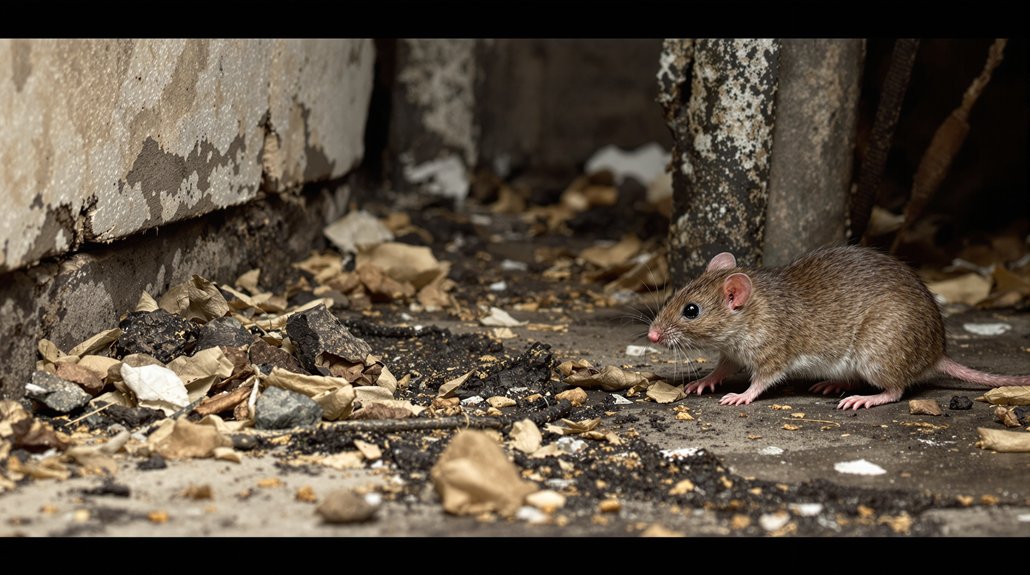
In Omaha, several common rodent species can be found, each with distinct characteristics. These species have unique rodent nesting habits and preferred rodent entry points into homes and buildings. Understanding these species can help in managing infestations effectively. Identifying specific species is crucial for implementing targeted control strategies. Recognizing the habitat preferences of each species can improve the effectiveness of your pest management approach.
- House Mouse: Small, agile, often found in homes.
- Norway Rat: Larger, prefers burrowing near foundations.
- Roof Rat: Sleek, good climbers, often found in upper areas.
- Deer Mouse: Common in rural areas, can carry diseases.
- Woodrat: Prefers wooded areas, builds nests with debris.
Each species has its own behavior and habitat needs, making it important to identify them for proper control measures.
Assessing the Severity of an Infestation
Evaluating the severity of an infestation requires careful observation and analysis. First, one must look for signs of rodent activity, such as droppings, gnaw marks, and nesting materials. Understanding rodent mating behaviors is vital, as rapid reproduction can lead to a larger population quickly. If signs of nests are found, it may indicate a thriving colony. Next, appraising rodent habitat preferences helps identify where they might be living. Rodents often seek food, water, and shelter in homes, basements, or attics. An increase in sightings, combined with these signs, suggests a heavy infestation. Regular monitoring and thorough inspections can reveal the extent of the problem, allowing for appropriate action to be taken.
Effective Strategies for Rodent Control

While dealing with a rodent infestation can be challenging, several effective strategies can help manage and eliminate the problem. First, homeowners should use rodent baiting to attract and kill rodents. This method is helpful in reducing rodent numbers quickly. Additionally, exclusion techniques can stop rodents from entering the home. These techniques involve sealing cracks and gaps in walls, doors, and windows. Maintaining cleanliness is also essential; food should be stored properly and trash disposed of regularly. Using traps is another effective way to control rodent populations. Finally, seeking professional pest control services can provide expertise and solutions tailored to the specific situation.
Effective strategies for managing rodent infestations include baiting, exclusion techniques, cleanliness, traps, and professional pest control services.
- Use rodent baiting
- Apply exclusion techniques
- Maintain cleanliness
- Set traps
- Hire pest control experts