
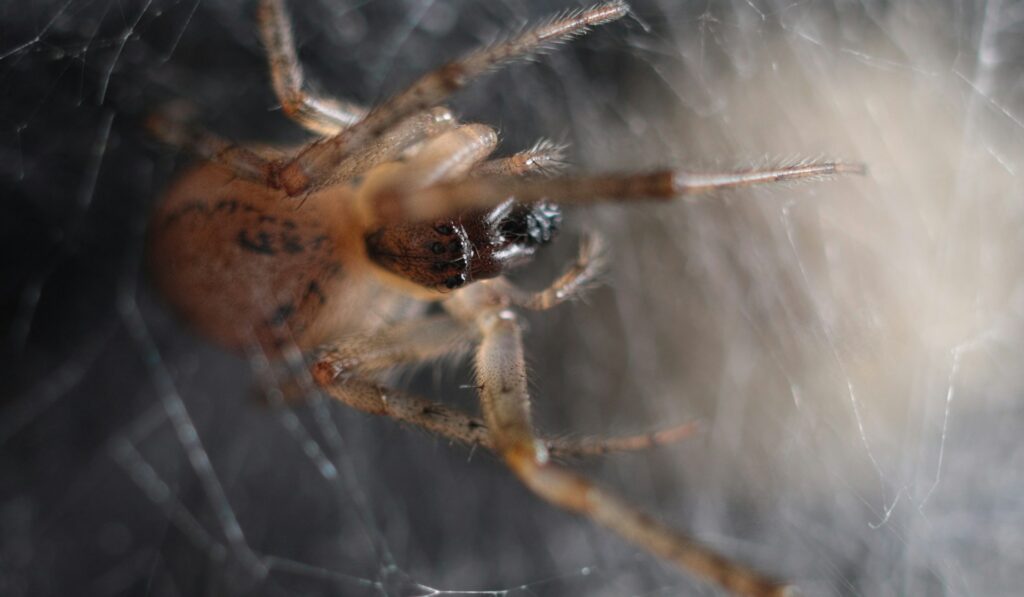
If your house is infested with spiders, it may be because they are attracted to warm, dark, and cluttered areas. Common indoor spider species like Cellar, House, Jumping, and Wolf Spiders find refuge in hidden spots like corners and crevices. Outdoor spaces like sheds and woodpiles can also harbor spiders. Effective prevention methods include sealing entry points, decluttering, and regular cleaning routines. Natural repellents such as peppermint oil and vinegar can help deter spiders. Recognize signs like spider webs, egg sacs, live spiders, or unexplained bites to address promptly. Consider DIY techniques or professional pest control if infestation persists.
Genuine Pest Control is your professional provider of exterminating services. Call us today at (402) 300-8168 for reliable and affordable pest management.
Key Takeaways
- Clutter and darkness attract spiders.
- Cracks and crevices provide entry points.
- Lack of regular cleaning creates hiding spots.
- Outdoor clutter encourages spider migration.
- Moisture issues attract spiders indoors.
Common Spider Attractants
Spiders are often attracted to certain environmental conditions and habits that humans unknowingly provide. Understanding spider behavior can help in preventing infestations. Spiders are drawn to warm, dark, and cluttered spaces, making homes with these conditions more inviting. To deter spiders naturally, consider using natural remedies like peppermint oil, vinegar, or citrus peels, as they are known to repel spiders without harming them.
Keeping a clean and organized home is essential in reducing spider attractants. Regularly vacuuming, dusting, and decluttering can eliminate hiding spots and webs. Sealing cracks and crevices in walls, windows, and doors can prevent spiders from entering the house. Outdoor lighting attracts insects, which in turn attracts spiders; using yellow or sodium vapor lights can reduce this attraction.
Indoor Spider Species
Homes may unknowingly harbor various species of spiders that adapt well to indoor environments. Understanding indoor spider species is essential for effective pest management. Identifying these spiders can help homeowners take appropriate measures to control infestations. Here are some common indoor spider species along with their behaviors and identification features:
- Cellar Spiders
- *Behavior*: Known for their long, delicate legs and tendency to build tangled webs in corners.
- *Identification*: Pale yellow or light brown bodies with small abdomens.
- House Spiders
- *Behavior*: Typically found in secluded areas like closets and attics, building messy cobwebs.
- *Identification*: Light brown or tan bodies with dark stripes on their legs.
- Jumping Spiders
- *Behavior*: Active hunters that pounce on prey, known for their unique jumping abilities.
- *Identification*: Compact bodies with stocky legs and often colorful markings.
- Wolf Spiders
- *Behavior*: Ground-dwelling hunters that do not build webs, instead actively chasing down prey.
- *Identification*: Stout bodies with dark markings and excellent eyesight.
Outdoor Spider Hotspots
Within residential areas, outdoor spaces serve as prime habitats for various spider species to thrive. To prevent outdoor spider infestations, it is essential to implement effective prevention tips and outdoor solutions.
To deter spiders from making themselves at home in outdoor areas, keep the surroundings clean and clutter-free. Regularly remove debris, woodpiles, and overgrown vegetation, as these provide ideal hiding spots for spiders. Additionally, sealing cracks and crevices around the exterior of the house can help prevent spiders from entering the home.
Outdoor lighting can also attract insects, which in turn, attract spiders. Consider using yellow or sodium vapor lights that are less attractive to insects. Moreover, using natural spider repellents like peppermint oil or vinegar can help keep spiders at bay.
Ideal Spider Habitats
When it comes to the ideal habitats for spiders, they are often found nesting in secluded areas such as attics, basements, and crawl spaces. These arachnids are drawn to dark, damp environments where they can thrive and build their webs undisturbed. Understanding these preferred nesting sites can help homeowners take preventive measures to minimize spider infestations in their living spaces.
Spider Nesting Sites
Amidst the various potential habitats that spiders find suitable for nesting, certain environments stand out as particularly inviting to these arachnids. When it comes to spider nesting sites, several key factors make a location attractive for these eight-legged creatures:
- Spider Webbing Patterns: Spiders tend to favor areas where they can easily spin their intricate webs. Corners, ceiling junctions, and window sills are common spots where spiders weave their webs.
- Nest Removal Techniques: To deter spiders from nesting in your home, regular cleaning and decluttering are essential. Removing spider webs and egg sacs can help prevent infestations.
- Outdoor Shelters: Spiders often seek refuge in outdoor structures like sheds, woodpiles, and garden debris. Keeping these areas tidy can discourage spiders from making themselves at home.
- Moisture-Rich Environments: Spiders are drawn to damp spaces such as basements, crawl spaces, and areas with plumbing leaks. Addressing moisture issues can reduce the likelihood of spiders nesting in these areas.
Understanding these ideal spider habitats can help you take proactive measures to prevent spider infestations in your home.
Dark and Damp
Spiders are known for their ability to thrive in environments that offer them the ideal conditions for nesting and survival. One of the key factors that attract spiders to homes is the presence of dark and damp areas. These conditions provide the perfect habitat for spiders to build their webs and hunt for prey.
Spider behavior is heavily influenced by environmental factors, with many species preferring dark and damp locations for shelter and reproduction. Dark corners, basements, crawl spaces, and areas with high humidity levels are particularly attractive to spiders seeking to establish their homes. These areas not only provide protection from predators but also offer a steady supply of insects for food.
To prevent spiders from infesting your home, it is essential to address these ideal habitats by reducing moisture levels, improving ventilation, and keeping indoor spaces well-lit. By eliminating dark and damp areas, you can make your home less appealing to spiders and help deter infestations.
Effective Spider Prevention Methods
To prevent spiders from infesting your home, it is essential to seal off any entry points such as cracks and crevices. Additionally, keeping your living spaces free of clutter will eliminate hiding spots for these pests. Establishing a regular cleaning routine, including vacuuming and dusting, can help deter spiders from making themselves at home.
Seal Entry Points
As a proactive step to deter spiders from entering your home, sealing entry points is an effective method of spider prevention. Conducting an exterior inspection of your house to identify potential entry points and then sealing them off can significantly reduce the chances of spiders finding their way inside. Here are some simple steps to help you seal entry points effectively:
- Inspect Doors and Windows: Check for gaps around doors and windows where spiders can enter. Use weather stripping to close any openings.
- Seal Cracks and Crevices: Fill in any cracks or crevices in walls, floors, and foundations where spiders might sneak in.
- Repair Damaged Screens: Ensure that window and door screens are intact and without tears to keep spiders out.
- Use Caulk: Apply caulk to seal gaps around pipes, cables, and wires entering your home to prevent spider access.
Remove Clutter
One of the fundamental methods for preventing spiders from taking up residence in your home is by removing clutter. Spiders are attracted to areas with lots of hiding spots and piles of items where they can build their webs undisturbed. By decluttering your space and organizing your belongings, you can significantly reduce the chances of spiders making themselves at home.
To effectively remove clutter, consider the following tips:
| Declutter Space | Organize Belongings |
|---|---|
| Clear out unused items | Store items in sealed containers |
| Keep floors and surfaces clear | Use shelves and hooks to hang belongings |
| Regularly clean and tidy up | Rotate seasonal items for easy access |
| Minimize paper piles and cardboard boxes | Donate or discard items you no longer need |
Regular Cleaning Routine
Implementing a regular cleaning routine is a key strategy in effectively preventing spiders from infesting your living space. By following some simple cleaning tips and preventive measures, you can create an environment that is less welcoming to these eight-legged intruders.
- Vacuum regularly: Make sure to vacuum floors, carpets, and corners to remove spider webs, eggs, and prey that may attract spiders.
- Dust frequently: Dusting surfaces like shelves, window sills, and ceilings helps eliminate spider webs and their hiding spots.
- Declutter: Keep your living space clutter-free to reduce hiding spots for spiders and their prey.
- Seal cracks and crevices: Use caulk to seal any gaps or openings in walls, windows, and doors to prevent spiders from entering your home.
Natural Spider Repellents
To deter spiders from taking up residence in your home, natural spider repellents can be an effective and environmentally friendly solution. Essential oils and vinegar spray are two common natural remedies that can help keep spiders at bay. Essential oils like peppermint, tea tree, and lavender are known for their strong scents that spiders dislike. Vinegar spray, made by mixing equal parts of water and vinegar in a spray bottle, can also act as a deterrent.
| Natural Spider Repellents |
|---|
| Essential Oils |
| – Peppermint |
| – Tea Tree |
| – Lavender |
| Vinegar Spray |
| – Equal parts water and vinegar mixture in a spray bottle |
| – Spray around windows, doors, and other entry points |
Signs of a Spider Infestation
If you notice an increase in cobwebs, egg sacs, or live spiders in your home, these could be signs of a spider infestation. When dealing with spiders, recognizing the indicators early on is crucial to address the issue promptly. Here are some common signs to look out for:
- Abundance of Spider Webs: Finding numerous spider webs around your house, especially in corners, ceilings, or hidden areas, suggests a spider population residing within your home.
- Presence of Egg Sacs: Discovering clusters of small, round egg sacs in various locations indicates that spiders are reproducing and establishing their presence.
- Seeing Live Spiders: Encountering spiders frequently, especially different species, in different areas of your home signifies an active spider infestation.
- Noticing Spider Bites: Unexplained spider bites on occupants, often appearing as red, itchy bumps, could indicate a higher spider population in your living space.
DIY Spider Control Techniques
Regular maintenance and simple preventive measures can effectively help in managing and reducing spider populations within your home. DIY spider traps and spider proofing techniques can be useful in controlling these arachnids.
Here are some simple DIY spider control techniques to implement in your home:
| DIY Spider Traps | Spider Proofing Techniques | Benefits |
|---|---|---|
| Place sticky traps along walls and corners | Seal cracks and crevices with caulk | Captures spiders without harming them |
| Create a vinegar and water spray to repel spiders | Use door sweeps to block entry points | Natural and non-toxic methods |
| Place citrus peels in strategic locations | Keep a tidy and clutter-free environment | Repels spiders due to the strong scent |
When to Call a Professional
With a house infested with spiders, there comes a point where DIY methods may not suffice, signaling the need to seek professional pest control services. When facing a spider infestation, it is essential to recognize when it's time to call in the experts for effective solutions. Here are some signs that indicate the need for professional pest control:
- Persistent Infestation: If despite your efforts, the spider population continues to grow unabated, it may be time to bring in professional pest control services.
- Health Risks: Certain spider species can pose health risks through their venomous bites. Professional pest control can help eliminate these risks.
- Property Damage: Spiders can cause structural damage to your home over time. Professional pest control can prevent this damage from escalating.
- Recurring Infestation: If spiders keep coming back even after DIY treatments, it's a sign that the infestation is beyond your control.
Knowing when to call a professional pest control service can help address infestation risks effectively and protect your home from further damage.
Frequently Asked Questions
Can Spiders in the House Harm My Pets?
Pet safety is essential. Spiders in the house can pose a threat to pets. Controlling infestations through regular cleaning, sealing entry points, and reducing clutter is vital for ensuring a safe environment for your furry companions.
Do Spider Infestations Indicate Poor Hygiene?
Spider infestations do not necessarily indicate poor hygiene. Spider behavior can be influenced by various environmental factors, such as weather conditions or proximity to natural habitats. Maintaining cleanliness can help deter pests but isn't always the sole cause.
Can Spiders Cause Structural Damage to My Home?
Spiders, if left unchecked, can pose a property damage risk by potentially causing structural harm. Their infestation consequences may include weakening foundations, chewed wiring, and compromised insulation. Regular inspection and control measures are essential for prevention.
Are All Spider Bites Dangerous to Humans?
Spider bites vary in venom toxicity. While most bites are harmless, some species possess venom that can be dangerous to humans. Bite prevention includes keeping a clean living space, sealing entry points, and wearing protective clothing in high-risk areas.
Can a Spider Infestation Be a Sign of a Larger Pest Issue?
A spider infestation could indicate a larger pest issue, necessitating swift pest control measures. To prevent infestations, maintain cleanliness, seal entry points, and reduce clutter. Seek professional assistance for thorough assessment and effective eradication of pests.


