
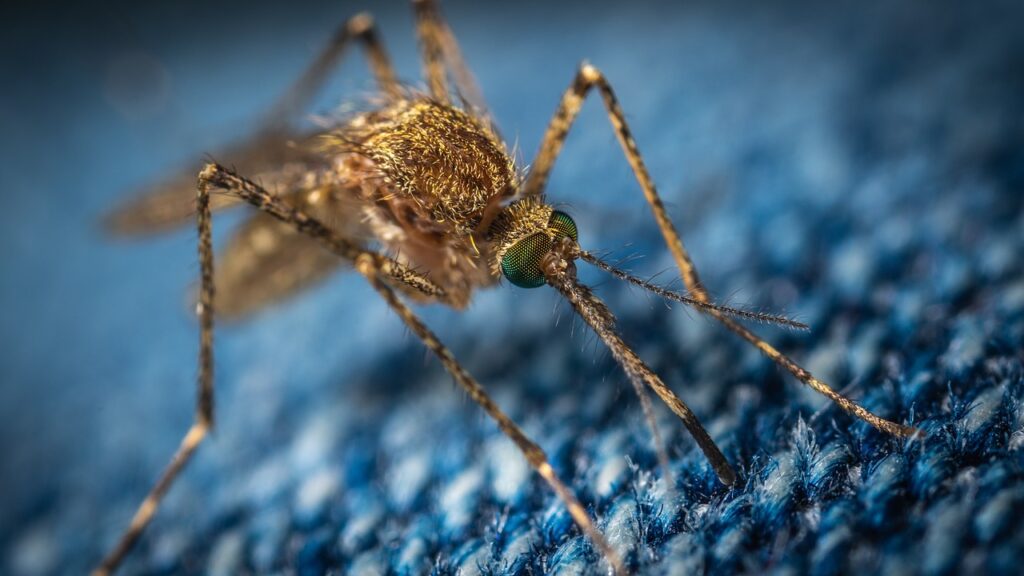
Vinegar is an effective natural mosquito repellent due to its acetic acid disrupting the insects' sensory receptors, offering an eco-friendly solution. Different vinegar types like apple cider and white vinegar are commonly used, with high acetic acid concentrations key to effectiveness. It can be combined with essential oils for enhanced repellent properties and is versatile in creating customized solutions. Vinegar's impact varies across mosquito species, being highly effective on some and less on others. For safe and cost-effective mosquito control, vinegar can be used outdoors in sprays, with essential oils, and even in traps.
Genuine Pest Control is your professional provider of exterminating services. Call us today at (402) 300-8168 for reliable and affordable pest management.
Key Takeaways
- Vinegar's acetic acid disrupts mosquitoes' olfactory receptors.
- Different vinegar types like apple cider and white vinegar are effective.
- Vinegar is a natural and eco-friendly mosquito repellent.
- Can be enhanced with essential oils for added repellent properties.
- High acetic acid concentrations are key for effectiveness.
The Science Behind Vinegar Repelling Mosquitoes
Vinegar's ability to repel mosquitoes is supported by scientific evidence that highlights its effectiveness as a natural insect repellent. The chemistry of vinegar plays a pivotal role in its mosquito-repelling properties. Vinegar contains acetic acid, which gives it a strong odor that interferes with the mosquito's olfactory receptors, making it difficult for them to locate their human hosts. This disruption in the mosquito's ability to sense CO2, body odors, and sweat, which are all attractants for them, helps in keeping them at bay.
Understanding mosquito biology further reinforces the efficacy of vinegar as a repellent. Mosquitoes are attracted to the carbon dioxide we exhale, as well as certain chemicals found in our sweat. By masking these odors with the pungent scent of vinegar, it confuses the mosquitoes and deters them from landing on or biting individuals.
Types of Vinegar Used for Mosquito Control
One popular type of vinegar used for mosquito control is apple cider vinegar. It is believed to be effective due to its strong scent that mosquitoes find unpleasant. White vinegar is another commonly used type for mosquito control. Its acidic properties are thought to repel mosquitoes effectively. When considering vinegar types for mosquito control, it is important to choose ones with a high acetic acid concentration, as this is what deters mosquitoes. While various vinegar types can be used as a natural mosquito repellent, the effectiveness may vary depending on the specific type and concentration used.
When looking for DIY repellent recipes using vinegar, apple cider vinegar is often a key ingredient. Mixing apple cider vinegar with essential oils like citronella or lavender can enhance its mosquito-repelling properties. White vinegar can also be combined with ingredients like witch hazel and water to create a DIY mosquito repellent spray. Experimenting with different vinegar types and recipes can help in finding an effective solution for mosquito control.
DIY Vinegar Mosquito Repellent Recipes
Let's explore the effectiveness of vinegar as a natural mosquito repellent, the benefits it offers compared to chemical repellents, and how to make your own DIY vinegar mosquito repellent at home. This discussion will shed light on the potential of vinegar as a safe and eco-friendly alternative for keeping mosquitoes at bay, the advantages it brings regarding health and environmental impact, and the simple steps to create your own repellent solution. By understanding these key points, you can harness the power of vinegar in repelling mosquitoes effectively while avoiding the harmful effects of traditional repellents.
Vinegar Mosquito Repellent Effectiveness
When considering effective mosquito repellents, it is crucial to recognize that
Effective mosquito repellents are essential in protecting oneself from these pesky insects, especially during the warmer months. Vinegar, when used as a natural mosquito repellent, can be an effective alternative to chemical-based products. To create a vinegar mosquito repellent, mix equal parts of water and vinegar in a spray bottle and apply it to exposed skin or clothing. The strong smell of vinegar is known to deter mosquitoes, reducing the chances of getting bitten. However, bear in mind that the effectiveness of vinegar as a repellent may vary depending on the concentration of vinegar used, the individual's body chemistry, and the mosquito species present in the area.
The duration of protection provided by vinegar repellents can also vary. Some individuals find that reapplication every hour is necessary to maintain its effectiveness, while others may find that it lasts for a few hours. To enhance the repellent properties, adding essential oils like citronella or lavender to the vinegar mixture can help increase its effectiveness and provide a more pleasant scent.
Benefits of Vinegar Repellent
Harnessing the natural repellent properties of vinegar can offer a cost-effective and environmentally friendly solution to ward off mosquitoes. Vinegar benefits include being a safe alternative to chemical repellents, making it suitable for those seeking natural options. Its repellent effectiveness has been observed in deterring mosquitoes due to its strong scent that disrupts their ability to locate hosts. Some benefits of using vinegar as a repellent include:
- Natural and Safe: Vinegar is non-toxic and safe for humans and pets, making it a family-friendly option.
- Cost-Effective: Vinegar is a readily available and affordable ingredient that can be used in various DIY repellent recipes.
- Environmentally Friendly: Vinegar is biodegradable and does not harm the environment when used as a repellent.
- Versatile: Vinegar can be combined with other natural ingredients to create customized repellent solutions for different preferences.
- Easy to Use: DIY vinegar repellents are simple to make and can be applied easily, providing a convenient way to keep mosquitoes at bay.
How to Make Repellent
To create effective protection against mosquitoes using natural ingredients, DIY vinegar mosquito repellent recipes offer a practical and eco-friendly solution. By combining vinegar with essential oils, you can create a potent repellent that keeps mosquitoes at bay. Essential oils like citronella, lavender, eucalyptus, and tea tree not only enhance the fragrance but also possess natural mosquito-repelling properties. One simple recipe involves mixing equal parts of water and vinegar in a spray bottle, along with a few drops of your chosen essential oil. Shake well before use and apply it to your skin and clothing before heading outdoors. The acidic nature of vinegar, combined with the aromatic essential oils, creates a barrier that mosquitoes find unpleasant, effectively deterring them from landing on you. Embracing these natural solutions not only helps protect you from mosquito bites but also reduces the need for chemical-laden commercial repellents, making it a safe and sustainable choice for both you and the environment.
Effectiveness of Vinegar on Different Mosquito Species
A study investigating the effectiveness of vinegar as a natural mosquito repellent across various species has yielded interesting results. When examining its impact on different mosquito species, the efficacy of vinegar varied significantly:
- Aedes aegypti: Vinegar showed moderate effectiveness in repelling this common mosquito species.
- Anopheles gambiae: Vinegar was found to be highly effective in deterring this malaria-carrying mosquito.
- Culex pipiens: The effectiveness of vinegar on this species was minimal, with limited repellent properties.
- Aedes albopictus: Vinegar exhibited strong repellent effects against this species, known for spreading diseases like dengue fever.
- Anopheles stephensi: Vinegar had a varying impact on this mosquito species, with some individuals being repelled while others were less affected.
These findings indicate that while vinegar can serve as a natural repellent for certain mosquito species, its efficacy may vary significantly across different types. Further research is necessary to explore the specific mechanisms behind vinegar's repellent properties on various mosquitoes.
Vinegar Vs. Commercial Mosquito Repellents
Comparing the efficacy of vinegar to commercial mosquito repellents reveals important insights into their respective abilities to deter these disease-carrying insects. While vinegar has natural properties that may act as a mild repellent, commercial mosquito repellents often contain specific active ingredients designed to effectively ward off mosquitoes.
Vinegar benefits lie in its natural properties, which some believe can help repel mosquitoes to a certain extent. It is often touted as a more natural and environmentally friendly alternative to chemical-based repellents. However, commercial mosquito repellents undergo rigorous testing and are formulated with ingredients like DEET, picaridin, or oil of lemon eucalyptus that have been proven to be highly effective in repelling mosquitoes.
When it comes to a commercial comparison, these products are specifically engineered to provide long-lasting protection against mosquito bites, making them a popular choice for many individuals seeking robust mosquito protection. While vinegar may offer some benefits, commercial repellents are generally considered more reliable and potent in repelling mosquitoes effectively.
How to Use Vinegar to Protect Your Home
When considering ways to protect your home from mosquitoes, using vinegar can be a simple and effective solution. Vinegar, a common household item, can be utilized in various forms to help keep mosquitoes at bay. Here are some practical ways to use vinegar for mosquito control:
- Vinegar candles: Create your own natural mosquito repellent candles by mixing vinegar with essential oils like citronella or lavender. Burn these candles outdoors to deter mosquitoes.
- Vinegar diffusers: Fill a diffuser with vinegar and a few drops of essential oils known for mosquito repellent properties. This can help spread the scent throughout your home, keeping mosquitoes away.
- Vinegar spray: Mix vinegar with water in a spray bottle and mist it around doorways, windows, and other entry points to your home to create a barrier against mosquitoes.
- Vinegar-soaked cotton balls: Place vinegar-soaked cotton balls in areas where mosquitoes tend to gather, such as near standing water or in dark corners of your home.
- Vinegar wipes: Use vinegar-soaked wipes to clean surfaces around your home, as the scent can act as a natural mosquito repellent.
Vinegar as a Safe Alternative for Children
Vinegar emerges as a gentle and effective alternative for safeguarding children against mosquitoes. When considering child-friendly alternatives to chemical repellents, vinegar stands out as a safe option. Its mild acidic properties make it an excellent choice for keeping mosquitoes at bay without exposing children to harmful substances. Safety precautions should be taken into account when using vinegar on children. It is recommended to dilute vinegar with water to reduce its strength and potential irritation on sensitive skin. Additionally, it is advisable to perform a patch test on a small area of the skin before applying vinegar more broadly. While vinegar is generally safe for children, it is important to supervise its application to prevent accidental ingestion or contact with eyes. By following these safety measures, vinegar can be a practical and natural way to protect children from mosquito bites without the risks associated with chemical products.
Tips for Using Vinegar Outdoors
When it comes to using vinegar outdoors to repel mosquitoes, there are a few key points to keep in mind. Understanding the relationship between vinegar and mosquitoes, creating effective vinegar repellent recipes, and knowing how to properly apply vinegar outdoors can all contribute to a successful mosquito-free experience. By incorporating these tips into your outdoor routine, you can harness the power of vinegar as a natural mosquito repellent.
Vinegar and Mosquitoes
Utilizing vinegar as a natural repellent against mosquitoes is a practical and eco-friendly approach to warding off these pesky insects in outdoor settings. Vinegar offers numerous benefits for mosquito control, making it a popular choice for those looking for a chemical-free solution. Here are some tips for using vinegar outdoors:
- Create a vinegar spray by mixing equal parts water and vinegar in a spray bottle. This can be sprayed on exposed skin or outdoor furniture to repel mosquitoes.
- Add a few drops of essential oils like lavender or eucalyptus to vinegar for a pleasant scent while enhancing its mosquito-repelling properties.
- Place bowls of vinegar near outdoor gathering areas to deter mosquitoes from lingering in the vicinity.
- Use vinegar to clean outdoor surfaces like patios and decks, as the scent can help keep mosquitoes away.
- Mix vinegar with water and a little dish soap to create a mosquito trap. The scent attracts mosquitoes, while the dish soap breaks the surface tension, causing them to drown.
Vinegar Repellent Recipes
To enhance the effectiveness of vinegar in repelling mosquitoes, incorporating vinegar repellent recipes can offer a diverse and practical approach to outdoor mosquito control. Vinegar benefits as a natural mosquito repellent include its ability to mask scents that attract mosquitoes and its non-toxic nature, making it safe for both humans and pets. When using vinegar outdoors, it is essential to prioritize safety by ensuring proper dilution and avoiding direct contact with eyes or open wounds.
Below is a simple vinegar repellent recipe that you can easily make at home:
| Ingredients | Amount | Instructions |
|---|---|---|
| Vinegar | 1 cup | Mix with water |
| Lemon Juice | 2 tablespoons | Add to vinegar and water |
| Lavender Essential Oil | 10 drops | Mix well and pour into a spray bottle |
This repellent not only harnesses the benefits of vinegar but also utilizes the pleasant fragrance of lavender and lemon, creating a natural and safe barrier against mosquitoes.
Applying Vinegar Outdoors
Incorporating vinegar into your outdoor routine can greatly aid in mosquito control and create a more pleasant outdoor environment. Using vinegar outdoors offers several benefits for keeping mosquitoes at bay and enhancing your outdoor experience. Here are some tips for applying vinegar effectively:
- Create a Vinegar Spray: Mix vinegar with water in a spray bottle and apply it to areas where mosquitoes are prevalent.
- Use Vinegar in Outdoor Plants: Add vinegar to water and use it to water your outdoor plants to deter mosquitoes.
- Apply Vinegar to Skin: Dilute vinegar with water and apply it to your skin as a natural mosquito repellent.
- Keep a Vinegar Bowl: Place bowls of vinegar around outdoor seating areas to repel mosquitoes.
- Use Vinegar in Outdoor Cleaning: Clean outdoor furniture and surfaces with a vinegar solution to deter mosquitoes and create a pleasant environment.
Vinegar's Impact on Mosquito Behavior
Vinegar has been known to have a significant impact on mosquito behavior, particularly in deterring these pesky insects from areas where it is applied. The effectiveness of vinegar in repelling mosquitoes is attributed to its strong scent and acidic nature. When vinegar is used outdoors, it can disrupt the mosquitoes' ability to locate their targets through carbon dioxide and other cues they use to find hosts.
The concentration of vinegar used can influence its effectiveness in deterring mosquitoes. Higher concentrations of vinegar may have a more potent effect on mosquito behavior compared to lower concentrations. However, it is essential to be cautious with higher concentrations as they may also have a stronger scent that could be unpleasant for humans.
Mythbusting: Common Misconceptions About Vinegar and Mosquitoes
When it comes to vinegar as a mosquito repellent or trap, there are common misconceptions that need clarifying. One such myth is the effectiveness of using vinegar directly on the skin to repel mosquitoes. Additionally, there is a misconception surrounding the idea that placing vinegar traps around outdoor areas can eliminate mosquito populations completely.
Vinegar Mosquito Repellent
Have you ever wondered if vinegar truly works as a mosquito repellent? Vinegar is often touted for its various benefits, including its potential as a natural repellent for mosquitoes. However, when it comes to using vinegar to keep mosquitoes away, there are some common misconceptions that need to be addressed. Here are a few key points to take into account:
- Vinegar can act as a temporary mosquito deterrent due to its strong odor, but its effectiveness may vary.
- While vinegar may help mask human odors that attract mosquitoes, it is not a foolproof repellent on its own.
- Mixing vinegar with essential oils like citronella or lavender can enhance its repellent properties.
- Using vinegar as a spray in outdoor areas may provide some short-term relief from mosquitoes.
- It's important to remember that relying solely on vinegar as a mosquito repellent may not offer complete protection, and other proven methods should be contemplated for long-lasting control.
Vinegar Trap Effectiveness
Numerous myths surround the use of vinegar traps to combat mosquitoes, leading many to believe they are a foolproof solution. While vinegar traps may seem like an easy and natural way to control mosquito populations, their effectiveness can vary based on mosquito behavior and other factors. Mosquitoes are attracted to the smell of vinegar, but whether a vinegar trap will effectively reduce the mosquito population in a specific area depends on various factors.
| Vinegar Trap Results | Mosquito Behavior |
|---|---|
| May capture some mosquitoes | Mosquitoes may adapt and avoid traps |
| Effectiveness varies based on mosquito species | Mosquitoes can breed rapidly |
Using a vinegar spray directly on skin or surfaces to repel mosquitoes is another common belief. However, vinegar sprays have limited effectiveness in preventing mosquito bites compared to other proven repellents. Understanding the limitations of vinegar traps and sprays is essential for effectively managing mosquito populations and protecting against mosquito bites.
Frequently Asked Questions
Can Vinegar Be Used to Repel Other Insects Besides Mosquitoes?
Vinegar can effectively repel various insects like fruit flies, ants, flies, and gnats. Its strong smell and acidic properties disrupt their senses, making them avoid areas treated with vinegar. Diluted vinegar solutions can be a natural and eco-friendly pest control method.
Is Vinegar Safe to Use Around Pets?
When considering pet safety, vinegar can be a versatile household tool. Diluted vinegar can be safe for pets when used in cleaning solutions, but direct ingestion can be harmful. Always consult with a veterinarian for specific guidance.
Can Vinegar Be Used on Clothing as a Mosquito Repellent?
When applied to clothing, vinegar can be an effective mosquito repellent due to its scent. However, its effectiveness may vary, and the durability of the vinegar scent on clothing is a consideration for long-term use.
Does the Type of Vinegar Affect Its Effectiveness Against Mosquitoes?
The type of vinegar can sway its mosquito-banishing prowess. While apple cider vinegar is popular, white vinegar might also hold power. The effectiveness hinges on concentration and application, making precision vital in the battle against pesky biters.
Will Vinegar Attract More Pests if Used Outdoors?
When considering outdoor applications, it is important to be mindful of using vinegar alternatives to deter pests effectively. In some cases, vinegar may attract more pests instead of repelling them, potentially leading to unwanted consequences.


