
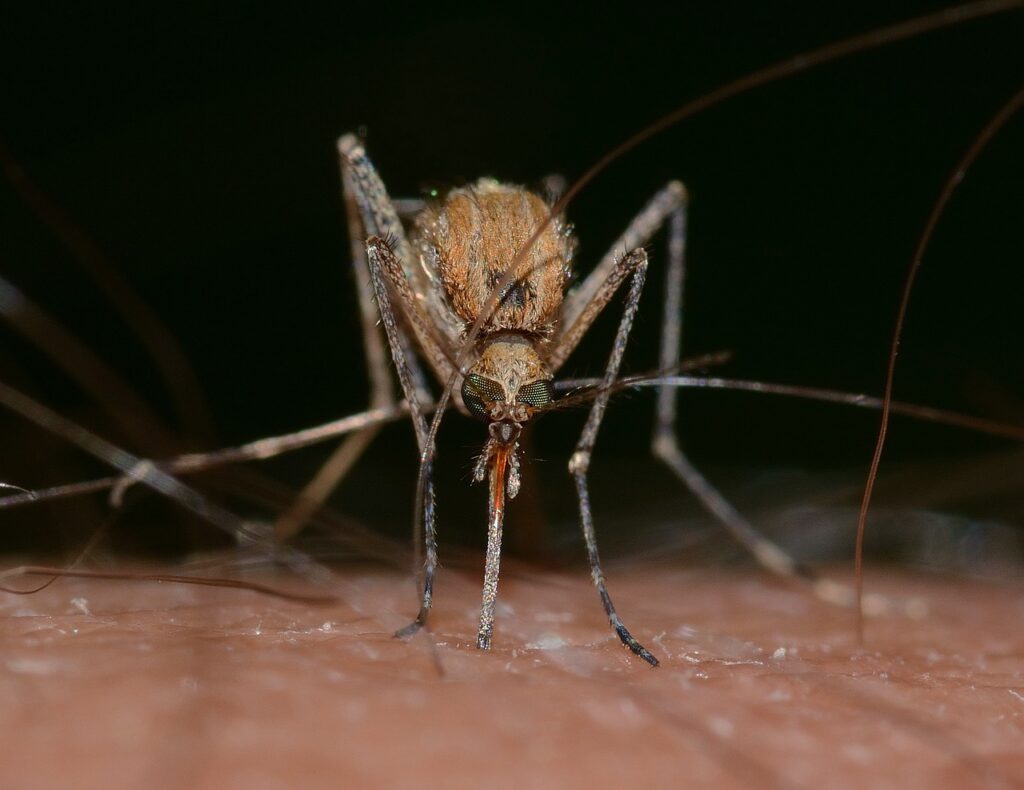
There are several effective methods to repel mosquitoes. Traditional options like DEET have been proven to be effective in warding off these pests. Natural alternatives, such as essential oils like citronella, lavender, and eucalyptus, offer organic solutions. Lemon eucalyptus oil, a natural substance, shows promise similar to DEET. Additionally, plant-based repellents like citronella are eco-friendly alternatives with varying efficacy levels. While ultrasonic devices have limited effectiveness, clothing treated with insect-repellent sprays and using mosquito nets can provide added protection. For more details on these repellent methods and their effectiveness, explore further into the various options available.
Genuine Pest Control is your professional provider of exterminating services. Call us today at (402) 300-8168 for reliable and affordable pest management.
Key Takeaways
- DEET, picaridin, and lemon eucalyptus oil are effective mosquito repellents.
- Citronella candles and essential oils offer some protection but may vary in effectiveness.
- Clothing treated with permethrin, mosquito nets, and ultrasonic devices can enhance protection.
- Plant-based repellents like citronella and lavender oils provide eco-friendly alternatives.
- DIY and herbal repellents like vinegar, garlic, and citrus offer temporary solutions with mixed results.
The Science Behind Mosquito Repellents
When it comes to understanding the effectiveness of mosquito repellents, it is important to explore the science behind these products. Mosquitoes are attracted to humans by the carbon dioxide in our breath, body heat, and certain chemicals found in sweat. Repellents work by interfering with the mosquito's ability to detect these cues, making the wearer less appealing to these pesky insects.
The chemical composition of mosquito repellents plays a pivotal role in their effectiveness. Ingredients such as DEET, picaridin, and oil of lemon eucalyptus are commonly used to ward off mosquitoes. These chemicals disrupt the mosquito's sense of smell, making it harder for them to locate potential hosts. Additionally, some repellents create a barrier on the skin that confuses mosquitoes, deterring them from landing and biting.
Understanding mosquito behavior and the chemical composition of repellents is essential to choosing the right product for protection. By selecting repellents that target the sensory mechanisms of mosquitoes, individuals can reduce their chances of getting bitten and potentially contracting mosquito-borne diseases.
Citronella Candles: Do They Repel Mosquitoes?
Curious about whether citronella candles truly repel mosquitoes? Citronella is a commonly used natural repellent, but its effectiveness has been a topic of debate. Several studies have investigated the efficacy of citronella candles in repelling mosquitoes. While some studies suggest that citronella can help deter mosquitoes to some extent, others show limited effectiveness.
Here is a breakdown of the effectiveness and limitations of citronella candles in repelling mosquitoes:
| Citronella Effectiveness | Limitations |
|---|---|
| Some studies suggest that citronella can help deter mosquitoes | Citronella may not be as effective in areas with high mosquito populations |
| Citronella has a pleasant aroma, making it a popular choice for outdoor use | The efficacy of citronella can vary based on factors like wind and humidity |
While citronella candles can provide some level of protection against mosquitoes, they may not offer complete prevention. Using citronella candles in conjunction with other mosquito control methods is crucial for better results.
Effectiveness of DEET in Repelling Mosquitoes
When it comes to repelling mosquitoes, DEET is a well-known and widely used ingredient in insect repellents. Its effectiveness in keeping mosquitoes away and the duration of protection it offers are important factors to take into account. Understanding DEET's mosquito repellent efficacy and how long it can provide protection is essential for individuals seeking reliable ways to fend off these pesky insects.
DEET's Mosquito Repellent Efficacy
Among the various mosquito repellents available in the market, DEET, also known as N,N-Diethyl-meta-toluamide, stands out as one of the most widely used and effective options. DEET has been extensively studied for its efficacy in repelling mosquitoes. It is known for providing long-lasting protection against a variety of mosquito species, making it a popular choice for individuals seeking reliable mosquito repellents.
| DEET's Advantages | DEET's Considerations |
|---|---|
| Effective against various mosquito species | Should be used in moderation |
| Long-lasting protection | Potential skin irritation |
| Widely available | Not recommended for infants under 2 months |
| Proven track record | Some concerns regarding environmental impact |
While DEET is highly effective, some individuals may seek alternatives due to concerns about its safety or the desire to explore more natural options such as citronella or essential oils. It is essential to weigh the benefits and considerations of DEET before choosing a mosquito repellent that best suits individual needs and preferences.
Duration of DEET Protection
DEET, a widely recognized mosquito repellent, is known for its efficacy in providing protection against mosquito bites. When considering the duration of DEET protection, it is vital to understand that the effectiveness of this repellent can vary based on several factors. The deet duration of protection generally ranges from 2 to 8 hours, depending on the concentration of DEET in the product used. Repellent longevity is influenced by factors such as sweating, swimming, and rubbing, which can decrease the duration of protection. It is important to follow the instructions on the product label and reapply as needed to maintain effectiveness. Despite the variations in deet effectiveness duration, DEET remains one of the most reliable options for repelling mosquitoes. By being mindful of the repellent's longevity and reapplying when necessary, individuals can effectively protect themselves against mosquito bites and the potential diseases they may carry.
Essential Oils as Natural Mosquito Repellents
Lavender, citronella, and eucalyptus are just a few examples of essential oils that have gained popularity as natural mosquito repellents. Apart from their pleasant scents, these oils offer aromatherapy benefits and are considered organic alternatives to chemical-based repellents. Many people prefer using essential oils due to their natural origins and potential health benefits. While research on the effectiveness of essential oils as mosquito repellents is ongoing, some studies suggest that certain oils can help deter mosquitoes.
Essential oils can be applied directly to the skin or used in diffusers to create a mosquito-repelling aroma in living spaces. Citronella oil, in particular, is commonly used in candles and sprays for outdoor settings. It is important to note that essential oils may need to be reapplied more frequently compared to traditional repellents like DEET. For those looking for natural solutions, essential oils can be a viable option in the ongoing battle against mosquitoes.
Are Ultrasonic Repellents Effective Against Mosquitoes?
When it comes to repelling mosquitoes, ultrasonic repellents have gained attention for their purported effectiveness. However, the question remains: do these devices actually work in keeping mosquitoes at bay? In this discussion, we will explore the effectiveness of ultrasonic repellents in deterring mosquitoes.
Ultrasonic Repellents: Do They Work?
Many consumers seek alternative methods to repel mosquitoes, with ultrasonic repellents being a popular choice. Ultrasonic devices emit high-frequency sound waves that are designed to deter mosquitoes by disrupting their behavior. The theory behind ultrasonic technology is that these high-frequency sounds mimic the wingbeat frequency of male mosquitoes, which in turn repels female mosquitoes to avoid mating. However, research on the effectiveness of ultrasonic repellents in deterring mosquitoes has shown mixed results. While some studies suggest that mosquitoes may initially be repelled by ultrasonic devices, others indicate that mosquitoes quickly adapt to the sound and return to their normal behavior. Insect response to ultrasonic repellents may vary based on factors such as species, environmental conditions, and proximity to the device. In this regard, while ultrasonic repellents may show some promise in repelling mosquitoes, further research is needed to determine their long-term effectiveness in mosquito control.
Effectiveness of Ultrasonics
A growing number of individuals are turning to ultrasonic repellents as a potential solution for warding off mosquitoes. Ultrasonic technology emits high-frequency sound waves that are meant to repel mosquitoes by disrupting their sensory receptors. However, the effectiveness of ultrasonic devices in deterring mosquitoes is a topic of debate among researchers.
| Pros | Cons | Research Findings |
|---|---|---|
| Non-toxic | Limited range of | Some studies suggest |
| effectiveness | ultrasonic repellents | |
| may have a minor impact | ||
| on mosquito behavior. | ||
| Easy to use | Not proven to be | Other research indicates |
| effective in all | that ultrasonic devices | |
| situations | have little to no effect | |
| on repelling mosquitoes. |
While ultrasonic devices offer a non-toxic and user-friendly approach to mosquito control, research findings on their effectiveness vary. Some studies show minimal impact on mosquito behavior, while others suggest these devices may not notably repel mosquitoes.
Clothing and Mosquito Repellent Treatments
Clothing plays a crucial role in protecting individuals from mosquito bites. One effective method is treating clothing with permethrin, a type of insect repellent. Permethrin clothing provides long-lasting protection by repelling and killing mosquitoes on contact. It is a popular choice for those spending time outdoors in mosquito-prone areas. Additionally, there are various mosquito repellent alternatives for clothing, such as insect-repellent sprays or lotions designed to be applied directly to clothes. These repellent treatments can enhance the protective barrier against mosquito bites.
When choosing clothing options to prevent mosquito bites, it is imperative to select garments that cover the skin adequately. Long sleeves, pants, and high necklines can minimize exposed skin, reducing the risk of being bitten. Light-colored clothing is also recommended as mosquitoes are attracted to dark colors. By combining appropriate clothing choices with repellent treatments like permethrin clothing or spray-on repellents, individuals can effectively shield themselves from pesky mosquito bites.
Mosquito Nets: A Reliable Barrier Against Mosquitoes
An important tool in the fight against mosquitoes, mosquito nets serve as a reliable barrier that effectively blocks these annoying insects from reaching individuals while they sleep or rest. Mosquito netting offers various advantages, such as providing protection against mosquito bites, decreasing the risk of mosquito-borne diseases like malaria and dengue fever, and enhancing sleep quality by creating a peaceful and insect-free sleeping environment. Proper installation of mosquito nets is vital to guarantee their effectiveness. It is recommended to securely hang the net over beds or sleeping areas, making sure there are no openings for mosquitoes to enter. Here is a simple table outlining the benefits and installation tips for mosquito nets:
| Netting Advantages | Netting Installation |
|---|---|
| Shields against mosquito bites | Hang securely over beds |
| Lowers risk of mosquito-borne diseases | Ensure no openings for mosquitoes |
| Enhances sleep quality | Regularly check for tears or holes |
Lemon Eucalyptus Oil: A Potential Repellent Option
Lemon eucalyptus oil emerges as a promising alternative in the realm of mosquito repellents. Combining the benefits of eucalyptus and the properties of lemon, this natural solution is gaining attention for its potential effectiveness. Eucalyptus is known for its insect-repelling qualities, while lemon adds a pleasant fragrance to the mix.
Research suggests that lemon eucalyptus oil can provide protection against mosquitoes for several hours, making it a practical choice for those seeking a more natural repellent option. Its active compound, p-menthane-3,8-diol (PMD), has been found to be as potent as DEET in repelling mosquitoes.
Apart from its repellent properties, lemon eucalyptus oil is relatively easy to find and use. It can be applied directly to the skin or combined with other oils to create a personalized repellent blend. However, it is crucial to conduct a patch test before widespread application to confirm no adverse reactions occur.
Plant-Based Repellents: Myth or Reality?
Let's explore the effectiveness of plant-based repellents in warding off mosquitoes. Are these natural ingredients truly capable of keeping the pesky insects at bay? Additionally, it's essential to take into account the environmental impact of using plant-based repellents as a safer alternative.
Plant-Based Repellent Efficacy
Plant-based repellents have gained popularity in recent years as individuals seek natural alternatives to chemical-laden products. These eco-friendly options often contain ingredients believed to be effective in repelling mosquitoes. Some common plant-based repellents include citronella, lavender, and eucalyptus oils.
| Plant-Based Repellent | Ingredient Effectiveness | Eco-Friendly? |
|---|---|---|
| Citronella | Moderate efficiency | Yes |
| Lavender | Mild efficiency | Yes |
| Eucalyptus | Strong efficiency | Yes |
While plant-based repellents can offer some protection, it is essential to note that their efficiency may vary depending on factors such as concentration, application method, and individual reactions. Additionally, natural repellents may need to be reapplied more frequently compared to chemical alternatives. When choosing a plant-based repellent, it is vital to take into account both the ingredient efficiency and eco-friendly aspects to make an informed decision on mosquito protection.
Natural Ingredients Effectiveness
When pondering the effectiveness of natural ingredients in mosquito repellents, it becomes essential to evaluate their real impact on repelling these pests. Herbal remedies and botanical extracts are often touted as effective natural alternatives to chemical repellents. Here are some key points to bear in mind regarding their efficacy:
- Proven Efficacy: Some herbal remedies, such as citronella, peppermint, and lemongrass, have shown to have repellent properties against mosquitoes.
- Botanical Extracts: Ingredients like eucalyptus oil and tea tree oil are known for their insect-repelling qualities and are commonly used in natural repellent products.
- Natural Alternatives: Many people prefer plant-based repellents due to concerns about the potential health risks associated with chemical options.
- Effectiveness Variation: While some natural ingredients may work well for certain individuals, their effectiveness can vary depending on factors like concentration and individual body chemistry.
Environmental Impact Consideration
Consideration of the environmental impact of plant-based mosquito repellents is vital in the quest for sustainable pest control solutions. When exploring eco-friendly options for repelling mosquitoes, it is important to evaluate the potential effects these repellents may have on the environment. While plant-based repellents are often touted as natural and safe alternatives to chemical insecticides, their environmental impact should not be overlooked.
Sustainable solutions for mosquito control seek to strike a balance between effectively repelling mosquitoes and minimizing harm to the environment. Plant-based repellents, such as those containing essential oils like citronella or lemongrass, are generally considered to be safer for the environment compared to synthetic chemicals. However, it is essential to assess factors such as the sourcing of ingredients, production processes, and disposal methods to determine the overall eco-friendliness of these repellents.
DIY Repellent Recipes: Do They Work?
Exploring do-it-yourself (DIY) repellent recipes is a popular approach for those seeking natural alternatives to store-bought mosquito repellents. Here is a breakdown of the effectiveness of DIY repellent recipes:
- Vinegar Repellent: Vinegar is often touted as a mosquito repellent due to its strong scent. While some people claim success with vinegar-based repellents, scientific evidence supporting its effectiveness is limited.
- Herbal Options: Essential oils like citronella, lavender, eucalyptus, and peppermint are commonly used in DIY mosquito repellents. These herbal options may offer some degree of protection, but their efficacy varies among individuals.
- DIY Citrus Repellents: Citrus peels steeped in water and mixed with essential oils are another popular DIY repellent recipe. While the citrus scent may deter mosquitoes temporarily, the effectiveness of these concoctions is generally short-lived.
- Garlic-based Repellents: Some DIY recipes include garlic as a key ingredient due to its strong odor. However, the effectiveness of garlic-based repellents in warding off mosquitoes is questionable, with mixed results reported by users.
Frequently Asked Questions
Can Eating Certain Foods Really Repel Mosquitoes?
Garlic consumption and essential oils are often suggested as natural ways to repel mosquitoes. While some studies support their effectiveness, results can vary. It's advisable to combine these methods with traditional mosquito repellents for thorough protection against mosquito bites.
Do Wristbands or Stickers Effectively Repel Mosquitoes?
Wristbands and stickers claiming to repel mosquitoes may rely on essential oils or ultrasonic devices. However, scientific evidence on their effectiveness is limited. Consulting with a healthcare provider for proven mosquito repellent options is recommended.
Are Electronic Mosquito Repellent Apps Effective?
Ultrasonic devices and smartphone apps claiming to repel mosquitoes may not be consistently effective. Research on their efficacy is limited, and factors like frequency range and environmental conditions can impact their success in deterring mosquitoes.
Can Certain Colors of Clothing Attract Fewer Mosquitoes?
Research suggests that mosquitoes are attracted to dark, bold colors like black and navy due to their color perception. Wearing light, neutral hues may reduce visual attraction. Opting for lighter clothing could potentially help minimize mosquito bites during outdoor activities.
Do Citronella Plants Effectively Repel Mosquitoes Indoors?
Citronella plants may offer some repellent properties against mosquitoes indoors, but their effectiveness can vary. For a more reliable option, consider using citronella candles or natural oils like lemon eucalyptus or lavender, which have shown effectiveness in repelling mosquitoes.


