
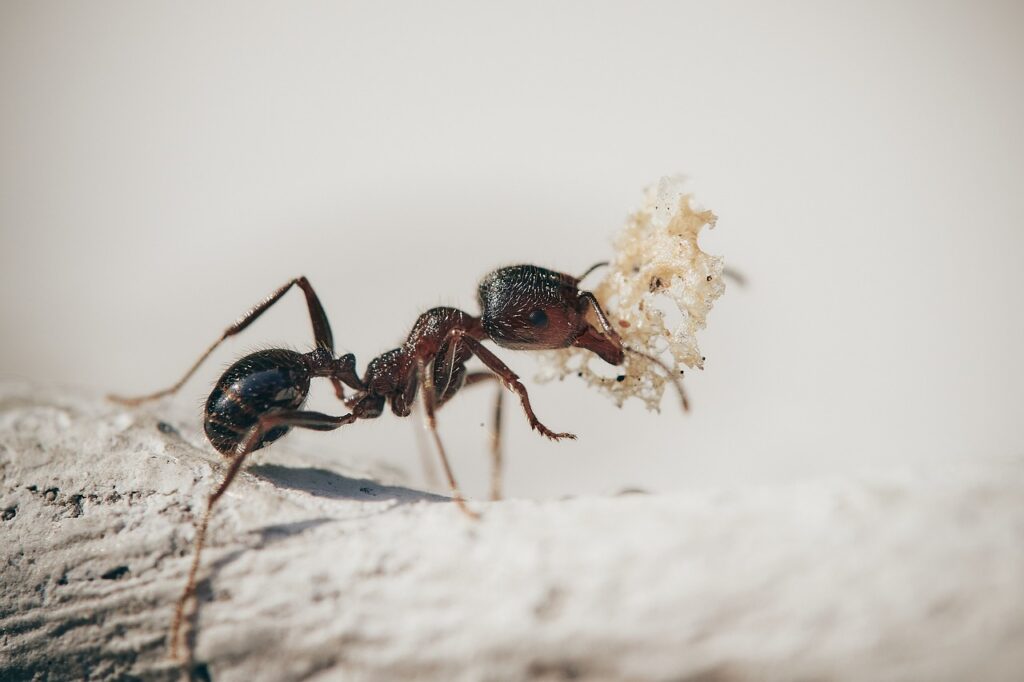
Rubbing alcohol is lethal to ants as it disrupts their nervous system and respiratory functions on contact, potentially leading to paralysis, disorientation, and death within the ant colony. Sensitivity to rubbing alcohol varies among ant species and life stages, impacting their behavior and social organization. The strong odor of rubbing alcohol also disrupts ant scent trails, making it an effective repellent to ward off ants. However, toxicity concerns and precautions are necessary due to inhalation risks for humans and pets. For a deeper understanding of how rubbing alcohol affects ants, further exploration of its specific impacts and safety considerations is recommended.
Genuine Pest Control is your professional provider of exterminating services. Call us today at (402) 300-8168 for reliable and affordable pest management.
Key Takeaways
- Rubbing alcohol disrupts ants' nervous system and alters their sensory responses.
- Isopropyl alcohol is toxic to ants, penetrating their exoskeleton and causing internal damage.
- It can result in paralysis or death, affecting ant behavior and social structure.
- Rubbing alcohol disrupts ants' respiratory system, causing breathing problems.
Ants' Sensitivity to Rubbing Alcohol
When exposed to rubbing alcohol, ants display varying degrees of sensitivity based on their species and life stage. The effects of rubbing alcohol on ants are primarily due to chemical reactions that disrupt their nervous system, leading to behavioral changes and altered sensory responses. Different ant species may exhibit distinct reactions to rubbing alcohol, with some being more resilient while others are highly sensitive.
Rubbing alcohol interferes with the functioning of an ant's nervous system, affecting their ability to communicate, navigate, and perform essential tasks within the colony. Ants rely heavily on chemical signals to communicate and coordinate their activities, so any disruption in their sensory responses can have significant consequences on their overall behavior.
Younger ants and worker ants are often more susceptible to the effects of rubbing alcohol compared to older ants or the queen. The impact of rubbing alcohol on ants can vary depending on factors such as concentration, exposure time, and the specific species involved. Understanding ants' sensitivity to rubbing alcohol is essential for effective pest control strategies while minimizing harm to these fascinating insects.
Disruption of Ants' Communication
Rubbing alcohol disrupts ants' communication by interfering with their ability to transmit and receive chemical signals essential for coordination within the colony. Ants rely heavily on chemical signals to communicate various messages such as foraging for food, warning others of danger, or marking paths to food sources. When rubbing alcohol is introduced into their environment, it can distort these signals, leading to confusion and disarray in the ants' behavior.
The disruption of chemical signals can result in ants becoming disoriented and losing their sense of direction within the colony. This breakdown in communication can hinder their ability to work together effectively, impacting tasks such as food gathering, nest building, and defense against predators. As a result, the overall productivity and organization of the ant colony can be significantly compromised.
Understanding how rubbing alcohol affects ants' communication sheds light on the intricate ways in which these tiny insects interact and cooperate. By disrupting their chemical signals, rubbing alcohol can cause disruptions in the ants' behavior and ability to function as a cohesive unit.
Direct Contact Effects on Ants
The direct contact of ants with rubbing alcohol can lead to immediate adverse effects on their physiology and behavior. Rubbing alcohol, also known as isopropyl alcohol, is toxic to ants upon direct exposure. When ants come into contact with rubbing alcohol, the chemical penetrates their exoskeleton, causing damage to their internal organs and tissues. This chemical exposure disrupts their normal bodily functions and can result in paralysis or death.
Ant behavior is notably affected by the toxicity of rubbing alcohol. Ants may exhibit disorientation, erratic movements, or complete immobility when in direct contact with this substance. Their ability to communicate through pheromones is also disrupted, impacting their social structure and coordination within the colony.
Due to their small size and vulnerability, ants are particularly sensitive to the effects of rubbing alcohol. Even small amounts of exposure can have a noteworthy impact on individual ants and the overall ant population. It is essential to handle rubbing alcohol with care to prevent unintended harm to these tiny creatures.
Impact on Ants' Respiratory System
Rubbing alcohol can have harmful effects on ants' respiratory systems, potentially leading to breathing disruptions. The inhalation of rubbing alcohol vapors can interfere with an ant's ability to breathe properly, causing distress and discomfort. Understanding how rubbing alcohol impacts ants' respiratory functions is vital in comprehending its overall effects on these tiny creatures.
Respiratory Effects of Rubbing Alcohol
Exposure to rubbing alcohol may have significant impacts on the respiratory system of ants. When ants come into contact with rubbing alcohol through inhalation, several respiratory effects may occur:
- Respiratory Toxicity: Rubbing alcohol, when inhaled by ants, can cause irritation and damage to their respiratory system. This can lead to breathing difficulties and discomfort for the affected ants.
- Inhalation Risks: Ants exposed to rubbing alcohol fumes are at risk of inhaling the toxic vapors. This inhalation can result in respiratory distress and negatively affect their ability to breathe properly.
- Mucous Membrane Irritation: The inhalation of rubbing alcohol can irritate the mucous membranes of ants, leading to inflammation and discomfort in their respiratory passages.
- Oxygen Exchange Disruption: Rubbing alcohol exposure can interfere with the ants' ability to efficiently exchange oxygen, causing respiratory distress and potentially impacting their overall health and well-being.
Understanding these respiratory effects is essential in comprehending the potential harm rubbing alcohol can pose to ants when they are exposed to it.
Ants' Breathing Disruption
Inhaling rubbing alcohol can lead to significant disruptions in the breathing patterns of ants, affecting their respiratory system. The toxicity concerns linked with rubbing alcohol exposure can have adverse effects on insect behavior, including their ability to breathe properly. Ants rely on their respiratory system to intake oxygen and release carbon dioxide, essential processes for their survival. When exposed to rubbing alcohol fumes, ants may experience difficulty in breathing due to the toxic nature of the substance. This can lead to respiratory distress, impacting their overall health and well-being. The disruption in their breathing patterns can cause distress and discomfort, affecting their usual activities such as foraging for food or communicating with other colony members. Recognizing the potential harm rubbing alcohol can pose to ants and handling it with caution is crucial to prevent unintended consequences on their respiratory system and overall behavior.
Use of Rubbing Alcohol as Repellent
The use of rubbing alcohol as a repellent for ants is a common household solution. Understanding the interaction between ants and alcohol can shed light on its effectiveness. Safety precautions should be taken into consideration when using rubbing alcohol as an ant repellent.
Ants and Alcohol
When applied strategically, rubbing alcohol can act as an effective repellent against ants in household settings.
- Alcohol Sensitivity: Ants are highly sensitive to alcohol, and it can disrupt their ability to navigate and communicate with each other effectively.
- Ant Behavior: The presence of rubbing alcohol can deter ants from entering specific areas due to their aversion to the strong scent and chemical composition of the alcohol.
- Chemical Communication: Ants rely on chemical signals to communicate with each other. Rubbing alcohol interferes with these signals, causing confusion and disorientation among the ant population.
- Alcohol Repellent: By creating a barrier of rubbing alcohol along entry points or ant trails, it can prevent ants from crossing these boundaries, effectively keeping them away from desired areas in the household.
Utilizing rubbing alcohol as a repellent can be a practical and eco-friendly solution to manage ant infestations without the use of harmful chemicals.
Repellent Effectiveness
Using rubbing alcohol as a repellent against ants has proven to be an effective method in deterring them from specific areas. When considering repellent alternatives, rubbing alcohol stands out due to its affordability and accessibility. Its application is simple – by spraying or wiping areas where ants are present, the strong odor of rubbing alcohol disrupts their scent trails, deterring them from entering that space.
While rubbing alcohol is effective, some individuals prefer natural deterrents to avoid chemical exposure. Options like peppermint oil, vinegar, or citrus peels can also act as ant repellents without the use of harsh chemicals. These natural alternatives provide a safer option for those concerned about environmental impact and potential health risks associated with chemical repellents.
Safety Considerations
Are there any safety considerations to keep in view when using rubbing alcohol as an ant repellent? When using rubbing alcohol as an ant repellent, it is crucial to prioritize safety to prevent any potential harm. Here are some key safety considerations to consider:
- Inhalation risks: Rubbing alcohol emits strong fumes that can be harmful when inhaled in large quantities. Maintain proper ventilation when using rubbing alcohol indoors to minimize the risk of respiratory irritation.
- Handling precautions: Always handle rubbing alcohol with care. Avoid contact with eyes, skin, and clothing. In case of contact, rinse thoroughly with water. Keep rubbing alcohol out of reach of children and pets to prevent accidental ingestion.
- Flammability: Rubbing alcohol is highly flammable. Keep it away from heat sources and open flames to prevent fire hazards.
- Storage: Store rubbing alcohol in a cool, dry place away from direct sunlight. Ensure the container is tightly sealed to prevent evaporation and spills.
Potential Risks and Precautions
It is significant to be aware of the potential risks associated with using rubbing alcohol around ants and to take necessary precautions to minimize any adverse effects. When using rubbing alcohol as a method of ant control, certain safety measures and handling precautions should be followed. Rubbing alcohol can be harmful if ingested or if there is prolonged skin contact, so it is important to use it in well-ventilated areas and wear protective gloves.
Moreover, the environmental impact of rubbing alcohol on ants should be considered. Excessive use of rubbing alcohol can potentially harm beneficial insects, plants, and contaminate water sources if not used responsibly. To mitigate this risk, it is vital to target the application specifically to the ant-infested areas and avoid excessive spraying.
Additionally, minimizing chemical exposure is crucial for both humans and pets. Store rubbing alcohol out of reach and keep it tightly sealed when not in use to prevent accidental ingestion or inhalation. Always read and follow the instructions on the product label to ensure safe and effective use.
Frequently Asked Questions
Can Rubbing Alcohol Kill Other Insects Besides Ants?
Rubbing alcohol, an effective insect repellent, can potentially kill various insects beyond ants due to its toxicity. However, its environmental impact raises concerns. Environmentally friendly alternatives like essential oils or vinegar may be safer options.
Will Rubbing Alcohol Harm My Pets if They Ingest It?
Just as a vigilant guardian watches over a precious gem, ensuring pet safety from potential harm is paramount. When it comes to rubbing alcohol, caution is advised as ingestion can pose risks to beloved pets.
Does Rubbing Alcohol Have a Lingering Odor for Humans?
Rubbing alcohol can leave a lingering odor for humans due to its volatile nature. This odor can impact human sensitivity, potentially causing discomfort. Additionally, the strong scent may deter ants, affecting their behavior and reducing their attraction to treated areas.
Can Rubbing Alcohol Damage Surfaces in My Home?
When using rubbing alcohol for cleaning, it is important to take into account its impact on surfaces in your home. While it is effective for cleaning, it can potentially damage certain surfaces if not used with caution. Surface protection is vital when applying rubbing alcohol.
Is Rubbing Alcohol Safe to Use Around Food?
Regarding food safety, it's important to exercise caution when using rubbing alcohol. While it can be effective for cleaning, its environmental impact and potential hazards around food make it advisable to explore safer alternatives.


