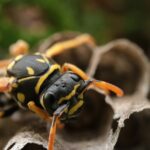
Yellow jackets hate strong scents the most, including floral fragrances like lavender and geranium, citrus aromas such as lemon or orange, and mint and eucalyptus. They also avoid bright colors and are deterred by smoke, fire, and natural repellents like peppermint. Water sources and cucumber slices are effective in keeping them away. Artificial sweeteners can also help in repelling them. Understanding these dislikes can assist in keeping yellow jackets at bay and maintaining a pest-free environment in your surroundings.
Genuine Pest Control is your professional provider of exterminating services. Call us today at (402) 300-8168 for reliable and affordable pest management.
Key Takeaways
- Floral fragrances like lavender and geranium
- Citrus scents such as lemon or orange
- Mint and eucalyptus
- Bright colors, especially neon shades
- Smoke, fire, and water sources
Strong Scents
Strong scents are often regarded as the Yellow Jackets' most hated thing. These insects have a strong aversion to floral fragrances and citrus scents. When trying to deter Yellow Jackets, one effective method is to use scents that are repugnant to them. Floral fragrances, such as lavender or geranium, are known to repel these pests. Similarly, citrus scents like lemon or orange can also deter Yellow Jackets from approaching certain areas.
By strategically placing items with these scents around outdoor areas, individuals can create a natural barrier against Yellow Jackets. For example, using essential oils or candles with these scents can be a non-toxic way to keep these insects at bay. Additionally, planting flowers or herbs that emit these odors in gardens or outdoor spaces can help discourage Yellow Jackets from building nests nearby.
Understanding the aversion Yellow Jackets have towards floral and citrus scents can be beneficial in managing these insects and creating a more comfortable environment for people to enjoy outdoor activities.
Bright Colors
Bright colors can be a significant deterrent for yellow jackets. These insects tend to dislike vibrant hues, making them less likely to approach objects with bold colors. Utilizing bright colors can help repel yellow jackets and keep them at bay.
Bright Colors Deter
Yellow jackets, like many other insects, are known to have a strong aversion to bright colors. This aversion makes them less likely to be attracted to areas where vibrant hues dominate. Bright colors, such as neon shades, act as a deterrent for yellow jackets due to their innate preference for more muted tones. For instance, clothing or accessories with floral patterns or neon shades are less likely to attract these stinging insects.
Yellow Jackets Dislike
In the world of insect behavior, certain preferences and aversions dictate their interactions with the environment around them. Yellow jackets, known for their sting and aggressive behavior, have dislikes that can be leveraged to keep them away. One of the things yellow jackets dislike is bright colors.
When it comes to deterring yellow jackets, using natural repellents can be effective. Avoiding bright colors in clothing or outdoor decor may help reduce the attraction of these insects. Environmental factors also play a role in yellow jackets' aversion to bright colors.
Bold Hues Repel
Vivid hues can serve as a natural deterrent for yellow jackets, contributing to their aversion to certain colors. Bright colors such as yellow, white, and floral patterns can be unsettling for these stinging insects. Yellow jackets are known to mistake these bold hues for flowers, which they are naturally attracted to for feeding on nectar. When they encounter these colors, it may trigger defensive behavior due to a perceived threat to their territory or food source.
In addition to bright colors, yellow jackets also dislike loud noises, which can disrupt their environment and make them feel threatened. Natural predators like birds and certain insects also play a role in deterring yellow jackets from certain areas. The presence of these predators can cause yellow jackets to seek out quieter and safer locations to build their nests.
Smoke and Fire
Amidst the relentless buzz of activity in their habitat, the Yellow Jackets find themselves most repelled by the presence of smoke and fire. These insects have a strong aversion to smoke deterrents and fire repellents. When Yellow Jackets encounter smoke, their instinct is to flee the area immediately, as the strong scent and particles interfere with their communication and navigation abilities. Fire, being a source of heat and danger, triggers an innate response in Yellow Jackets to avoid the vicinity at all costs.
Using smoke deterrents and fire repellents can be an effective way to deter Yellow Jackets from certain areas, especially when trying to protect oneself or others from potential stings. It is important to exercise caution when using these methods, ensuring that they are applied safely and in accordance with local regulations.
Water Sources
Nestled within their intricate habitats, Yellow Jackets display a particular disdain for water sources. When dealing with these pesky insects, it is essential to be aware of their aversion to water, as it can be a useful tool in deterring them from unwanted areas. Here are some strategies to leverage this knowledge effectively:
- Natural Repellents: Yellow Jackets are not fans of strong scents like peppermint, citronella, or eucalyptus. Using these natural repellents around water sources can help deter them from frequenting these areas.
- Water Traps: Setting up water traps can be an effective way to draw Yellow Jackets away from spaces you want to keep clear. By creating alternative water sources away from your desired locations, you can redirect their attention and activities.
- Maintain Dryness: Ensuring that areas prone to Yellow Jacket activity remain dry can also discourage their presence. Fixing leaks, covering water features, and removing standing water can help make these areas less appealing to these insects.
Mint and Eucalyptus
Yellow Jackets' aversion to water sources extends to their dislike for certain scents, especially mint and eucalyptus. These herbal remedies are known as natural repellents that can help deter insects, including yellow jackets. The strong aroma of mint and eucalyptus not only provides aromatherapy benefits for humans but also acts as effective insect deterrents.
Incorporating mint and eucalyptus into your surroundings can help keep yellow jackets at bay. Planting these herbs in your garden or using essential oils with these scents can create a natural barrier that yellow jackets find unpleasant. Additionally, using mint or eucalyptus-based products around outdoor eating areas can help prevent yellow jackets from being attracted to food and drinks.
Peppermint Oil
With its potent aroma and versatile uses, peppermint oil emerges as a natural solution to repel unwanted pests. Peppermint oil is known for its ability to deter yellow jackets and other insects due to its strong scent that they find unpleasant. Here are three ways to effectively use peppermint oil as a natural repellent and alternative solution:
- DIY Spray: Create a simple yet effective yellow jacket repellent spray by mixing a few drops of peppermint oil with water in a spray bottle. Shake well before application and spray around outdoor areas where yellow jackets may nest or frequent.
- Soak Cotton Balls: Soak cotton balls with peppermint oil and strategically place them around your yard, patio, or any areas where yellow jackets are a nuisance. The scent will discourage them from coming close.
- Plant Peppermint: Consider planting peppermint in your garden or near outdoor seating areas to naturally repel yellow jackets. The strong aroma emitted by the plant acts as a deterrent, providing an alternative solution to keep these pests at bay.
Cucumber Slices
Cucumber slices offer an invigoratingly simple yet effective method for deterring yellow jackets and other pests in outdoor settings. These insects are naturally repelled by the scent of cucumbers, making them a handy tool for keeping yellow jackets at bay. Additionally, cucumber slices can be a safer alternative to chemical repellents, especially in areas where food is present.
To understand how cucumber slices work in deterring yellow jackets, let's compare them with other natural repellents like lemon peels and citrus fruits:
| Repellent | Effectiveness | Ease of Use |
|---|---|---|
| Cucumber Slices | High | Very easy |
| Lemon Peels | Moderate | Moderate |
| Citrus Fruits | Moderate | Moderate |
As shown in the table, cucumber slices excel in both effectiveness and ease of use compared to lemon peels and citrus fruits. This makes them a convenient and practical option for keeping yellow jackets away from outdoor gatherings.
Artificial Sweeteners
Artificial sweeteners have become a popular choice for individuals seeking to reduce their sugar intake without sacrificing sweetness in their beverages or foods. While these sugar substitutes offer a low-calorie alternative, they can also serve as effective pest control against yellow jackets due to their intense sweetness and chemical composition. Here are three key points one must keep in mind when using artificial sweeteners to deter yellow jackets:
- Natural alternatives: Opt for natural sweeteners like stevia or monk fruit extract as a safer and environmentally friendly option to repel yellow jackets without harmful chemicals.
- Pest control: Artificial sweeteners such as saccharin, aspartame, or sucralose can be mixed with water and placed in containers near common yellow jacket entry points to deter them effectively.
- Caution: While artificial sweeteners can be useful in repelling yellow jackets, it's crucial to place them strategically to avoid attracting other pests or wildlife to the area.
Frequently Asked Questions
Can Yellow Jackets See in the Dark?
Yellow jackets have limited night vision due to their light sensitivity. While they can see in low light conditions, their visual capabilities are reduced in darkness. This can affect their foraging and hunting activities during nighttime.
Do Yellow Jackets Eat Other Insects?
Yellow jackets are known for their predatory habits, preying on other insects like caterpillars, flies, and spiders. They play an important role in controlling pest populations. However, they also have natural enemies like birds and certain wasp species.
How Do Yellow Jackets Communicate With Each Other?
Yellow jackets communicate primarily through pheromone trails, intricate chemical signals guiding behavior patterns. Like a well-orchestrated dance, these signals allow for coordination within the colony, ensuring efficient foraging, defense, and reproduction tasks are carried out seamlessly.
Can Yellow Jackets Survive in Cold Temperatures?
Yellow jackets exhibit unique overwintering behavior to survive cold temperatures. They seek shelter in protected areas such as underground burrows or within walls. By clustering together and reducing metabolic activity, they conserve energy during winter months, employing effective survival strategies.
Do Yellow Jackets Hibernate During the Winter?
During the winter, yellow jackets do not hibernate. Instead, the colony dies off, except for the newly fertilized queens who find shelter to survive. These queens emerge in spring to start new colonies, ensuring their winter survival.