
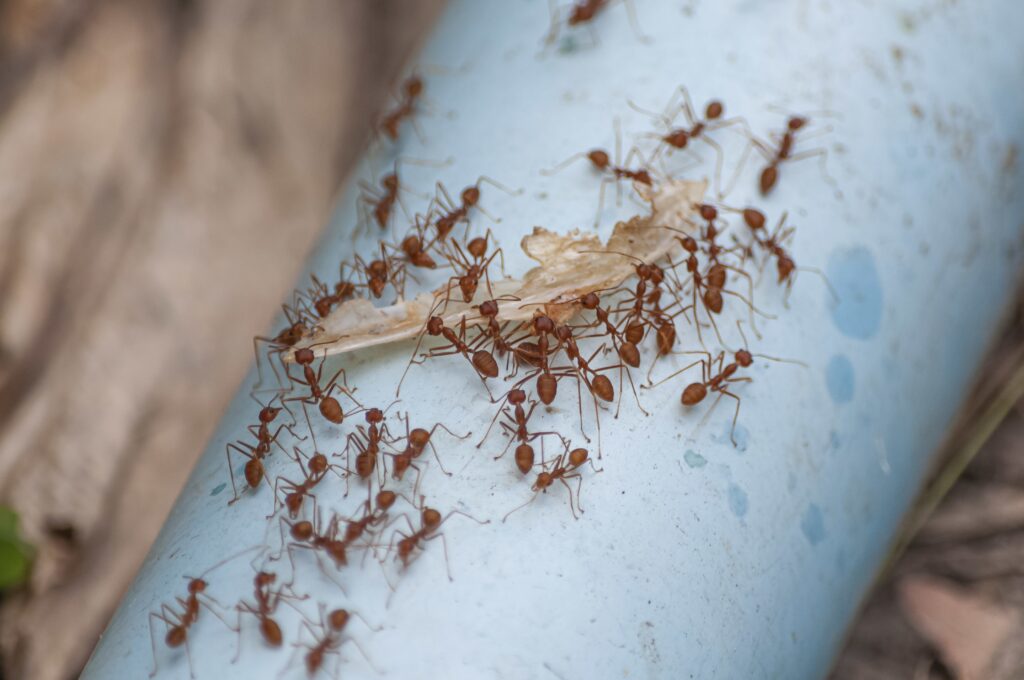
Sudden ant infestations in homes can occur due to seasonal changes, availability of food, weather shifts, suitable nesting spots, and the attraction of crumbs and spills. These factors can lead ants to invade your house quickly. To address this issue, consider cleaning up spills promptly, storing food properly, sealing entry points, trimming vegetation near your home, and utilizing ant baits or traps. For more detailed information on why ants might suddenly appear in your house and how to prevent future infestations, explore the variety of factors and solutions provided by experts in the field.
Genuine Pest Control is your professional provider of exterminating services. Call us today at (402) 300-8168 for reliable and affordable pest management.
Key Takeaways
- Sudden presence may be due to exposed food sources attracting ants.
- Changes in weather can prompt ants to seek shelter indoors.
- Ant colonies nearby may influence sudden infestations.
- Crumbs and spills can draw ants into homes unexpectedly.
Seasonal Changes
Seasonal changes can greatly impact the presence of ants in homes. As temperatures fluctuate, ants may seek shelter indoors, leading to an increase in pest activity. To address this issue, effective pest control measures and infestation prevention strategies are essential.
Pest control involves various methods to manage and eliminate ant infestations. This may include using ant baits, sprays, or seeking assistance from professional pest control services. Regular inspections of entry points such as cracks in walls, windows, and doors can help in identifying and sealing off potential ant entryways.
Infestation prevention plays a key role in keeping ants at bay. Keeping food tightly sealed, maintaining cleanliness to avoid attracting ants, and promptly fixing any leaks or moisture issues can help prevent infestations. Additionally, trimming vegetation away from the house and storing firewood away from the structure can deter ants from entering the home.
Food Sources
When dealing with ants in your house, understanding that they are primarily attracted to food sources is crucial. Properly storing food items such as sugar, honey, and crumbs can help prevent ant infestations. By eliminating access to food, you can effectively deter ants from entering your living space.
Ants Attracted to Food
Ants are commonly attracted to food sources found in residential settings, leading to infestations in homes. Ensuring proper food preservation and ant prevention techniques can help mitigate this issue. Ants have a want sense of smell and are drawn to even the smallest food particles left out in the open. To help you understand what might be attracting these pests, here is a table illustrating common food sources that can attract ants:
| Food Source | Potential Attraction for Ants |
|---|---|
| Sugary foods | Sweet scent attracts ants |
| Greasy or oily foods | Ants are drawn to the fats |
| Crumbs and food residue | Leftovers provide food source |
| Fruits | Ripe fruits emit odors that ants love |
Proper Food Storage
To prevent ants from being drawn to food sources in your home, proper food storage is key in minimizing their presence and potential infestations. Pest prevention starts with keeping all food items tightly sealed in containers made of glass, metal, or plastic. Make sure that pantry staples like flour, sugar, and cereals are stored in airtight containers to deny ants easy access to these food sources. Additionally, promptly clean up any spills or crumbs, as even the smallest food remnants can attract ants.
Kitchen organization plays a vital role in deterring ants from invading your living spaces. Regularly check for any leaking pipes or faucets that could create moisture spots attracting ants. Wipe down countertops and sweep floors frequently to remove any food debris that could serve as a tempting meal for these pests.
Weather Conditions
Weather conditions play a significant role in the behavior of ants in households. Factors like humidity levels can affect their foraging patterns and nesting habits. Seasonal temperature changes and rainfall also influence the movement and activity of ants within a home.
Impact of Humidity
High humidity levels can create conducive conditions for ants to seek shelter and forage for food inside homes. When humidity levels are high, ants are more likely to enter homes in search of water and food sources. Here are some ways in which humidity impacts ant behavior:
- Indoor Plants: High humidity can attract ants to indoor plants as they provide a moist environment that ants are drawn to.
- Ant Infestations: Increased humidity levels can lead to larger ant infestations as it creates a favorable environment for ants to thrive and reproduce.
- Air Circulation: Poor air circulation in humid areas can trap moisture, creating ideal conditions for ants to establish nests and colonies.
Maintaining ideal humidity levels and addressing areas of high moisture can help reduce ant activity inside your home.
Seasonal Temperature Changes
Seasonal temperature changes play a significant role in influencing ant behavior within residential settings. Insect behavior is greatly influenced by the fluctuations in temperature that occur throughout the year. As temperatures rise, ants become more active, seeking food and shelter within the home environment. Warmer weather encourages ants to forage for food more aggressively, leading them to enter houses in search of sustenance. Conversely, when temperatures drop, ants tend to seek out warmer areas, making households an attractive location for them to nest.
The home environment provides ants with ample sources of food, water, and shelter, making it a prime target for these insects during temperature fluctuations. Homeowners may notice an increase in ant activity inside their homes during seasonal temperature changes as ants respond to the variations in weather conditions. Understanding how seasonal temperature changes impact ant behavior can help individuals take proactive measures to prevent infestations and effectively manage any existing ant problems within their living spaces.
Rainfall Influence on Ants
Ant behavior is significantly influenced by variations in rainfall patterns, impacting their movement and foraging activities. Changes in rainfall can greatly affect ant colonies, leading to shifts in their behavior and habits. Here are some key points to note regarding the influence of rainfall on ants:
- Soil Moisture: Ants are highly sensitive to soil moisture levels, with excessive rainfall causing their underground nests to flood, forcing them to seek refuge above ground or even invade homes in search of dry shelter.
- Foraging Patterns: Heavy rainfall can disrupt ant foraging patterns as flooded areas make it challenging for them to find food, pushing them to explore new territories, including residential spaces.
- Colony Behavior: Ant colonies may exhibit increased activity following rainfall as they work to repair any damage caused by water infiltration or relocate their nests to more suitable locations.
Nesting Sites
One key aspect of managing ant infestations in homes is identifying and eliminating their preferred nesting sites. Understanding ant behavior and nesting habits is important for effective control. Ant colonies typically establish their nests near sources of food and water, making kitchens, pantries, and dining areas common hotspots within homes. These areas provide easy access to sustenance, allowing ants to thrive and expand their colonies.
Ants are known to nest in a variety of locations, including wall voids, under floors, behind baseboards, and in cracks or crevices. Outdoors, they may nest in soil, under rocks, or in rotting wood. To prevent ants from nesting indoors, it is essential to maintain a clean and dry environment, promptly fix any plumbing leaks, and seal off entry points such as gaps around doors and windows.
Regularly inspecting and cleaning areas where crumbs, spills, and food residues accumulate can help deter ants from establishing nests inside homes. By eliminating attractive nesting sites and practicing good sanitation, homeowners can significantly reduce the likelihood of ant infestations.
Crumbs and Spills
Maintaining a clean and crumb-free environment is essential for deterring ants from being attracted to spills and food residues in homes. Ants are drawn to even the smallest crumbs and spills, making it vital to adopt good cleaning routines and kitchen habits to prevent infestations. Here are some practical tips to help keep ants at bay:
- Establish a consistent cleaning routine: Regularly sweep and mop floors, wipe down countertops, and clean up any spills promptly to remove potential ant attractants.
- Store pet food properly: Seal pet food in airtight containers to avoid leaving accessible food sources for ants.
- Monitor outdoor spills: Check for any spills or food remnants outside the house, as these can attract ants indoors.
Moisture Levels
Maintaining appropriate moisture levels in your home is important in deterring ants from invading your space. Excess moisture can attract these pests, making leak prevention strategies essential. Implementing humidity control tips can help create an environment that is less hospitable to ants.
Excess Moisture Attracts
Excessive moisture within a household can serve as a significant attractant for ants seeking a suitable habitat. When ants detect excess moisture, they are drawn to it due to the potential benefits it offers. Here are some reasons why ants are attracted to areas with high moisture levels:
- Water Source: Excess moisture provides ants with a readily available water source, which is essential for their survival.
- Nesting Opportunities: Moist environments offer ants suitable conditions for nesting and colony establishment.
- Food Availability: Moist areas often harbor other insects and microorganisms that ants feed on, making these locations attractive for foraging.
Leak Prevention Strategies
To prevent leaks and maintain ideal moisture levels in your home, it is essential to implement proactive strategies. Conduct regular pipe inspections to identify any potential leaks or damages early on. Check for signs of corrosion, rust, or moisture around pipes, as these could indicate a problem. Addressing issues promptly can help prevent water damage and mold growth, which can attract pests like ants.
Another important step in leak prevention is foundation sealing. Inspect the foundation of your home for any cracks or gaps that could allow water to seep in. Seal these openings using appropriate materials to prevent water intrusion. By ensuring a watertight foundation, you can minimize the risk of leaks and excess moisture buildup in your home.
Humidity Control Tips
Controlling humidity levels in your home is essential for creating a comfortable and healthy living environment. Excessive moisture can not only lead to mold growth and structural damage but also attract pests like ants. To help you manage humidity effectively, consider the following tips:
- Invest in a Dehumidifier: A dehumidifier can help regulate moisture levels in your home, making it less hospitable to pests while also preventing mold and mildew growth.
- Improve Ventilation: Enhancing ventilation in your home by using exhaust fans in kitchens and bathrooms, opening windows when possible, and utilizing air vents can help reduce humidity levels.
- Monitor Indoor Plants: Overwatering indoor plants can increase indoor humidity. Be mindful of proper watering techniques to prevent excess moisture in the air.
Entry Points
Ants can enter your house through tiny cracks and openings around doors and windows, making it essential to seal these entry points to prevent infestations. Conducting an entry point evaluation is pivotal for effective pest control. Check for any gaps in walls, floors, or foundations and seal them with caulk or weather stripping. Barrier protection is key in ant prevention; consider applying insecticide barriers around the perimeter of your home to deter ants from entering. Ants are adept at finding even the smallest openings, so thoroughness in sealing entry points is essential. Regularly inspect and maintain door sweeps, window screens, and any other potential entryways to keep ants at bay. By taking these proactive measures, you can greatly reduce the likelihood of ants invading your living space. Remember, prevention is often more impactful than dealing with a full-blown ant infestation later on.
Sudden Disturbances
When sudden disturbances occur, such as construction work nearby or loud noises, ants may exhibit erratic behavior and scatter unpredictably within your living space. This sudden disruption can lead ants to seek out new areas within your home, causing them to appear in unexpected places. To address this issue effectively, consider the following:
- Identify Entry Points: Inspect your home for any openings or cracks that ants could use to enter, sealing them promptly to prevent further intrusion.
- Maintain Cleanliness: Regularly clean up spills and crumbs, as these can attract ants and contribute to infestations.
- Eliminate Standing Water: Ants are drawn to moisture, so fix any leaks and eliminate sources of standing water in and around your home.
Taking proactive steps towards pest control and infestation prevention can help you maintain a harmonious living environment free from unwanted ant intrusions.
Pest Control Measures
To effectively manage ant infestations in your home, implementing targeted pest control measures is essential. When dealing with ants, there are various options available, including natural remedies, chemical treatments, DIY solutions, and pest control services. Here is a simple table outlining the different approaches:
| Pest Control Measures | Description |
|---|---|
| Natural Remedies | Using items like vinegar, lemon, or cinnamon to deter ants naturally. |
| Chemical Treatments | Insecticides that can be effective but should be used cautiously. |
| DIY Solutions | Seal entry points, keep surfaces clean, and eliminate food sources. |
| Pest Control Services | Professional help for severe infestations or recurring ant problems. |
Utilizing a combination of these methods may be necessary to effectively control ant populations in your home. Remember to follow instructions carefully when using chemical treatments and consider seeking professional pest control services for persistent ant issues.
Professional Help
For those facing persistent ant infestations that require expert intervention, seeking professional assistance from experienced pest control services is highly recommended. Professional exterminators have the knowledge, tools, and expertise to effectively eliminate ant infestations and prevent future occurrences. Here are some key points to ponder when deciding whether to enlist professional help or use DIY remedies for an ant infestation:
- Thorough Inspection: Professional exterminators will conduct a comprehensive inspection of your property to identify the source of the infestation.
- Customized Treatment: They will develop a tailored treatment plan based on the type of ants present and the severity of the infestation.
- Prevention Methods: Professionals can also provide valuable advice on prevention techniques to help you avoid future ant problems.
Frequently Asked Questions
Can Ants Cause Damage to My House?
Ants can cause structural damage and property destruction if left unaddressed. They can weaken wooden structures by tunneling through them and can contaminate food sources. It is essential to address ant infestations promptly to prevent potential harm to your property.
Do Certain Types of Ants Prefer Certain Areas?
Ant behavior is influenced by environmental factors. Certain types of ants may prefer specific areas due to factors like food availability, moisture levels, and temperature. Understanding these preferences can help in implementing targeted control strategies.
Are Ants in My House a Sign of a Bigger Problem?
Ants in your house could indicate a larger problem like pest infestation. Seeking professional pest control services can address this issue effectively. Additionally, structural issues might contribute to ant presence. Regular maintenance can help prevent such occurrences.
How Quickly Can an Ant Infestation Grow?
Ant colony growth can result in rapid infestation expansion within days. Under ideal conditions, a single ant colony can multiply quickly, with thousands of ants being added to the population in a short period.
Can DIY Methods Effectively Get Rid of Ants?
Curbing ant invasions can be challenging, but hope is not lost. Natural repellents like peppermint oil and vinegar offer DIY options. For persistent cases, commercial treatments with bait stations or sprays may be necessary.


