
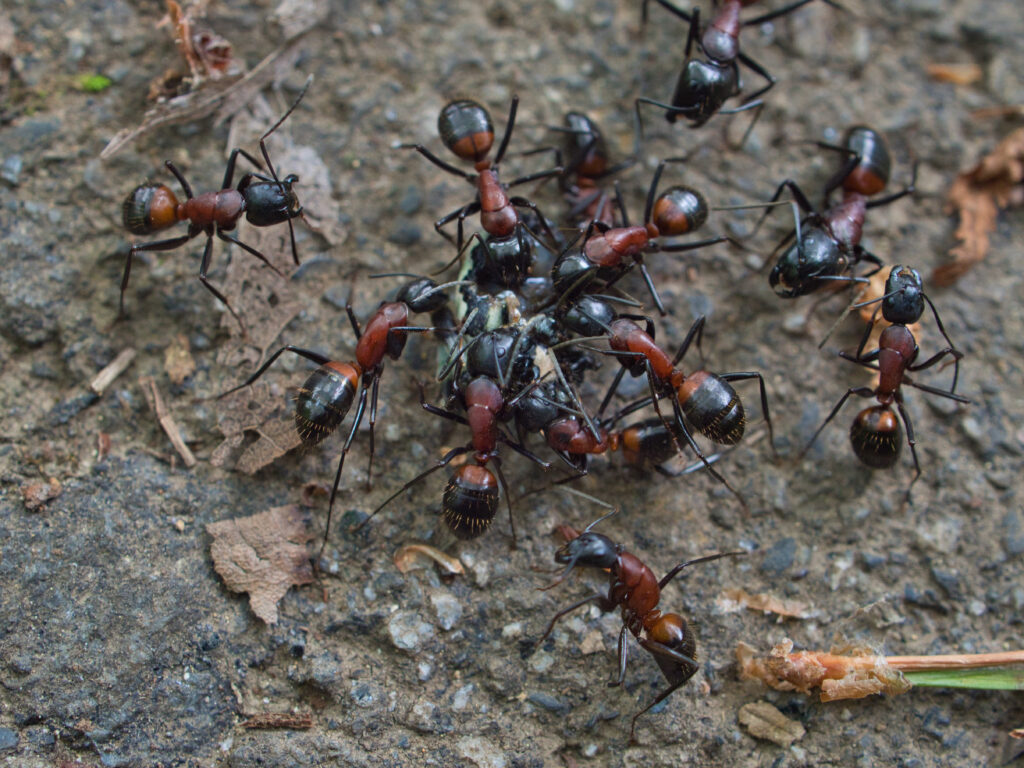
Ant infestations are commonly attracted by factors like food crumbs, sweet scents, excess moisture, entry points, and suitable shelter for nesting. To prevent attracting ants, maintain good hygiene by cleaning regularly, storing food in airtight containers, and promptly cleaning spills. Avoid leaving sweet substances open, as ants are drawn to these scents. Check for and fix any moisture sources in your house, and seal entry points like cracks in walls and windows. Understanding these attractants is essential in keeping ants at bay and safeguarding your home.
Genuine Pest Control is your professional provider of exterminating services. Call us today at (402) 300-8168 for reliable and affordable pest management.
Key Takeaways
- Food crumbs left unattended draw ants.
- Sweet scents like sugary substances lure ants.
- Excess moisture, like standing water, attracts ants.
- Entry points such as cracks allow ants to enter.
Food Crumbs
What is it about food crumbs that makes them a magnet for attracting ant infestations? Food crumbs left out in the open or hidden in nooks and crannies can quickly become an invitation for ants to invade your home. To prevent this, it is vital to maintain good hygiene practices and a regular cleaning routine.
Effective food storage and kitchen organization are essential in keeping ants at bay. Store all food items in airtight containers to avoid attracting ants with their scent. Make sure to clean up spills immediately and wipe down counters and tables regularly. Additionally, regularly sweep and vacuum floors to remove any food particles that may have fallen.
A clutter-free kitchen is less likely to attract ants as it leaves fewer hiding spots for them to nest and forage for food. By incorporating these hygiene practices and maintaining a strict cleaning routine, you can greatly reduce the risk of ant infestations in your home.
Sweet Scents
Ants are naturally drawn to sweet scents, making sugary substances a common attractant for ant infestations. Along with food crumbs, sweet scents like sugary snacks and floral fragrances can lure ants into homes. Understanding these attractants can aid in preventing infestations. Aromatic candles and fruity perfumes may smell delightful to us, but they can also be an invitation for ants seeking out these sweet scents.
To help you better comprehend the impact of sweet scents on ant infestations, let's consider the following table:
| Sweet Scents | Examples |
|---|---|
| Sugary Snacks | Cookies, candies |
| Floral Fragrances | Rose, lavender scents |
| Aromatic Candles | Vanilla, cinnamon |
| Fruity Perfumes | Citrus, berry scents |
| Sweet Body Lotions | Coconut, mango |
Moisture
Moisture serves as another significant factor that can attract ants into homes and contribute to infestations. Excess moisture creates the perfect environment for mold growth, which is a food source for ants. Moreover, standing water around the house, often caused by plumbing issues, not only attracts ants seeking water but can also lead to structural damage over time.
When there are plumbing problems like leaks or drips, they can create damp conditions that ants find favorable for nesting. Addressing these plumbing issues promptly can help prevent ant infestations. Additionally, stagnant water in areas such as sinks, basements, or near air conditioning units should be eliminated to deter ants from invading the premises.
Ants are drawn to moisture-rich environments due to their need for water to survive. By controlling moisture levels in and around the house, homeowners can reduce the likelihood of ant infestations and the potential structural damage they may bring along.
Entry Points
When it comes to attracting ant infestations, understanding common entry points is essential. Ants can find their way indoors through various vulnerable areas such as cracks in walls or gaps around doors and windows. Likewise, outdoor access points like tree branches touching the house or utility lines entering the building can also serve as ant entryways.
Common Entry Points
Ant infestations are often attracted to homes through small cracks and gaps in walls, windows, and doors. Hidden fissures in walls provide easy access for ants to enter homes in search of food and water. These tiny openings may go unnoticed but serve as highways for ants to infiltrate living spaces. Unsealed windows are another common entry point for ants. When windows are not properly sealed, ants can crawl through the smallest crevices, making their way indoors.
It is essential to inspect and seal any hidden crevices in walls, especially around windows and doors, to prevent ant infestations. Regular maintenance of window seals can also help in keeping ants at bay. By addressing these common entry points, homeowners can significantly reduce the likelihood of ant invasions and maintain a pest-free living environment. Remember, even the smallest gap can be an open invitation for ants to enter, so staying vigilant and proactive in sealing entry points is key to ant prevention.
Vulnerable Areas Indoors
To prevent ant infestations, homeowners should pay close attention to vulnerable areas indoors that serve as potential entry points for these pests. Wall cracks and hidden corners are prime locations for ants to enter a home, as these tiny insects can easily navigate through even the smallest openings. Regularly inspecting and sealing off any gaps in walls or corners can help deter ant invasions.
Additionally, cluttered areas and dark spaces provide ideal hiding spots and breeding grounds for ants. By maintaining a clean and organized living environment, homeowners can reduce the likelihood of attracting ants into their homes. Regularly decluttering and cleaning these areas can help disrupt ant trails and nesting sites, making the environment less hospitable for them.
Outdoor Access Points
Identifying and sealing outdoor access points is vital in preventing ant infestations in and around your home. Garden pests can easily find their way indoors through tiny gaps and cracks, making it important to establish DIY barriers for effective pest control. By taking proactive measures to secure potential entry points, you can protect your living space from unwanted intruders.
| Outdoor Access Point | Prevention Methods | Importance |
|---|---|---|
| Cracked Foundation | Seal with Caulk | Prevents Ant Entry |
| Gaps Around Doors | Install Weather Stripping | Blocks Pest Access |
| Crevices in Walls | Fill with Sealant | Eliminates Entry Points |
Regularly inspecting and maintaining your home's exterior can greatly reduce the risk of ant infestations. DIY barriers such as sealing cracks and crevices offer a cost-effective and practical solution to keep garden pests at bay. Remember, a little prevention can go a long way in preserving a pest-free environment.
Shelter
Providing easily accessible and suitable shelter is a key factor that can attract an ant infestation. Ants are drawn to areas that offer ideal conditions for nesting and safety. Understanding their nesting preferences and the materials they use for building can help prevent infestations. When it comes to shelter, ants seek:
- Nesting Preferences: Ants prefer hidden spots where they can establish their colonies away from predators and harsh weather conditions. Cracks in walls, gaps in flooring, or even piles of debris can serve as attractive nesting sites for ants.
- Construction Materials: Ants are resourceful builders, utilizing a variety of construction materials to create their shelters. They often use organic matter like soil and wood particles to build their nests. Additionally, ants may repurpose existing structures or materials to suit their nesting needs.
- Building Materials: Ants are known to construct elaborate nests using saliva and materials like leaves, pebbles, or twigs. These materials provide structural support and protection for their colonies, making them essential for ant shelter construction. Understanding these preferences can help in identifying and addressing potential ant shelter locations to prevent infestations.
Pet Food
When it comes to attracting ants, pet food can be a major culprit. Improper storage of pet food, spills, and crumbs left behind can all serve as invitations for ants to invade your space. Additionally, feeding pets outdoors can create outdoor feeding areas that may also attract ants.
Pet Food Storage
Proper storage of pet food is vital in preventing ant infestations in your home. To safeguard your furry friend's food and keep those pesky ants away, follow these simple guidelines:
- Packaging Options: Opt for pet food that comes in resealable bags or airtight containers. These packaging options help maintain the food's freshness while also deterring ants from detecting and accessing it.
- Storage Containers: Use dedicated containers specifically designed for storing pet food. These containers are typically made of sturdy plastic or metal and have secure lids that ants can't penetrate. Guarantee the containers are placed in a cool, dry area away from direct sunlight.
- Feeding Schedules and Portion Control: Establish regular feeding schedules for your pets and avoid leaving food out for extended periods. By controlling portions and promptly removing uneaten food, you reduce the chances of attracting ants to the leftovers.
Spills and Crumbs
To prevent ant infestations, make sure that pet food spills and crumbs are promptly cleaned up and properly disposed of. Regular cleaning is essential to keep ants away. Ants are attracted to the scent of food, and even the smallest spills can lead to an infestation. Proper prevention involves maintaining a clean feeding area for your pets.
Proper storage of pet food is essential in preventing ant problems. Store pet food in airtight containers to avoid spills and crumbs that may attract ants. Make sure to seal the containers properly after each use to prevent any lingering odors that could draw ants to the area.
Maintenance of the feeding area is key to deterring ants. Wipe down surfaces regularly and clean up any spills immediately. By practicing good hygiene habits and staying vigilant in cleaning up after your pets, you can notably reduce the risk of ant infestations in your home.
Outdoor Feeding Areas
Maintaining cleanliness in outdoor feeding areas is crucial in preventing ant infestations. Outdoor feeding areas such as picnic tables and bird feeders can easily attract ants if not properly managed. Here are some tips to keep these areas ant-free:
- Picnic Tables: Regularly wipe down picnic tables after each use to remove any food residue that may attract ants. Consider using ant-repellent sprays or natural deterrents like vinegar to keep ants away.
- Bird Feeders: Clean up spilled birdseed around bird feeders promptly. Store birdseed in airtight containers to avoid attracting ants. Consider placing bird feeders on poles with moats filled with water to prevent ants from crawling onto them.
- Garbage Cans, Compost Piles: Make sure that garbage cans have tight-fitting lids and are emptied regularly to avoid food buildup that could lure ants. Similarly, manage compost piles properly by turning them regularly and covering them to prevent ants from being drawn to decaying organic matter.
Trash
Improper disposal of waste can be a major attractant for ant infestations. Keeping waste properly contained and disposing of it regularly is necessary in ant prevention. Here are some key points to keep in mind:
| Waste Disposal Do's | Waste Disposal Don'ts |
|---|---|
| Use sealed waste bins | Leave waste bags outside |
| Empty waste regularly | Let garbage accumulate |
| Clean spills promptly | Ignore overflowing containers |
Recycling bins should also be kept clean to avoid any food residue that may attract ants. Ensure compost piles are well-maintained with a proper balance of green and brown materials to prevent them from becoming ant magnets. Sanitation plays an important role in deterring ants, so maintaining cleanliness in all waste disposal areas is essential. By following these simple guidelines, you can effectively reduce the risk of ant infestations caused by improper waste management.
Plants
Plants in and around the home can inadvertently attract ants if not properly maintained. To prevent an ant infestation due to plants, it is essential to focus on plant care and greenery aesthetics. Here are three key points to keep in mind:
- Regular Pruning: Trim any overgrown branches or leaves as they can create pathways for ants to access your home. Keeping plants well-maintained not only enhances the visual appeal but also reduces the risk of attracting ants.
- Proper Watering: Overwatering plants can lead to excess moisture, which attracts ants searching for water sources. Make sure indoor gardening plants are watered appropriately, allowing the soil to dry out slightly between waterings.
- Plant Placement: Strategically position plants away from entry points like windows and doors. When practicing plant propagation, avoid placing new plant cuttings near vulnerable areas where ants can easily find them.
Climate
Ant infestations can be influenced by the prevailing climate conditions in a particular area. Seasonal changes play a significant role in ant activity. During warmer months, ants are more active, searching for food and establishing new colonies. This increased activity can lead to higher chances of infestations in homes and buildings. Pest control measures should be heightened during these times to prevent ant invasions.
Weather patterns also affect ant behavior. Rainy seasons, for example, may drive ants indoors in search of dry shelter and food sources. Proper pest prevention strategies, such as sealing entry points and keeping food tightly sealed, become vital during such periods to deter ants from entering properties.
Understanding how climate impacts ant behavior is essential for effective pest management. By being aware of seasonal changes and weather patterns, individuals can take proactive measures to reduce the risk of ant infestations. Regular inspections, maintenance, and cooperation with pest control professionals are key steps in keeping ants at bay regardless of the climate conditions.
Frequently Asked Questions
Can Ants Infest Electronics or Appliances?
Ants can infest electronics, causing damage and potential malfunctions. They are attracted to the warmth and electrical currents emitted by appliances. To prevent appliance infestations, keep areas clean, seal entry points, and address moisture issues promptly.
Do Ants Prefer Certain Types of Plants?
Ants, with their diverse gardening preferences, are attracted to certain types of plants due to factors like nectar production, aphid infestations, and sap availability. Understanding these plant selections can help manage ant behavior effectively.
How Can I Prevent Ants in My Attic?
To prevent ants in your attic, focus on two key areas: attic insulation and food storage. Seal any entry points, maintain cleanliness, store food in airtight containers, and guarantee proper insulation to deter ant infestations effectively.
Can Ants Nest in Mattresses or Furniture?
Ants can nest in mattresses or furniture, posing hygiene and comfort concerns. Prevent infestations by keeping bedding and upholstery clean and using ant deterrents. Additionally, be wary of ants in clothing and vehicles to maintain a pest-free environment.
Are Certain Climate Conditions More Attractive to Ants?
In understanding ant behavior, certain climate conditions play a role in attracting these tiny invaders. Warm and moist environments are particularly appealing to ants as they seek out food sources and suitable nesting grounds.


