
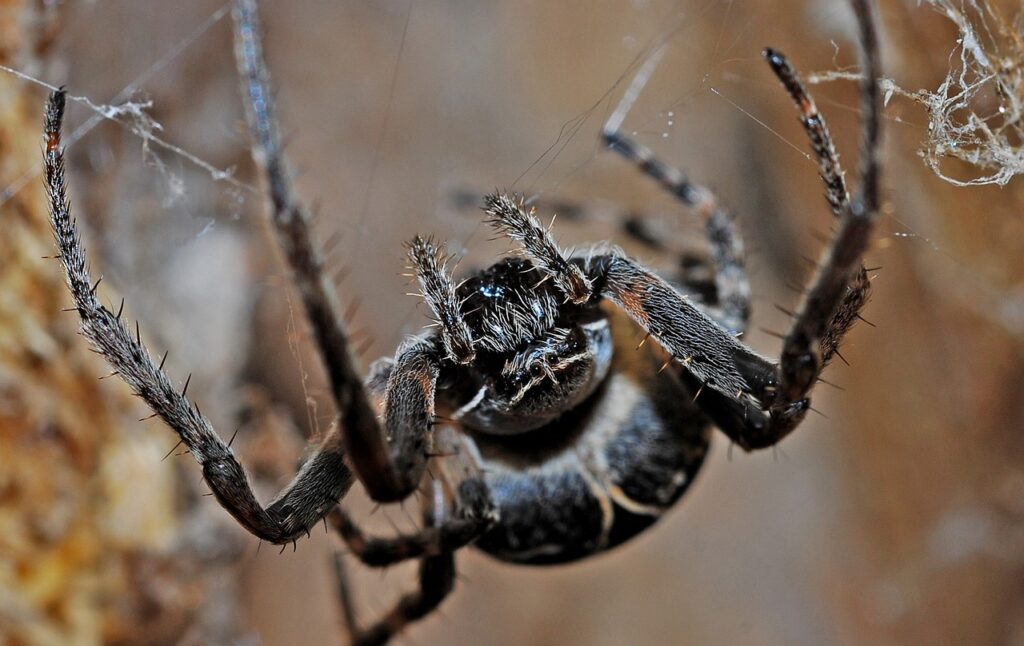
Eliminate a spider infestation by sealing entry points, removing clutter, and vacuuming regularly. Use natural repellents like peppermint oil or citrus peels, or employ diatomaceous earth to dehydrate and eliminate spiders. Maintain outdoor areas, install yellow light bulbs, and consider contacting pest control services for severe infestations. This multi-step approach will help effectively control and prevent spider populations in your home. Consider exploring additional measures like utilizing essential oils, applying spider repellents, and keeping outdoor areas tidy for a thorough spider prevention plan.
Genuine Pest Control is your professional provider of exterminating services. Call us today at (402) 300-8168 for reliable and affordable pest management.
Key Takeaways
- Seal entry points to prevent spider access.
- Use natural repellents like peppermint oil and citrus peels.
- Apply diatomaceous earth to dehydrate and kill spiders.
- Keep outdoor areas tidy to discourage spider habitation.
- Consider yellow light bulbs to deter spiders and insects.
Seal Entry Points
To effectively address a spider infestation, one vital step is to seal entry points in your home. Spiders can enter through even the smallest of cracks, so it is pivotal to seal up any openings where they may be gaining access. Begin by thoroughly inspecting the exterior of your home for any visible cracks or crevices that spiders could use to enter. Common entry points include gaps around windows, doors, pipes, and cables. Use a silicone-based caulk to seal these cracks effectively. Additionally, check windows for any gaps or damaged screens that could be allowing spiders to enter your home.
Remove Clutter
When combating a spider infestation, one essential step is to address the issue of clutter in your living space. Proper organization and decluttering tips can help eliminate hiding spots for spiders and reduce their population in your home. Start by decluttering areas such as closets, basements, and attics where spiders tend to hide. Keep items off the floor and store them in sealed containers to prevent spiders from making their homes among your belongings. Additionally, reducing clutter makes it easier to spot any spiders that may be present and take necessary action to remove them.
To maintain a clutter-free environment, consider implementing a regular cleaning schedule and donating items you no longer need. By keeping your living space tidy and organized, you not only discourage spiders from taking up residence but also create a more pleasant and inviting atmosphere for yourself and your family. Remember, a clutter-free home is a healthier and happier home for everyone.
Vacuum Regularly
To effectively combat a spider infestation, regular vacuuming is essential. Utilize proper vacuuming techniques such as using attachments to reach corners and crevices where spiders may hide. The frequency of vacuuming should be increased, especially in areas where spiders are commonly found, to prevent their population from growing.
Effective Vacuuming Techniques
Regular vacuuming is a vital step in effectively managing a spider infestation within your home. Understanding spider behavior is crucial to grasp the importance of vacuuming. Spiders often hide in corners, cracks, and crevices, making it challenging to reach them with traditional cleaning methods. Vacuuming is highly effective in removing spiders, their webs, and egg sacs from these hard-to-reach areas, notably reducing their population in your home.
When vacuuming for spider control, it is vital to use a vacuum cleaner with a strong suction power and a hose attachment to access tight spaces. Make sure to vacuum thoroughly along baseboards, ceilings, behind furniture, and in cluttered areas where spiders tend to hide. Empty the vacuum bag or canister regularly to prevent spiders from crawling back out.
Frequency of Vacuuming
Understanding the importance of consistent vacuuming is crucial to effectively managing a spider infestation. Vacuuming frequency plays a vital role in preventing spiders from establishing a presence in your home. To keep these pests at bay, it is recommended to vacuum high-traffic areas at least once a week. Additionally, focusing on corners, ceilings, and other hidden spots where spiders tend to hide can further deter their presence. Regular vacuuming not only removes existing spider webs and eggs but also eliminates other insects that spiders feed on, reducing the attraction for spiders to inhabit your space.
Maintenance tips for effective vacuuming include checking and emptying the vacuum bag or canister regularly to ensure optimal suction power. It is also advisable to inspect and clean vacuum filters to prevent dust and debris buildup, which can hinder the vacuum's performance. By incorporating these simple maintenance practices and adhering to a consistent vacuuming schedule, you can significantly reduce the risk of a spider infestation in your home.
Use Essential Oils
Employing essential oils can be a highly effective and natural method to combat a spider infestation in your home. Essential oils come with aromatherapy benefits and act as strong spider deterrents due to their potent scents. Here are some homemade concoctions and natural solutions using essential oils to help keep spiders at bay:
- Peppermint Oil Spray: Mix water with a few drops of peppermint oil in a spray bottle and apply it around entry points and corners where spiders might enter.
- Lavender Oil Sachets: Create small sachets filled with dried lavender and a few drops of lavender essential oil. Place these sachets in closets, drawers, and other spider-prone areas.
- Citrus Oil Diffuser: Use a diffuser with citrus essential oils like lemon or orange to repel spiders while filling your home with a invigorating scent.
These simple and natural solutions can help deter spiders without the need for harsh chemicals, creating a more pleasant environment in your home.
Apply Spider Repellents
To effectively combat a spider infestation in your home, utilizing spider repellents can be a practical approach. You can opt for homemade remedies and natural solutions to keep spiders at bay without the use of harmful chemicals. DIY options provide chemical-free methods that are safe for both your family and the environment.
One effective spider repellent is a mixture of water and white vinegar, sprayed in areas where spiders tend to frequent. Peppermint oil is another natural solution that spiders dislike, and by mixing it with water and a bit of dish soap, you can create a spray to deter them. Citrus peels strategically placed around the house can also act as a repellent due to spiders' aversion to citrus scents.
Fix Leaky Pipes
To effectively address a spider infestation in your home, it is important to also check for and fix any leaky pipes that might be contributing to the problem. Leaky pipes can create a damp environment that attracts spiders, making it essential to address any water damage or plumbing issues promptly. Here are some key points to take into account when dealing with leaky pipes:
- Inspect for Leaks: Regularly check for any signs of water leakage from pipes under sinks, in basements, or around appliances that use water.
- Repair or Replace: Fix any leaking pipes immediately to prevent water damage and remove the damp environment that spiders are drawn to.
- Maintain Proper Drainage: Ensure that your plumbing system is functioning correctly to prevent any standing water that can attract pests.
Utilize Diatomaceous Earth
To effectively combat a spider infestation, utilizing diatomaceous earth can be a strategic approach. Understanding how diatomaceous earth works to eliminate spiders, learning the correct way to apply it in affected areas, and recognizing the benefits it offers in spider control are key points to take into account in this method. By exploring these aspects, you can efficiently utilize diatomaceous earth as a natural and efficient solution to tackle a spider infestation in your home.
How Diatomaceous Earth Works
Diatomaceous Earth, a natural substance consisting of fossilized remains of diatoms, is a highly effective method for controlling and eliminating spider infestations. When it comes to pest control, this natural solution offers a non-toxic way to tackle spider problems. Here's how Diatomaceous Earth works:
- Dehydration: Diatomaceous Earth absorbs the oils and fats from the exoskeleton of spiders, leading to dehydration and eventual death.
- Mechanical action: The fine powder of Diatomaceous Earth damages the waxy outer layer of spiders, causing them to dry out and perish.
- Non-toxic: Unlike chemical pesticides, Diatomaceous Earth is safe for humans and pets, making it an ideal choice for those seeking natural solutions for pest control.
Applying Diatomaceous Earth
When dealing with a spider infestation, applying Diatomaceous Earth can be a practical and effective solution. This natural pest control method works by dehydrating and ultimately killing spiders and other insects. Diatomaceous Earth is a fine powder made from fossilized algae that is safe for humans and pets but deadly to pests. To use it for pest control, simply sprinkle a thin layer of Diatomaceous Earth in areas where spiders are present, such as corners, window sills, and other entry points. It is important to wear a mask when applying the powder to avoid inhaling it.
Natural remedies like Diatomaceous Earth provide a non-toxic and environmentally friendly way to combat spider infestations without the use of harsh chemicals. This makes it a popular choice among those who prefer a more holistic approach to pest control. By incorporating Diatomaceous Earth into your pest control routine, you can effectively manage and eliminate spider infestations in your home.
Benefits of Diatomaceous Earth
One of the key benefits of utilizing Diatomaceous Earth for pest control is its natural and non-toxic composition, making it a safe alternative to harsh chemicals. Diatomaceous Earth is a popular choice for those seeking natural pest control solutions due to its effectiveness and eco-friendly nature. Here are some reasons why Diatomaceous Earth is a great option for dealing with spider infestations:
- Non-toxic: Diatomaceous Earth poses no harm to humans or pets, ensuring a safe environment while effectively combating spiders.
- Long-lasting: Once applied, Diatomaceous Earth remains active for an extended period, providing ongoing protection against spiders and other pests.
- Versatile: This natural pest control solution can be used in various areas prone to infestations, such as cracks, crevices, and other hard-to-reach places where spiders hide.
Keep Outdoor Areas Tidy
To effectively combat a spider infestation, it is important to maintain cleanliness and tidiness in outdoor areas. Outdoor maintenance and landscaping techniques play a vital role in reducing spider populations around your home. By keeping outdoor spaces tidy, you eliminate potential hiding spots and webs that spiders use for shelter. Regularly mowing the lawn, trimming bushes, and removing debris can help deter spiders from nesting near your home.
In addition to outdoor maintenance, using natural spider repellents and DIY solutions can further aid in keeping spiders at bay. Planting certain herbs like mint, lavender, or eucalyptus around your outdoor space can act as natural deterrents for spiders. Creating a mixture of water and essential oils such as peppermint or tea tree oil can also be sprayed around entry points to repel spiders.
Install Yellow Light Bulbs
To combat a spider infestation effectively, consider installing yellow light bulbs. Research suggests that yellow light can help repel spiders, making it a useful addition to outdoor areas where spiders tend to thrive. Installing these bulbs in key areas around your home can contribute to creating an environment that is less appealing to spiders, ultimately aiding in controlling the infestation.
Yellow Light Repels Spiders
Yellow light has been found to have a repellent effect on spiders, making it a simple yet effective method to deter these unwanted arachnids from invading your living spaces. When considering spider control, installing yellow light bulbs can be a practical solution. Here are some ways in which yellow light repels spiders:
- Disrupts Spider Vision: Yellow light interferes with spiders' ability to see well in the dark, making them less likely to inhabit areas illuminated by this type of light.
- Less Attractive to Insects: Yellow light is less attractive to insects, which are a food source for spiders. By reducing the insect population around your home, you can also deter spiders.
- Creates an Unfavorable Environment: Spiders tend to avoid areas that are brightly lit or have a yellowish hue. Using yellow light bulbs can make your living spaces less appealing to these arachnids.
Use in Outdoor Areas
Installing yellow light bulbs in outdoor areas can be a practical and effective method for controlling spider infestations. Yellow light is known to repel spiders due to their natural aversion to bright light. By using yellow light bulbs in outdoor spaces, you can create a natural deterrent that discourages spiders from building webs and nesting in these areas. This approach is not only effective but also environmentally friendly, as it relies on plant-based solutions rather than harsh chemicals.
The use of yellow light bulbs in outdoor areas can help reduce the presence of spiders around your home, making it a more pleasant and spider-free environment for you and your family. By incorporating this simple and natural method into your outdoor lighting strategy, you can proactively manage spider infestations without causing harm to the environment or other beneficial insects. Consider replacing your outdoor light bulbs with yellow ones to take advantage of this plant-based solution for controlling spider populations effectively.
Install in Key Areas
For effective spider infestation management, strategically placing yellow light bulbs in key areas within and around your property can serve as a preventative measure. Yellow light is less attractive to insects that spiders feed on, helping to reduce their presence in targeted locations and offering long-term solutions. Consider installing yellow light bulbs in the following areas to deter spiders:
- Outdoor Entryways: Place yellow light bulbs near doorways and windows to discourage spiders from entering your home.
- Garage: Illuminate your garage with yellow light to create an inhospitable environment for spiders to nest.
- Patio or Deck: Install yellow light bulbs in outdoor recreational areas to minimize spider activity while enjoying the outdoors.
Contact Pest Control Services
Engaging professional pest control services is a prudent step in addressing a spider infestation effectively. While DIY methods and natural solutions can be helpful in managing minor spider issues, a severe infestation may require the expertise of trained professionals. Pest control services offer a range of specialized treatments and techniques tailored to eradicate spiders from your home or business.
Professional pest control technicians have the knowledge and experience to identify the type of spiders present, locate their hiding spots, and implement targeted solutions to eliminate them. They use safe and effective chemicals that are not readily available to consumers, ensuring thorough eradication of the infestation without posing harm to residents or pets.
Frequently Asked Questions
Can Spiders Infestations Be Prevented With Natural Remedies?
To prevent spider infestations naturally, consider using essential oils like peppermint or tea tree, vinegar solutions, chestnuts, and traps strategically placed to deter spiders. These remedies can help in repelling and controlling spider populations effectively.
How Do I Know if I Have a Spider Infestation?
Identifying spider infestation signs is essential. Look for webs, egg sacs, and live spiders in dark, secluded areas. Utilize spider removal techniques like vacuuming, sealing cracks, and reducing clutter. Professional pest control can also effectively address infestations.
Are All Spider Repellents Safe for Pets and Children?
When considering spider repellents, opt for pet-friendly options and child-safe solutions. Look for products labeled as safe for pets and children to avoid any potential harm. Always read and follow the instructions carefully for proper usage.
Will Sealing Entry Points Really Keep Spiders Out?
Sealing entry points is a fundamental step in spider control. It can deter spiders from entering, but may not completely eliminate them. DIY traps and essential oils can complement this method for a more effective approach.
How Quickly Can a Pest Control Service Eliminate Spider Infestations?
Pest control services can effectively eliminate spider infestations using a combination of treatments tailored to the specific situation. While timing may vary depending on severity, professional services prioritize long-term solutions for thorough eradication and prevention.


