
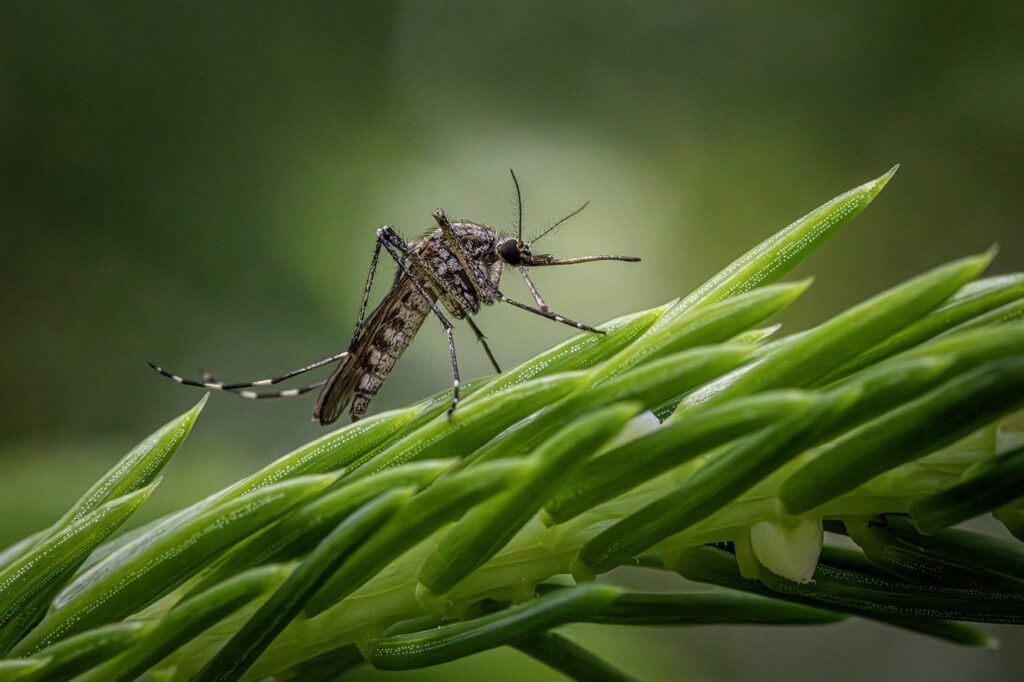
Pest control tackles mosquitoes using a diverse approach. It begins with detailed inspection to pinpoint breeding grounds in stagnant water. Larvicide treatment targets and eliminates mosquito larvae, disrupting their life cycle. Outdoor fogging techniques focus on adult mosquitoes in open areas using specialized equipment. Trapping and monitoring enable effective control by capturing and studying mosquito populations. Habitat modification plays an essential role by managing water sources and inviting natural predators like dragonflies to keep the mosquito population in check. The strategies combined form a thorough plan to combat mosquitoes effectively.
Genuine Pest Control is your professional provider of exterminating services. Call us today at (402) 300-8168 for reliable and affordable pest management.
Key Takeaways
- Mosquito surveillance identifies breeding sites for elimination.
- Larvicide treatment targets and kills mosquito larvae.
- Outdoor fogging techniques target adult mosquitoes in outdoor areas.
- Mosquito trapping captures mosquitoes for monitoring purposes.
- Habitat modification includes water management and natural predator attraction.
Mosquito Inspection and Assessment
When it comes to effectively managing mosquito populations, an initial first step is conducting a thorough inspection and evaluation of the area. Mosquito surveillance is important in identifying potential breeding grounds where these pests lay their eggs. Standing water, such as in ponds, puddles, or clogged gutters, serves as ideal breeding sites for mosquitoes. Inspecting and addressing these areas promptly is essential to preventing further mosquito infestations.
During the inspection process, professionals look for any signs of larvae or pupae in water containers, flower pots, or other places where water collects. Identifying and eliminating these breeding sites is crucial in reducing the mosquito population. Additionally, evaluating the overall landscape for areas with poor drainage or excessive vegetation can help in determining potential mosquito breeding grounds.
Larvicide Treatment for Mosquito Breeding Sites
Upon identifying potential mosquito breeding sites during the inspection process, one effective method of controlling mosquito populations is through larvicide treatment. Larvicides are chemicals specifically designed to target and kill mosquito larvae before they mature into adult mosquitoes. This proactive approach helps prevent future mosquito populations from developing in standing water sources such as ponds, bird baths, or clogged gutters.
Larvicide effectiveness is determined by the specific type of larvicide used, the application method, and the timing of treatments. It is essential to apply larvicides correctly and consistently to achieve best results in reducing mosquito populations.
Breeding site identification is a key step in implementing larvicide treatment. Pest control professionals are trained to recognize common mosquito breeding sites and assess the level of infestation. By targeting these areas with larvicides, they can disrupt the mosquito life cycle and prevent further breeding.
Outdoor Mosquito Fogging Techniques
To effectively combat adult mosquito populations in outdoor areas, pest control professionals often employ outdoor mosquito fogging techniques. This method involves the use of specialized equipment to disperse insecticides into the air, targeting adult mosquitoes in their resting and breeding sites. Aerial spraying is one common technique used for large outdoor areas, where insecticides are dispersed from aircraft to cover expansive regions efficiently.
Biological control is another approach that involves using natural predators or pathogens to control mosquito populations. This eco-friendly method targets mosquitoes at different stages of their life cycle, reducing their numbers effectively.
Vector control is essential in preventing the spread of mosquito-borne diseases. By targeting adult mosquitoes through thermal fogging, which involves the use of heat to create a fog that disperses insecticides, pest control professionals can notably reduce the population of disease-carrying mosquitoes in outdoor areas. These techniques help create safer and more enjoyable outdoor spaces for communities to enjoy.
Mosquito Trapping and Monitoring
How can we effectively monitor and trap mosquitoes to control their populations and reduce the risk of mosquito-borne diseases? Mosquito surveillance is an important aspect of understanding mosquito population dynamics and implementing effective pest control strategies.
To achieve this, pest control professionals utilize various methods such as:
- Trapping Techniques: Different types of traps, like gravid traps that attract egg-laying females, are used to capture mosquitoes for monitoring purposes. These traps help in evaluating the mosquito population in specific areas.
- Larval Surveys: Conducting regular surveys to identify and eliminate mosquito breeding sites like stagnant water sources is essential in controlling mosquito populations at their early stages of development.
- Genetic Monitoring: Utilizing genetic techniques to study mosquito populations helps in understanding their behavior, movement patterns, and potential disease transmission risks, enabling targeted control measures.
Habitat Modification for Mosquito Control
Effective habitat modification plays a pivotal role in controlling mosquito populations and minimizing the risk of mosquito-borne diseases. One key aspect of habitat modification for mosquito control is water management. Mosquitoes breed in stagnant water, so eliminating standing water sources like puddles, clogged gutters, or containers can significantly reduce their breeding grounds. Regularly changing the water in bird baths, flower pots, and pet bowls can also help prevent mosquito breeding.
Another natural approach to habitat modification involves encouraging the presence of natural predators of mosquitoes. Predators such as dragonflies, fish like Gambusia affinis (mosquito fish), and certain bird species feed on mosquito larvae, helping to keep their populations in check. Creating environments that attract these natural predators, such as adding fish to ornamental ponds or planting vegetation that attracts dragonflies, can aid in controlling mosquito populations in a sustainable and eco-friendly manner.
Frequently Asked Questions
How Long Does It Take for Mosquito Populations to Decrease After Treatment?
After treatment, the duration for mosquito populations to decrease varies based on treatment effectiveness. Typically, populations start declining within a few days to a week. To prevent population rebound, regular treatments are recommended to maintain control.
Are There Any Natural Remedies That Can Help Repel Mosquitoes?
Natural repellents such as essential oils like citronella, lavender, and eucalyptus have been known to help repel mosquitoes. These remedies can be effective in creating a barrier against mosquitoes, reducing the need for chemical-based pest control methods.
Can Mosquitoes Develop Resistance to Chemical Treatments Over Time?
Just as a seasoned warrior adapts to new foes, mosquitoes can evolve resistance to chemical treatments over time through genetic modification. To combat this, exploring alternative solutions and strategies is essential for effective pest control management.
Do Mosquito Control Methods Harm Beneficial Insects Like Bees?
When considering mosquito control methods, it is crucial to prioritize pollinator protection. To minimize harm to beneficial insects like bees, eco-friendly alternatives should be utilized. Implementing integrated pest management strategies can effectively target mosquitoes while safeguarding pollinators.
What Are the Risks of Mosquito-Borne Diseases After Treatment?
Public health is paramount in disease prevention post-treatment. Risks of mosquito-borne diseases may persist despite control efforts, emphasizing the need for ongoing vigilance and monitoring to safeguard communities from potential health threats.


