
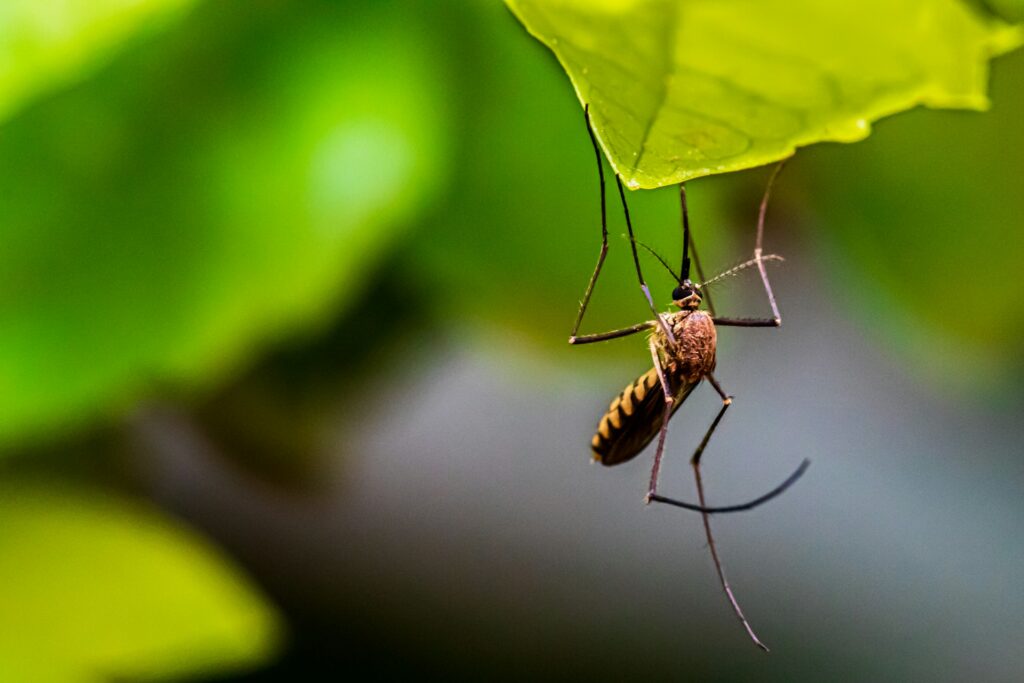
To control mosquitoes effectively, start by eliminating standing water, a favored breeding ground. Regularly check surroundings for sources like birdbaths, clogged gutters, and flowerpots. Next, consider using mosquito repellents, which come in various forms and can include both chemical-based and natural options. Chemical repellents offer longer protection, while natural alternatives like citronella are eco-friendly. Installing bug zappers can help reduce adult mosquito populations by attracting them with light to an electric grid. For an all-encompassing mosquito management, combining these methods provides a more thorough approach.
Genuine Pest Control is your professional provider of exterminating services. Call us today at (402) 300-8168 for reliable and affordable pest management.
Key Takeaways
- Eliminate standing water to reduce mosquito breeding grounds.
- Use mosquito repellents like sprays or natural oils.
- Install bug zappers to attract and eliminate adult mosquitoes.
- Regularly check for water sources like birdbaths and flowerpots.
- Combine methods for comprehensive mosquito control.
Eliminating Standing Water
Standing water acts as a breeding ground for mosquitoes, making it vital to eliminate any stagnant water sources in and around your property. Mosquitoes lay their eggs in standing water, and within a short time, these eggs hatch into larvae, continuing the life cycle. To prevent this, regularly check your surroundings for any potential water sources that could harbor mosquito larvae. Common water sources include birdbaths, clogged gutters, flowerpots, and discarded tires. By removing or properly maintaining these water sources, you can significantly lessen the mosquito population around your home.
Keeping your property free of standing water is pivotal in the fight against mosquitoes. By taking simple steps such as regularly emptying containers that collect water, covering outdoor containers, and maintaining proper drainage, you can deprive mosquitoes of their breeding grounds. This proactive approach not only protects you, your family, and your neighbors from pesky mosquito bites but also contributes to the overall efforts in controlling mosquito populations and reducing the risk of mosquito-borne diseases.
Using Mosquito Repellents
To effectively combat mosquitoes and reduce the risk of bites and potential diseases, using mosquito repellents is a recommended method. Mosquito repellents come in various forms such as sprays, lotions, and candles, providing protection against these pesky insects. While chemical-based repellents are commonly used and effective, there are also natural alternatives that can be just as efficient in warding off mosquitoes.
Natural alternatives like citronella, eucalyptus, and lavender oils are known for their mosquito-repelling properties. These options offer a safer and environmentally friendly choice for individuals seeking alternatives to chemical repellents. Although natural repellents may require more frequent application compared to their chemical counterparts, they provide a long-term solution that minimizes exposure to potentially harmful substances.
When selecting mosquito repellents, it is essential to take into account factors such as effectiveness, duration of protection, and personal preferences. By incorporating natural alternatives and long-term solutions into your mosquito control strategy, you can create a more sustainable approach to safeguarding against mosquito bites and the diseases they may carry.
Installing Bug Zappers
Positioned strategically in outdoor spaces, bug zappers are electronic devices designed to attract and eliminate flying insects, including mosquitoes. These devices work by emitting ultraviolet light to draw insects towards an electric grid that zaps them upon contact. Bug zappers are often praised for their effectiveness in reducing mosquito populations in the vicinity. However, it is essential to note that bug zappers may not be the most efficient method of mosquito control, as they mainly target adult mosquitoes and do not address larvae or breeding sites.
While bug zappers can help reduce the number of mosquitoes in a specific area, combining their use with alternative mosquito control methods such as removing standing water where mosquitoes breed, using mosquito repellents, and employing mosquito traps may result in a more thorough mosquito management. By understanding the limitations of bug zappers and integrating them into a broader mosquito control strategy, individuals can better protect themselves from mosquito-borne diseases and enjoy their outdoor spaces with greater peace of mind.
Frequently Asked Questions
How Do Weather Conditions Affect Mosquito Populations?
Weather conditions can greatly influence mosquito populations, acting as a silent conductor orchestrating their movements. The climate impact on population dynamics is profound, altering breeding habitats, flight patterns, and survival rates, ultimately shaping the ebb and flow of mosquito numbers.
Can Planting Certain Plants Help Repel Mosquitoes Naturally?
Certain plants can act as natural deterrents against mosquitoes. Plant repellents like citronella, lavender, and marigolds can help repel mosquitoes naturally. These plants emit scents that mosquitoes find unpleasant, making them effective in keeping these pests at bay.
What Are the Risks Associated With Mosquito-Borne Diseases?
Disease prevention through mosquito control is crucial for public health. Risks associated with mosquito-borne diseases include malaria, dengue fever, Zika virus, and West Nile virus. Implementing effective control measures can reduce the spread of these diseases.
Are There Any Home Remedies to Control Mosquito Populations?
When seeking natural solutions to control mosquito populations, consider using DIY traps. A simple example involves setting up a homemade mosquito trap using a mixture of water, sugar, and yeast to attract and capture mosquitoes.
What Impact Do Mosquitoes Have on the Ecosystem?
Mosquitoes impact the ecosystem as disease vectors, transmitting illnesses like malaria and encephalitis. They also serve as a food source for various animals, contributing to the food chain. Balancing their control with ecosystem health is vital.


