
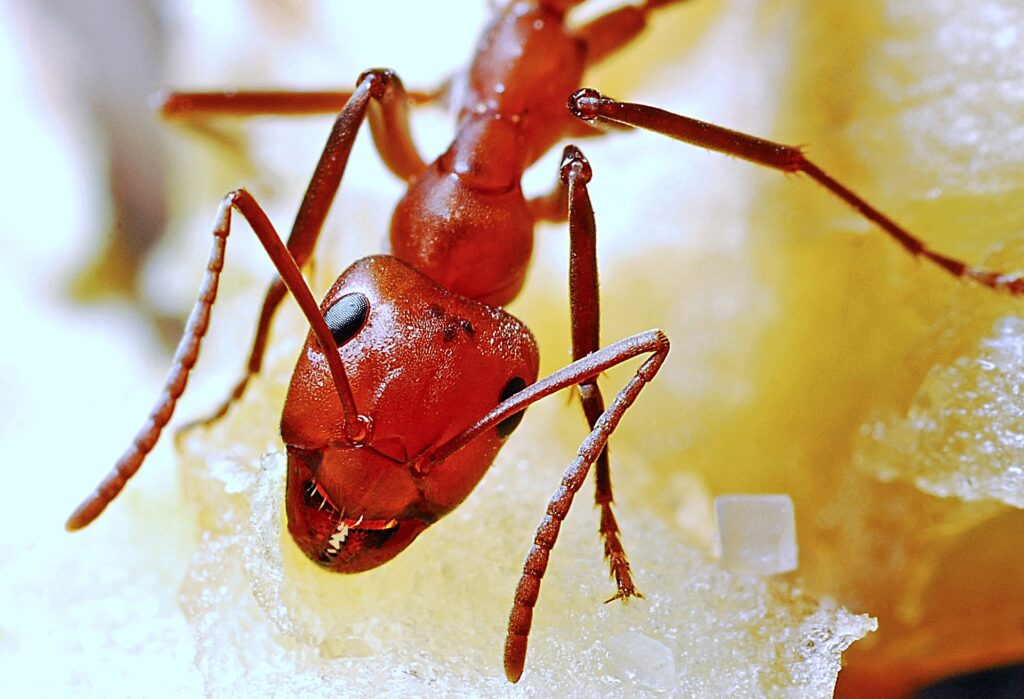
For a natural ant repellent, consider peppermint oil as a strong-smelling option that is safe around pets and kids. Vinegar disrupts ants' communication when used as a spray. Cinnamon sticks positioned at entry points also help. Lemon juice's acidity creates an unwelcome environment for ants. Safety-wise, avoid toxic substances like borax and consider safe options like diatomaceous earth. Citrus peels and white vinegar can also deter ants effectively. Coffee grounds are eco-friendly and help manage infestations. Exploring these natural solutions can aid in keeping your home ant-free while being mindful of your family's well-being.
Genuine Pest Control is your professional provider of exterminating services. Call us today at (402) 300-8168 for reliable and affordable pest management.
Key Takeaways
- Peppermint oil: Strong aroma, safe for pets, effective repellent.
- Vinegar spray: Disrupts communication, cost-effective, combine with other deterrents.
- Cinnamon sticks: Position at entry points, disrupts ant communication.
- Lemon juice: Non-toxic, high acidity, masks pheromone trails.
Peppermint Oil
Peppermint oil is a natural repellent that can effectively deter ants from entering your home. Its benefits extend beyond just being a pleasant scent. This essential oil is known for its strong aroma, which ants find overpowering and unpleasant, deterring them from crossing certain boundaries. To apply peppermint oil as an ant repellent, simply mix a few drops of the oil with water in a spray bottle and then spray it along entry points, such as windowsills, doorways, and baseboards.
When using peppermint oil, it is vital to consider its safety and effectiveness. Unlike chemical insecticides, peppermint oil is non-toxic and safe for use around pets and children. This makes it an ideal choice for those seeking natural pest control solutions. Additionally, peppermint oil is effective in repelling ants, discouraging them from entering your living spaces. By utilizing this natural repellent, you can create a barrier that not only keeps ants at bay but also provides a invigorating aroma throughout your home.
Vinegar Spray
Let's explore the effectiveness of vinegar spray as a natural repellent for ants. This section will cover how to apply vinegar as a repellent, its effectiveness in keeping ants away, and the duration for which it remains effective.
Vinegar as Repellent
When considering natural repellents for ants, one effective option to explore is using vinegar as a repellent in the form of a vinegar spray. Vinegar is known for its strong odor, which disrupts the ants' ability to communicate and navigate, deterring them from entering your living spaces. To create a vinegar spray, simply mix equal parts of water and vinegar in a spray bottle and apply it along entry points, trails, and any areas where ants are present. This DIY solution is not only cost-effective but also safe for your family, pets, and the environment, making it a popular choice among those seeking eco-friendly options.
In addition to using vinegar as a spray repellent, consider combining it with other natural deterrents like DIY traps and homemade ant bait. By incorporating these methods into your ant control strategy, you can effectively manage ant infestations while minimizing the use of harmful chemicals in your home.
How to Apply
To apply the vinegar spray effectively, make certain to evenly coat the designated areas where ants are present or may enter your living spaces. Vinegar, a common household item, can be used as a natural solution to repel ants due to its strong scent that disrupts their ability to communicate and navigate. To create a DIY repellent, mix equal parts of water and vinegar in a spray bottle. Shake well before use to make certain the solution is properly mixed. When applying the vinegar spray, focus on entry points such as windows, doors, and cracks in walls where ants are likely to enter. Additionally, spray along baseboards, countertops, and any areas where ants have been seen. Reapply the vinegar spray every few days or after cleaning to maintain its effectiveness. By using this natural solution and applying it strategically, you can help deter ants from invading your living spaces effectively.
Effectiveness and Duration
The effectiveness of using vinegar spray as a natural repellent for ants can vary depending on the concentration of the solution and the thoroughness of application. Vinegar contains acetic acid, which disrupts ants' scent trails, making them lose their way and deterring them from entering spaces. The duration of effectiveness of vinegar spray as an ant repellent is relatively short compared to commercial chemical sprays. Due to the natural ingredients in vinegar, it is safer for the environment and poses fewer risks to pets and humans.
For best results, it is recommended to reapply the vinegar spray every few days or after rain, as it may wash away. Regular application frequency is essential to maintain the repellent effect. DIY solutions like vinegar sprays provide an eco-friendly alternative to harsh chemicals, making them a popular choice for those seeking natural pest control options. While vinegar spray may not offer long-lasting protection, its effectiveness and affordability make it a practical choice for managing ant infestations in a more sustainable manner.
Cinnamon Sticks
Cinnamon sticks are a natural ant repellent that can be strategically positioned to deter ants from entering specific areas within the home. Cinnamon offers various benefits as an ant repellent and can be applied through different methods. Here are some key points to keep in mind:
- Benefits of Cinnamon: Cinnamon has a potent aroma that disrupts ants' ability to communicate and navigate, making it an effective deterrent.
- Application Methods: Position cinnamon sticks near entry points, cracks, or areas where ants are commonly seen to establish a barrier that ants will avoid.
- Effectiveness of Peppermint Oil: Peppermint oil is another natural ant repellent that can be used alongside cinnamon sticks for improved effectiveness.
Lemon Juice
Let's explore the effectiveness of using lemon juice as a natural repellent for ants, along with various application methods and important safety considerations to keep in mind when using this citrus-based solution. By understanding how lemon juice can deter ants, you can implement appropriate strategies to keep these pests at bay in a safe and eco-friendly manner. Taking into account safety precautions and application techniques can enhance the efficiency of using lemon juice as a natural ant repellent.
Lemon Juice Effectiveness
When contemplating natural repellents for ants, lemon juice has shown promising effectiveness in deterring these pests. Lemon juice contains citric acid, which disrupts ants' ability to follow scent trails, making it an excellent option for keeping them at bay. Some key points to ponder about the effectiveness of lemon juice as an ant repellent include:
- Natural Alternatives: Lemon juice is a safe and non-toxic alternative to chemical insecticides, making it a preferred choice for those seeking environmentally friendly solutions.
- DIY Solutions: Easily accessible and affordable, lemon juice can be conveniently used in DIY ant-repellent sprays or solutions at home.
- Acidity: The high acidity of lemon juice makes it an inhospitable environment for ants, deterring them from entering your living spaces.
Application Methods
Effective application methods for utilizing lemon juice as a natural alternative for pest control include straightforward techniques that can be easily implemented at home. To create a barrier that ants will avoid, simply squeeze fresh lemon juice into small cracks, crevices, or entry points where ants are entering your home. Lemon juice can also be mixed with water in a spray bottle and used to coat surfaces where ants are frequently seen. Additionally, placing lemon peels near ant trails or nests can help deter them from entering specific areas.
When using lemon juice for pest control, it is important to reapply the solution regularly, especially after cleaning or when the scent starts to fade. Lemon juice application is safe for use around children and pets, making it an excellent choice for those looking for natural alternatives to chemical pesticides. By incorporating lemon juice into your pest control routine, you can effectively deter ants while maintaining a safe and eco-friendly environment in your home.
Safety Considerations
Moving on to safety considerations regarding the use of lemon juice as a natural repellent for ants, it is important to be aware of potential risks or precautions associated with this method. When using lemon juice as an ant repellent, keep the following safety considerations in mind:
- Safe alternatives: While lemon juice is generally safe, consider using other natural repellents like peppermint oil or vinegar for a milder option.
- Environmental impact: Lemon juice is environmentally friendly, but excessive use may affect certain surfaces or plants. Dilute it to reduce any adverse effects.
- Application techniques: When applying lemon juice, avoid direct contact with eyes or sensitive skin. Use gloves or wash hands thoroughly after use.
Borax Solution
A borax solution is a commonly recommended natural remedy for deterring ants from entering homes. When using borax to repel ants, it is essential to take precautions. Borax can be toxic if ingested by humans or pets, so it should be used carefully, especially in households with children or animals. To create a borax solution, mix equal parts of borax and sugar, as sugar attracts the ants while the borax acts as a poison. Place small amounts of this mixture in areas where ants are entering, making sure to keep it out of reach of children and pets.
If you prefer to avoid using borax due to safety concerns, there are natural alternatives available for ant prevention. Some DIY solutions include using vinegar, essential oils like peppermint or tea tree oil, or a mixture of water and dish soap. These alternatives are safer options for households with kids and pets, while still effectively deterring ants from invading your living space.
Cayenne Pepper
Cayenne pepper is a natural ingredient known for its ability to deter ants from entering your home. It contains a compound called capsaicin, which disrupts ants' scent trails and keeps them away. Here are some ways you can use cayenne pepper as an ant repellent:
- Cayenne Pepper Spray: Mix cayenne pepper with water and spray it along entry points to create a barrier that ants dislike.
- Cayenne Pepper Powder: Sprinkle cayenne pepper powder in areas where ants are present to deter them.
- Health Benefits: Apart from repelling ants, cayenne pepper has health benefits such as boosting metabolism and aiding digestion.
Diatomaceous Earth
Diatomaceous Earth, a natural substance composed of fossilized diatoms, is an effective and non-toxic solution for deterring ants from entering your living spaces. One of the key benefits of diatomaceous earth is its ability to dehydrate insects, including ants, by absorbing the oils and fats from their exoskeletons. This process ultimately leads to the ants' demise without the use of harmful chemicals, making it a safe option for households with pets and children.
When using diatomaceous earth as an ant repellent, it is vital to apply a thin, continuous line of the powder along entry points such as windowsills, doorways, and cracks where ants are likely to enter. Reapply the powder after rain or heavy moisture to guarantee its effectiveness. Additionally, consider placing diatomaceous earth near ant colonies or nest sites for better control.
Citrus Peels
Citrus peels can serve as a natural deterrent for ants in your home. These simple DIY ant deterrents offer an eco-friendly method to keep ants at bay while also utilizing natural solutions. Here are some ways you can use citrus peels to prevent ants from invading your living spaces:
- Citrus Peels Barrier: Place citrus peels near entry points where ants may be entering your home to create a barrier they are less likely to cross.
- Citrus Peel Spray: Create a citrus-infused spray by boiling citrus peels in water, then allow it to cool and spray it along ant trails or areas where ants frequent.
- Fresh Citrus Peel Sachets: Place fresh citrus peels in small sachets and position them strategically around the house to deter ants.
Coffee Grounds
Coffee grounds are not just for brewing your morning cup of coffee; they can also serve as a natural repellent against ants. The benefits of using coffee grounds include their strong scent that deters ants from entering your home. To use coffee grounds as an ant repellent, simply sprinkle them around entry points and areas where ants are present, and experience their effectiveness firsthand.
Benefits of Coffee Grounds
Ground coffee can serve as a useful natural repellent for ants due to its strong aroma and abrasive texture. When used in the garden or around the house, coffee grounds offer several benefits beyond just keeping ants away. Here are some of the advantages of using coffee grounds:
- Garden Fertilizer: Coffee grounds are rich in nutrients like nitrogen, potassium, and phosphorus, making them an excellent natural fertilizer for plants. They can help improve soil quality and promote healthy plant growth.
- Composting Benefits: Coffee grounds are a valuable addition to compost piles as they are a good source of organic material. They help speed up the composting process and enrich the resulting compost with essential nutrients.
- Natural Pest Repellent: Apart from ants, coffee grounds can also deter other pests like slugs, snails, and even cats due to their strong scent.
How to Use
Utilize coffee grounds effectively by incorporating them into your gardening routine to benefit from their natural repellent properties against ants and other pests. To create DIY traps, scatter coffee grounds around entry points where ants are likely to invade your home or garden. The strong scent of coffee grounds acts as a deterrent, keeping ants at bay. Additionally, you can mix coffee grounds with essential oils like peppermint, cinnamon, or citrus oils to enhance their repellent effect.
For outdoor use, consider creating natural barriers by outlining your garden beds or pathways with coffee grounds. This acts as a preventive measure, deterring ants from entering your garden and nesting near your plants. Reapply the coffee grounds regularly, especially after rain, to maintain their effectiveness.
Incorporating coffee grounds into your gardening practices not only helps in repelling ants but also enriches the soil with nutrients as the grounds decompose. By following these simple steps, you can harness the natural repellent properties of coffee grounds to keep ants away from your living spaces.
Effectiveness Against Ants
The effectiveness of using coffee grounds as a natural repellent against ants has been proven through their strong scent acting as a deterrent. Coffee grounds contain natural ingredients that ants find repulsive, making them an effective alternative to chemical insect repellents. When used as a barrier near entry points, such as doors and windows, coffee grounds can help deter ants from entering homes. Additionally, the acidic nature of coffee grounds disrupts the chemical trails ants use to communicate, further deterring them from invading living spaces. DIY insect repellents like coffee grounds provide a safe and eco-friendly option for pest control, reducing the need for harmful chemicals in the environment. Incorporating coffee grounds into homemade solutions for ant infestations can effectively manage the problem while being kind to the planet.
White Vinegar
White vinegar is commonly used as a natural repellent for ants due to its strong scent and acidic properties. Its benefits include being readily available, affordable, and non-toxic compared to chemical sprays. The strong odor of white vinegar disrupts ants' pheromone trails, deterring them from entering homes or specific areas.
As a natural repellent, white vinegar offers a safer alternative for households with children and pets. Additionally, it can be easily mixed with water and other essential oils to enhance its repellent properties. When compared to other natural repellents like peppermint oil or citrus sprays, white vinegar stands out for its simplicity and effectiveness.
For those seeking natural ways to keep ants at bay, incorporating white vinegar into cleaning routines or spraying it along entry points can help prevent infestations. While there are alternative natural repellents available, white vinegar remains a popular choice for its accessibility and proven track record in deterring ants.
Frequently Asked Questions
Can These Natural Repellents Harm My Pets?
When considering natural repellents, it's important to prioritize pet safety. Look for eco-friendly options that are effective against pests but pose minimal risks to pets. Always consult with a veterinarian for guidance on pet-safe repellents.
Will These Solutions Stain My Furniture or Surfaces?
Ensuring surface protection and stain prevention is essential when utilizing natural remedies for ant repellent. Safeguard your furniture by testing solutions on inconspicuous areas first. Consider using protective barriers like trays or liners for added furniture care.
How Often Do I Need to Reapply the Repellents?
To maintain repellent effectiveness, it is advisable to reapply natural solutions for ant control every 1-2 weeks. Factors like weather conditions and ant activity levels may influence the frequency of application.
Are These Natural Repellents Safe to Use Around Food?
When considering natural repellents for ants around food, it's important to prioritize food safety by opting for non-toxic options. Guarantee the repellents are effective, environmentally friendly, and applied strategically to minimize any potential impact on food safety and the environment.
Do These Remedies Work on All Types of Ants?
When considering the effectiveness of natural repellents on different ant species, it is essential to evaluate their performance indoors and outdoors. Understanding the varying responses to remedies can aid in selecting the most suitable solution.


