
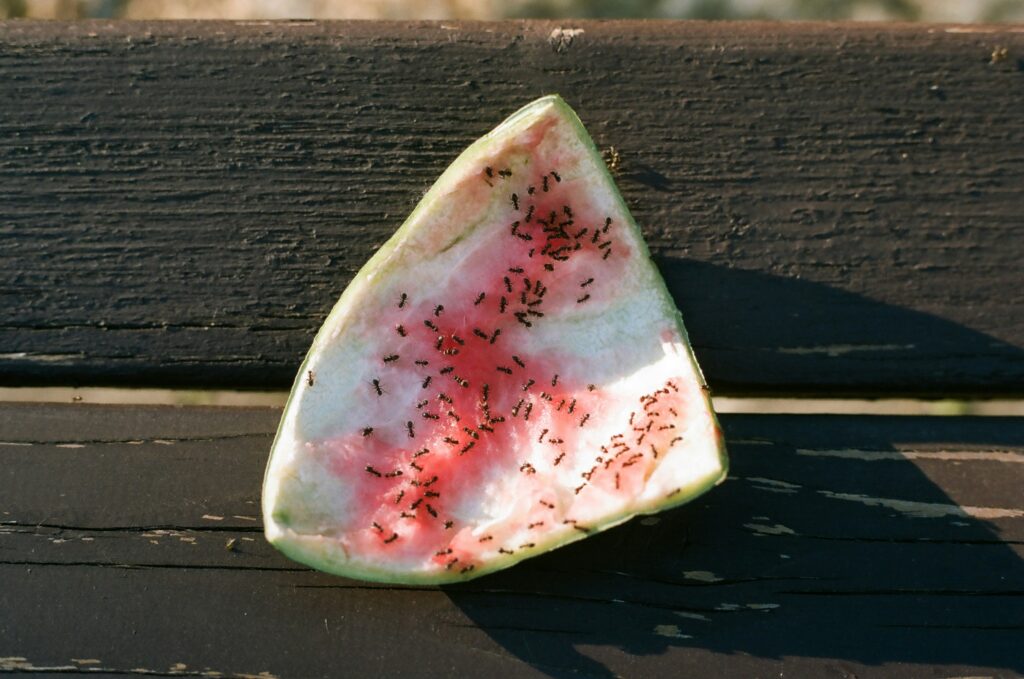
For the best homemade ant killer, opt for natural remedies like borax and sugar, vinegar and water, lemon juice spray, peppermint essential oil, cinnamon barrier, and diatomaceous earth. Borax and sugar mixed in bait stations effectively eliminate ants but are safe for humans and pets. Vinegar and water create a simple ant-repellent spray, while lemon juice disrupts ants' pheromone trails. Peppermint essential oil interferes with ants' communication, and cinnamon acts as a natural repellent. Additionally, diatomaceous earth, a food-grade insecticide, is harmless to humans and pets when applied appropriately. These methods offer safe and efficient alternatives to chemical ant killers.
Genuine Pest Control is your professional provider of exterminating services. Call us today at (402) 300-8168 for reliable and affordable pest management.
Key Takeaways
- Borax and sugar mixture is an effective natural ant killer safe for humans and pets.
- Vinegar and water spray repels ants safely and affordably.
- Lemon juice disrupts ants' trails as a citrus repellent.
- Peppermint essential oil acts as a natural ant repellent with a pleasant aroma.
Borax and Sugar
Combining borax and sugar creates an effective homemade ant killer solution. This DIY ant bait is a natural pest control method that can help eliminate ants from your home without the use of harsh chemicals. Borax, a mineral compound, is toxic to ants but safe for humans and pets in small amounts. When mixed with sugar, it acts as bait to attract the ants. The sugar entices the ants to consume the mixture, while the borax works to kill them.
To make this homemade ant killer, mix equal parts of borax and sugar in a shallow dish or container. Place these bait stations in areas where you have seen ant activity. It is important to keep these baits out of reach of children and pets. Additionally, avoid placing them directly on surfaces where food is prepared.
Vinegar and Water
Vinegar and water can be combined to create a natural solution for repelling ants in your home. This simple DIY method is effective and safe for households looking for natural repellents. Here are three reasons why vinegar and water can help you combat ant invasions:
- Easy to Make: Mixing vinegar and water to create an ant-repellent spray is a quick and straightforward process that anyone can do at home.
- Affordable: Vinegar is a common household item that is cost-effective and readily available. Using this solution can be a budget-friendly way to tackle ant problems without the need for expensive products.
Lemon Juice Spray
To deter ants naturally, consider utilizing a lemon juice spray as an effective homemade solution. Lemon juice contains citric acid, which acts as a citrus repellent, deterring ants from entering your home. The strong scent of lemon disrupts the ants' pheromone trails, making it difficult for them to navigate and communicate with each other.
While lemon juice is a popular choice for its effectiveness, there are also alternative citrus options you can explore. Orange peels, grapefruit juice, or even a mixture of different citrus fruits can be used as substitutes for lemon juice. These alternatives provide a similar citrusy scent that ants find unpleasant, helping to keep them at bay.
When using a lemon juice spray, simply mix fresh lemon juice with water in a spray bottle and apply it along entry points, countertops, and any areas where ants are present. Reapply the spray regularly, especially after cleaning, to maintain its effectiveness in deterring ants.
Peppermint Essential Oil
Peppermint essential oil is a natural ant repellent known for its pleasant scent and effectiveness in deterring ants. Its strong fragrance disrupts the ants' ability to communicate and navigate, making it an excellent choice for keeping them at bay. Applying diluted peppermint oil around entry points or creating a barrier with it can help prevent ants from invading your home.
Benefits of Peppermint
The invigorating scent of peppermint essential oil not only purifies the air but also serves as a potent natural deterrent against ants. Peppermint offers various benefits beyond just its pleasant aroma. Here are three compelling reasons to incorporate peppermint into your ant control strategy:
- Natural Remedies: Peppermint is a natural insect repellent that can help keep ants at bay without the need for harsh chemicals.
- Aromatherapy Benefits: In addition to repelling ants, the scent of peppermint can promote a sense of calm and relaxation, making your home a more pleasant place to be.
Application Methods
Utilizing peppermint essential oil for ant control can be effectively achieved through various application methods. One common method is through spray application. By diluting peppermint essential oil with water and spraying it along ant trails or entry points, you can create a barrier that deters ants due to its strong aroma. This method is not only convenient but also demonstrates quick effectiveness in repelling ants.
Another effective application method is through granule application. Mixing peppermint essential oil with natural granules like sugar or cornmeal and placing these near ant nests or areas of activity can yield long-term results. The granules act as carriers for the peppermint oil, slowly releasing its fragrance over time. This gradual release guarantees that the area remains protected from ants for an extended period, offering a sustainable solution to ant infestations.
Both spray and granule applications of peppermint essential oil can be efficient in controlling ants, providing a natural and safe alternative to chemical insecticides.
Cinnamon Barrier
Cinnamon is recognized for its ability to repel ants, making it a potent natural deterrent against these pests. Establishing a cinnamon barrier entails forming a line of cinnamon at entry points and areas where ants are found. To uphold the barrier's effectiveness, it is crucial to regularly renew the cinnamon to maintain its strength in discouraging ants.
Cinnamon's Ant-Repelling Properties
One effective natural method for deterring ants from entering your home involves creating a barrier using the aromatic spice, cinnamon. Cinnamon offers various benefits for ant control and is a popular choice among those seeking natural remedies for ant infestations. Here are three reasons why cinnamon is a great option for repelling ants:
- Natural and Safe: Cinnamon is a natural ingredient that is safe to use around pets and children, making it an excellent choice for households looking for non-toxic ant control methods.
- Strong Scent Barrier: Ants are repelled by the strong scent of cinnamon, making it an effective deterrent to keep them away from entering your living spaces.
How to Set up
To establish a cinnamon barrier effectively, begin by identifying the entry points where ants are most likely to enter your home. Common entry points include cracks in walls, gaps around windows, and doors. Once you have identified these areas, you can proceed to set up the cinnamon barrier.
For this DIY ant prevention method, sprinkle ground cinnamon generously along the entry points and any trails you may have noticed ants using. The strong scent of cinnamon acts as a natural repellent, deterring ants from crossing the barrier. Not only is this method effective, but it also offers a non-toxic option to keep ants at bay without harming them or using harsh chemicals in your living space.
In addition to the cinnamon barrier, you can also explore other natural repellents like citrus peels, vinegar, or essential oils. By incorporating these non-toxic options into your pest control routine, you can create a more holistic approach to managing ant infestations while maintaining a safe environment for your family.
Maintaining the Barrier
Regularly examining and replenishing the ground cinnamon barrier along entry points and ant trails is vital for maintaining its effectiveness in deterring ants. To sustain the cinnamon barrier as a natural remedy and environmentally friendly solution for ant control, consider the following tips:
- Reapply After Rain: Heavy rainfall can wash away the cinnamon barrier, diminishing its strength. Reapply ground cinnamon along the ant trails and entry points after any significant rain to retain its efficacy.
- Check for Gaps: Inspect the barrier regularly for any breaks or openings. Ants are persistent creatures and can navigate through even the tiniest gaps. Fill in any breaches in the cinnamon barrier to reinforce its defense against ant invasions.
Diatomaceous Earth
Considered an effective natural insecticide, diatomaceous earth is a popular choice for controlling ants in a non-toxic manner. This fine powder, made from fossilized aquatic organisms, works by dehydrating insects upon contact, including ants, making it a natural pest control solution. When using diatomaceous earth for ant control, it is essential to opt for the food-grade version, ensuring it is safe to use around food preparation areas and pets.
To apply diatomaceous earth, simply sprinkle a thin layer along ant trails, around entry points, or directly on ant hills. As ants come into contact with the powder, it adheres to their bodies, absorbing the oils and fats from their exoskeletons, ultimately leading to their demise. While diatomaceous earth is harmless to humans and pets, it is important to wear a mask when applying it to avoid inhaling the fine particles.
Frequently Asked Questions
Can These Homemade Ant Killers Harm Pets or Children?
Ensuring pet safety when using homemade ant killers is essential. Prioritize effectiveness while choosing child-friendly options. Proper application techniques, like placing baits out of reach, can minimize risks to children and pets. Always consider safety measures.
How Often Should I Reapply These Natural Remedies?
To guarantee the effectiveness of natural ant killer remedies, reapplication frequency is key. Generally, it's recommended to reapply every few days or as needed. Safety precautions are essential to protect pets and children. Alternative methods include professional pest control services.
Will These Methods Attract More Ants Before Eliminating Them?
To address potential drawbacks in pest control methods, it's important to bear in mind that some remedies might attract more ants initially. To prevent this, focus on sealing entry points, removing food sources, and maintaining a clean environment.
Can These Solutions Be Used Indoors and Outdoors?
Indoor effectiveness of homemade ant killers varies based on ingredients used. For outdoor application, solutions like vinegar or citrus oils can deter ants effectively. Safety precautions include keeping solutions away from pets and children.
Are These Remedies Effective Against All Types of Ants?
When considering the effectiveness of homemade ant killers, it's important to acknowledge that different types of ants exhibit varying behaviors and may have natural predators that impact their response to remedies.


