
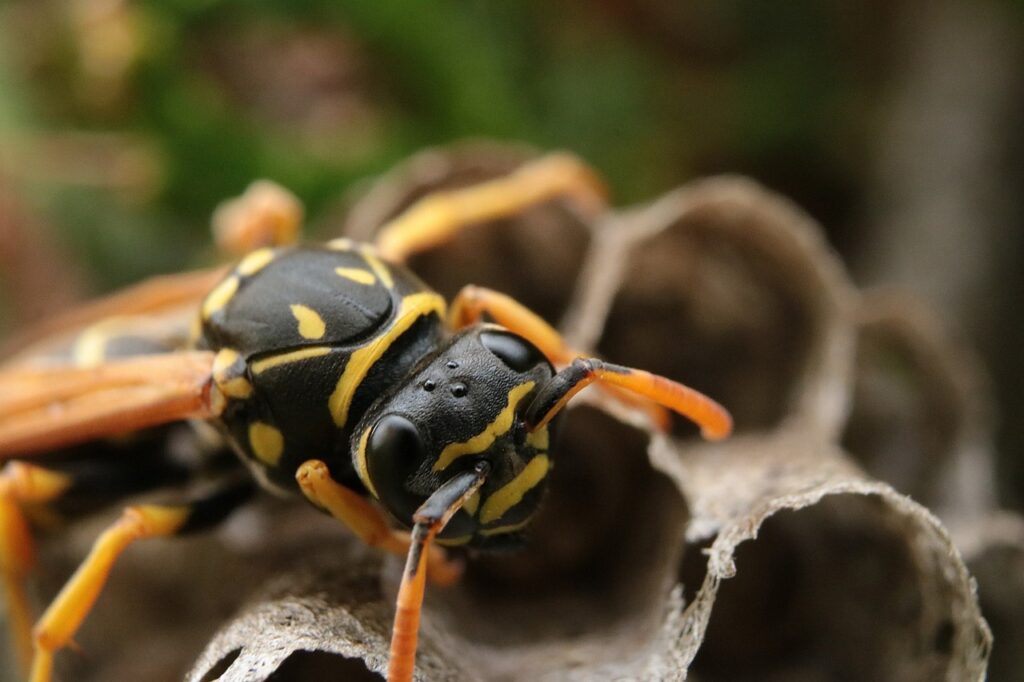
To deter yellow jackets naturally, consider using scents like citrus, peppermint, eucalyptus, lemongrass, lavender, cinnamon, clove, tea tree, thyme, and geranium. Citrus fruits, lemon balm, and dry orange peels emit odors that repel yellow jackets. Peppermint disrupts their ability to find food, while eucalyptus provides an eco-friendly option. Lemongrass and lavender offer long-lasting effects, and cinnamon helps in averting their aggressive behavior. Clove serves as an easy pest control method, and tea tree oil not only repels but also soothes insect bites. Thyme and geranium, when grown or used as essential oils, effectively ward off yellow jackets.
Genuine Pest Control is your professional provider of exterminating services. Call us today at (402) 300-8168 for reliable and affordable pest management.
Key Takeaways
- Citrus scents like lemon and orange repel yellow jackets naturally.
- Peppermint's strong scent deters yellow jackets effectively.
- Eucalyptus oil disrupts yellow jackets' presence with its fragrance.
- Lemongrass emits a strong citrus scent to keep yellow jackets away.
- Lavender's pleasant aroma acts as a non-toxic repellent for yellow jackets.
Citrus
Citrus fruits, such as lemons and oranges, can be effective in keeping yellow jackets away. These fruits contain natural oils that yellow jackets find unpleasant, deterring them from coming near. One way to utilize citrus for this purpose is by using lemon balm, a member of the mint family that emits a strong citrus scent. Yellow jackets are repelled by this aroma, making it an excellent natural repellent. Another method is to save your orange peels after eating the fruit. Dry the peels and scatter them in areas where yellow jackets tend to gather, such as near outdoor eating areas or trash cans. The strong citrus smell from the orange peels acts as a deterrent to these insects, helping to keep them at bay. By incorporating lemon balm and orange peel into your outdoor spaces, you can effectively ward off yellow jackets and create a more enjoyable environment for yourself and others.
Peppermint
As we shift our attention to peppermint in the area of deterring yellow jackets, it's crucial to recognize the plant's natural repellent properties. Peppermint releases a scent that yellow jackets find disagreeable, making it a useful tool for keeping them away. Moreover, peppermint oil can be used as a strong deterrent, providing a natural and fragrant solution to repel these buzzing pests.
Peppermint Repels Yellow Jackets
Peppermint is known to be a natural deterrent for yellow jackets, offering a non-toxic solution to keep these stinging insects at bay. The strong scent of peppermint disrupts the insects' ability to locate food sources and can drive them away from your home or outdoor gathering areas. Here are some simple ways to use peppermint to repel yellow jackets:
- Create a DIY peppermint spray by mixing water with a few drops of peppermint essential oil. Spray this solution around entry points, outdoor eating areas, or places where yellow jackets are frequently seen.
- Plant peppermint in your yard or garden to naturally deter yellow jackets. The strong aroma of the plant can help keep these pests away from your outdoor spaces.
- Place cotton balls soaked in peppermint oil near areas where yellow jackets are a nuisance. The scent will discourage them from building nests or lingering in the area.
Benefits of Peppermint Oil
The aromatic essence of peppermint extends beyond its ability to repel yellow jackets, offering a range of benefits that make it a valuable addition to your natural remedies arsenal. Peppermint oil is known for its various uses and effectiveness in promoting overall well-being. It can help relieve headaches, soothe muscle aches, and improve digestion. When applied topically, peppermint oil can provide a cooling sensation that eases discomfort.
Incorporating peppermint oil into your DIY recipes can enhance the benefits of your creations. Whether added to homemade cleaning products for its invigorating scent or mixed into skincare products for its stimulating properties, peppermint oil can elevate the effectiveness of your formulations. When using peppermint oil, it's crucial to dilute it properly to avoid skin irritation.
Applying peppermint oil using techniques like aromatherapy diffusers or diluted in carrier oils for massage can help you experience its full benefits. By harnessing the power of peppermint oil, you can enjoy its versatile uses and effectiveness in supporting your health and well-being.
Eucalyptus
Eucalyptus is a popular natural remedy known for its various benefits, including its insect-repellent properties. Eucalyptus oil, derived from the leaves of the eucalyptus tree, has been used for centuries for its effectiveness in keeping pests like yellow jackets at bay. Its strong scent acts as a deterrent, making it a useful tool in warding off unwanted insects.
Eucalyptus Oil Benefits
With its numerous benefits and versatile uses, eucalyptus oil has long been a staple in natural remedies and aromatherapy practices. This essential oil not only offers a invigorating scent but also serves various purposes, including bug repellent and pest control. Here are some of the key benefits of eucalyptus oil:
- Natural Bug Repellent: Eucalyptus oil is known for its ability to repel insects like mosquitoes, flies, and ants, making it a great alternative to chemical-based repellents.
- Aromatherapy: The revitalizing aroma of eucalyptus oil can help improve focus, reduce stress, and promote relaxation when used in diffusers or massage oils.
- Antimicrobial Properties: Eucalyptus oil possesses antimicrobial properties that can help fight off bacteria and viruses, making it a valuable addition to homemade cleaning products.
Eucalyptus Repellent Effectiveness
Given the versatile nature of eucalyptus oil, its effectiveness as a natural bug repellent is a notable feature worth exploring further. DIY eucalyptus spray is a simple and cost-effective way to harness the repellent properties of eucalyptus. By mixing eucalyptus oil with water and a small amount of alcohol or witch hazel to help disperse the oil, you can create a potent repellent that is safe for both humans and pets.
Eucalyptus is known for its strong aroma, which insects like yellow jackets find unpleasant and avoid. This makes natural eucalyptus remedies a popular choice for those looking to repel bugs without the use of harmful chemicals. Additionally, eucalyptus has antimicrobial properties, adding to its appeal as a bug repellent.
To make your DIY eucalyptus spray, simply combine a few drops of eucalyptus oil with water and alcohol or witch hazel in a spray bottle. This natural solution can be used both indoors and outdoors to keep yellow jackets and other pests at bay.
Lemongrass
Lemongrass is a natural insect repellent that is known for its strong citrus scent. Lemongrass essential oil is a popular choice for keeping yellow jackets away due to its potent repellent properties.
- Benefits of Lemongrass:
- Lemongrass is an eco-friendly alternative to chemical insect repellents.
- It has an invigorating scent that humans find pleasant, unlike the harsh odors of some commercial insecticides.
- Lemongrass essential oil can also be used in aromatherapy to promote relaxation and reduce stress.
When comparing Lemongrass vs peppermint as repellents, Lemongrass stands out for its long-lasting effects and versatility. Its repellent properties make it effective against a variety of insects, including yellow jackets. By using Lemongrass as a natural deterrent, you can create a safer environment without the use of harmful chemicals.
Lavender
Lavender is known for its natural repellent properties that can help keep yellow jackets at bay. One effective way to utilize lavender for this purpose is by using lavender essential oil. The strong scent of lavender can deter yellow jackets from entering your outdoor space, making it a popular choice for those looking to keep these pests away.
Lavender's Repellent Properties
With its delightful fragrance and natural properties, lavender has long been known for its ability to repel insects, including yellow jackets. Lavender offers several benefits as a natural repellent against these pesky insects:
- Pleasant Aroma: Yellow jackets are naturally deterred by the sweet and calming scent of lavender, making it an effective repellent for them.
- Non-Toxic Solution: Lavender is a safe and non-toxic option for keeping yellow jackets away, making it suitable for environments where chemical repellents may not be preferred.
- Easy Application: Using lavender to repel yellow jackets is simple and convenient. It can be used in various forms such as dried lavender sachets, fresh lavender plants, or lavender essential oils.
Using Lavender Essential Oil
Harnessing the potency of lavender essential oil can serve as an effective method for warding off yellow jackets in various outdoor settings. Lavender, often associated with picturesque lavender fields and the art of beekeeping, is not only pleasing to the senses but also acts as a natural insect deterrent. The calming and aromatic properties of lavender make it a popular choice for aromatherapy, while its ability to repel yellow jackets adds to its versatile uses.
To use lavender essential oil as a yellow jacket repellent, simply dilute a few drops in water and spray it around outdoor seating areas, picnic spots, or anywhere yellow jackets may be present. The pleasant scent will keep these pesky insects at bay without the need for harsh chemicals or sprays.
Incorporating lavender essential oil into your outdoor routine not only helps in warding off yellow jackets but also adds a touch of tranquility to your surroundings. Embrace the power of lavender and enjoy a peaceful outdoor experience free from the buzzing presence of yellow jackets.
Cinnamon
Yellow jackets can be a nuisance to deal with, especially during outdoor activities or picnics. When it comes to keeping these pesky insects away, cinnamon has been found to be an effective natural repellent. Yellow jackets are known for their aggressive behavior, especially when they feel threatened or are attracted to food. Here are some ways you can use cinnamon to help deter yellow jackets:
- Sprinkle cinnamon powder: Scatter cinnamon powder around outdoor eating areas or near where yellow jackets are present.
- Make a cinnamon spray: Mix water with cinnamon essential oil in a spray bottle and spritz it in areas prone to yellow jacket activity.
- Use cinnamon sticks: Placing cinnamon sticks in strategic locations can also help keep yellow jackets at bay.
Clove
Clove, known for its distinct aroma and culinary uses, can also serve as an effective deterrent against yellow jackets. This spice offers various benefits beyond its flavor-enhancing properties. Clove is a natural repellent that yellow jackets find unpleasant due to its strong scent.
One way to utilize clove as a yellow jacket deterrent is by using clove essential oil. By mixing a few drops of clove essential oil with water in a spray bottle, you can create a simple and DIY yellow jacket deterrent. Spraying this mixture around areas where yellow jackets are prevalent, such as outdoor dining spaces or near trash cans, can help keep these pests at bay. Additionally, placing whole cloves in a small sachet or bowl near entry points to your home can also act as a natural deterrent.
Incorporating clove into your pest control routine can be an easy and effective way to keep yellow jackets away without the use of harsh chemicals.
Tea Tree
Tea tree oil, derived from the leaves of the Melaleuca alternifolia tree, is a natural ingredient with powerful insect-repelling properties. This essential oil has been used for various purposes, including keeping yellow jackets away. Here are some of the benefits and uses of tea tree oil:
- Tea Tree Benefits
- Natural insect repellent: Tea tree oil is known for its ability to repel insects, including yellow jackets, due to its strong scent that they find unpleasant.
- Antibacterial properties: Apart from repelling insects, tea tree oil also possesses antibacterial properties that can help disinfect areas where yellow jackets may be attracted.
- Skin-soothing effects: Tea tree oil can also be beneficial for soothing insect bites or stings, providing relief from itching and discomfort.
- Tea Tree Uses
- Dilute with water and spray: Mix tea tree oil with water in a spray bottle and use it around outdoor areas to deter yellow jackets.
- Add to candles or diffusers: Enhance the effectiveness by adding a few drops of tea tree oil to candles or diffusers placed in outdoor spaces.
- Apply topically: For personal protection, apply diluted tea tree oil to exposed skin to keep yellow jackets at bay.
Thyme
Thyme, an aromatic herb commonly used in culinary dishes for its distinctive flavor, also serves as a natural repellent against insects like yellow jackets. Thyme benefits extend beyond the kitchen, as its essential oil contains properties that help deter pests. Yellow jackets are known to be sensitive to strong scents, making thyme an effective option for keeping them at bay.
Thyme essential oil can be diluted with water and sprayed in outdoor areas prone to yellow jacket activity. Its strong aroma acts as a deterrent, steering these insects away from spaces where people gather. Additionally, thyme is a versatile herb that can be grown in gardens or pots, providing a continuous natural repellent solution.
Geranium
Geranium, a flowering plant with vibrant blooms and a pleasant fragrance, is another natural remedy for deterring yellow jackets. This plant offers several benefits and can be an effective repellent against these pesky insects. Here are some ways to use geranium for pest control:
- Plant geraniums around outdoor seating areas or near entry points to your home to deter yellow jackets.
- Create a homemade repellent spray by mixing geranium essential oil with water and spraying it in areas where yellow jackets are present.
- Place potted geranium plants on your patio or porch to keep yellow jackets away while adding a touch of beauty to your outdoor space.
Frequently Asked Questions
Can Yellow Jackets Be Completely Eliminated With These Smells?
Utilizing natural alternatives to deter yellow jackets may provide temporary relief, but complete elimination is challenging. Long-term effectiveness requires a combination of strategies such as sealing entry points, removing attractants, and professional assistance for eradication.
How Often Should These Scents Be Reapplied to Keep Yellow Jackets Away?
To maintain peak effectiveness in deterring yellow jackets, apply scents at intervals aligned with the scent potency. Reapplication frequency should consider the best timing for maximum effect, ensuring a consistent barrier against these pests.
Are There Any Potential Side Effects of Using These Scents?
Potential side effects of using scents to repel yellow jackets may include health concerns for individuals with allergies or sensitivities. Additionally, there might be an environmental impact if the scents harm beneficial insects or disrupt the ecosystem.
Do These Smells Work on All Species of Yellow Jackets?
When considering natural repellents for yellow jackets, it is essential to note that specific species may react differently to various scents. Understanding the distinctions between yellow jacket species can help determine the effectiveness of using certain smells as deterrents.
Can a Combination of These Scents Be More Effective in Repelling Yellow Jackets?
Mixing scents to repel yellow jackets can potentially enhance effectiveness. Combining scents like mint, citrus, and clove may create a stronger barrier. Experimenting with various combinations could lead to a more successful approach in deterring these insects.


