
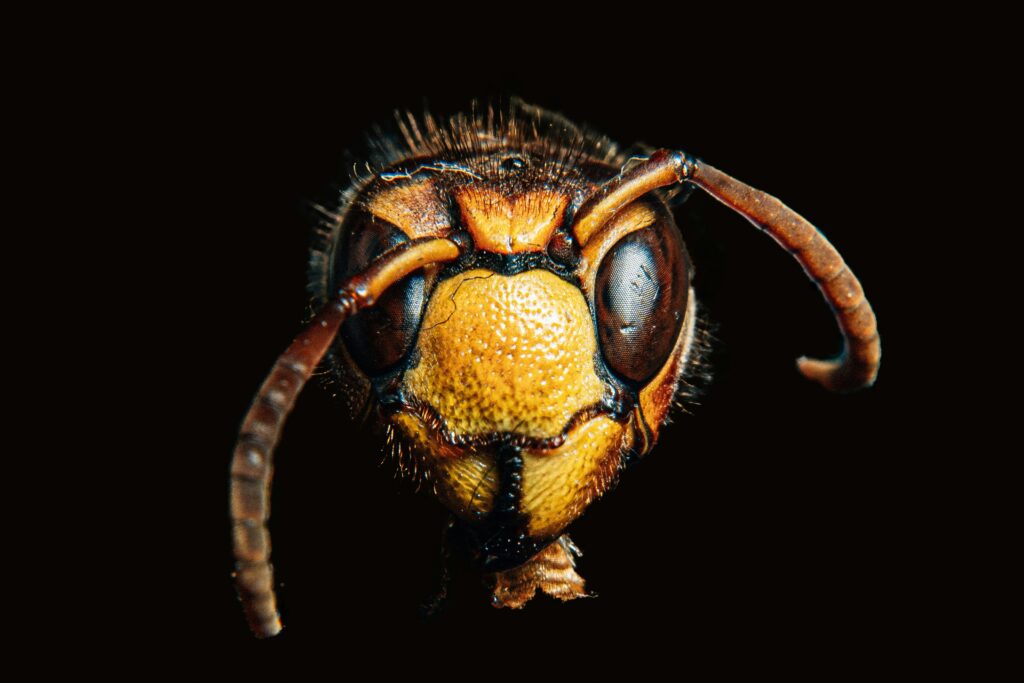
Wasps most detest strong scents like peppermint, clove, and lemongrass, which act as effective repellents. These scents can be used in diluted form as sprays to keep wasps away from outdoor spaces. Additionally, citrus fruits like lemon, lime, and orange are also detested by wasps. Placing slices of these fruits strategically can help deter them. Understanding what wasps hate the most can help create a wasp-free environment, ensuring a more pleasant outdoor experience.
Genuine Pest Control is your professional provider of exterminating services. Call us today at (402) 300-8168 for reliable and affordable pest management.
Key Takeaways
- Strong scents like peppermint and citrus deter wasps.
- Certain plants like thyme and eucalyptus repel wasps naturally.
- Bright colors and sudden movements discourage wasps.
- Smoke disrupts wasps' communication and masks attracting scents.
- Avoid sudden movements and wear subdued colors to prevent wasp stings.
Strong Scents
When it comes to deterring wasps, one effective method is utilizing strong scents. Essential oils, such as peppermint, clove, and lemongrass, are known for their ability to repel wasps due to their strong aroma. These oils can be diluted with water and sprayed around outdoor gathering areas to keep wasps at bay.
Citrus fruits, like lemon, lime, and orange, also possess a scent that wasps dislike. Placing slices of these fruits in strategic locations around your patio or garden can help deter these pests from coming too close. Additionally, citrus essential oils can be mixed with water and used as a natural repellent spray.
Certain Plants
Utilizing certain plants in your outdoor space can serve as a natural deterrent against wasps. By strategically incorporating natural repellents into your landscaping, you can help keep these pesky insects at bay. Plants such as spearmint, thyme, citronella, and eucalyptus are known for their ability to repel wasps due to their strong scents that the insects find unpleasant. Planting these around your outdoor living areas or near entry points to your home can help deter wasps from building nests in these areas.
In addition to serving as natural repellents, these plants also offer landscaping tips for creating beautiful and functional outdoor spaces. By incorporating these plants into your garden or patio, you not only enhance the aesthetic appeal but also contribute to a more wasp-free environment. Consider planting these natural repellents in pots or hanging baskets near gathering areas to add both beauty and functionality to your outdoor space.
Bright Colors
To further discourage wasps from frequenting your outdoor space, consider the impact of incorporating bright colors into your surroundings. Wasps are naturally averse to bright colors, as they associate them with potential threats in the environment. By strategically using vibrant hues in your outdoor decor, you can create an environment that is less appealing to these stinging insects.
Additionally, bright colors can attract natural predators of wasps, such as birds and certain insects, which can help in controlling the wasp population in your vicinity. These predators are drawn to the colors that stand out to them, aiding in the natural regulation of the wasp population.
Moreover, bright colors also emit ultraviolet light, which is visible to insects like wasps. This light can act as a warning signal or a deterrent for them, making them less likely to hover around areas with intense coloration. By leveraging the aversion of wasps to bright colors and the attraction of natural predators, you can effectively make your outdoor space less inviting to these buzzing pests.
Sudden Movements
Sudden movements can trigger defensive responses from wasps, leading to potential stings and disruptions in your outdoor activities. To avoid provoking these stinging insects, it's vital to adopt a quiet approach and make slow movements when around them.
Here's a helpful table that summarizes tips to prevent wasp encounters:
| Tips to Prevent Wasps |
|---|
| 1. Wear subdued colors |
| 2. Avoid potent scents |
| 3. Keep food covered |
| 4. Remain calm and still |
| 5. Refrain from abrupt movements |
Smoke
When dealing with wasps, one effective method to deter them is through the use of smoke. This natural deterrent can be particularly useful during outdoor activities where wasps tend to be more active. Here are three reasons why smoke is an effective tool in keeping wasps at bay:
- Disrupts Communication: Wasps communicate through pheromones, and smoke interferes with their ability to send out signals to each other. This disruption can confuse them and deter them from approaching the area where the smoke is present.
- Masks Scent: Smoke can help mask the scents that attract wasps, such as food or floral scents. By covering up these enticing smells, it reduces the likelihood of wasps being attracted to the area.
- Creates a Barrier: The smoke creates a physical barrier between you and the wasps, making it harder for them to detect your presence. This can help create a safer environment during outdoor events or gatherings.
Frequently Asked Questions
Can Wasps Be Attracted to Sweet Scents?
Floral fragrances can attract wasps due to their sweet nature, posing a potential nuisance. However, citrus scents act as natural deterrents, serving as effective wasp repellents. Utilizing these scents strategically can help keep these pests at bay.
Do Wasps Dislike Mint Plants?
When considering wasp behavior around mint plants, it should be emphasized that wasps are generally deterred by strong scents like lavender and rosemary. These herbs can act as natural repellents, potentially reducing the presence of wasps in the area.
Are Wasps More Aggressive Towards Dark Colors?
Wasps are not inherently more aggressive towards dark colors. However, they are attracted to bright clothing and floral patterns, as these resemble the colors of flowers and can inadvertently provoke them. It is advisable to avoid such attire around wasp habitats.
Do Slow Movements Attract Wasps?
When encountering wasps, remember to avoid slow movements if you wish to deter them. Quick movements can help prevent their interest. Additionally, loud noises and bright lights can also disrupt their behavior, keeping them at bay.
Can Incense Repel Wasps Effectively?
Citronella candles and lemon balm are known to repel wasps effectively. Their strong scents deter these insects, making them less likely to linger in the area. Utilizing these natural methods can help keep your space wasp-free.


