
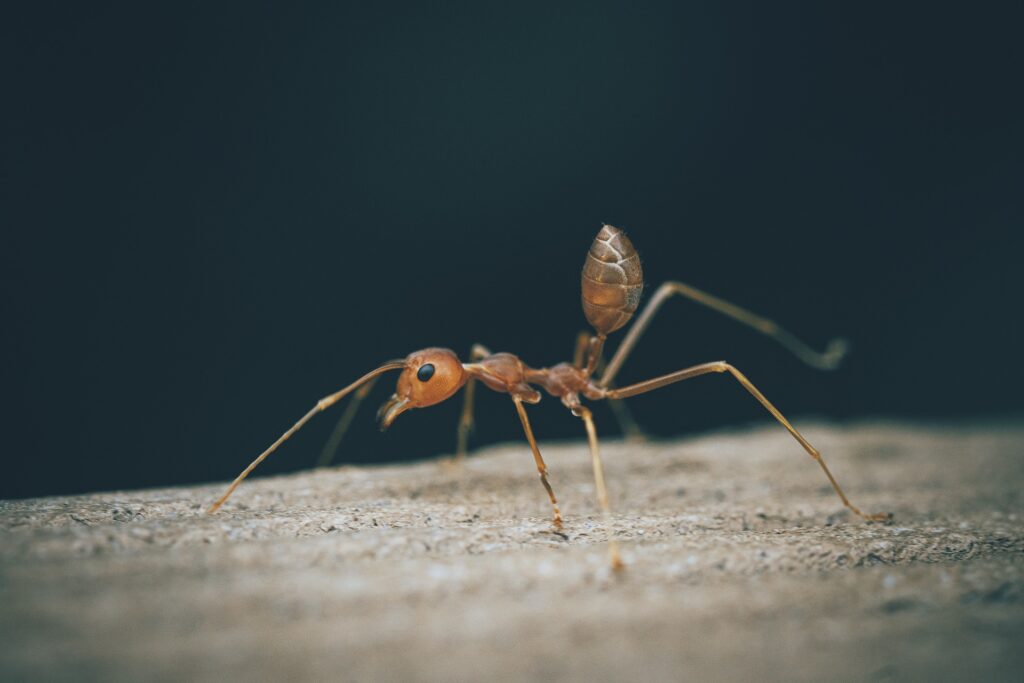
To keep ants away, consider using natural remedies like essential oils (peppermint, tea tree, citrus), vinegar, cinnamon, lemon juice, chalk, peppermint, bay leaves, diatomaceous earth, and borax. These options are effective in deterring ants and are safe for households with pets. For instance, peppermint essential oil can be made into DIY sprays and baits while vinegar disrupts ants' trails. Cinnamon affects ants' ability to communicate, and lemon juice's acidity wards them off. Chalk creates barriers, and bay leaves offer a pleasant scent. Natural substances like coffee grounds, diatomaceous earth, and borax are also helpful. Try these remedies for an ant-free environment.
Genuine Pest Control is your professional provider of exterminating services. Call us today at (402) 300-8168 for reliable and affordable pest management.
Key Takeaways
- Use peppermint, tea tree, or citrus essential oils.
- Create DIY sprays and baits with vinegar or cinnamon.
- Draw barriers with chalk or bay leaves.
- Employ natural substances like coffee grounds or diatomaceous earth.
Essential Oils
One effective method for deterring ants is utilizing essential oils, known for their potent repellent properties. Essential oils such as peppermint, tea tree, and citrus oils are popular choices for DIY ant sprays and ant baits due to their strong scents that ants find unpleasant. To create a DIY ant spray, mix a few drops of essential oil with water in a spray bottle and apply it along entry points and ant trails to prevent them from entering your home.
In addition to using essential oils directly, incorporating them into ant baits can be an effective way to eliminate ant colonies. By mixing essential oils with sweet substances like sugar or honey, you can attract ants to the bait while the oils work to repel them. This helps in both ant prevention by deterring them from entering your home and ant elimination by targeting the entire colony. Remember to reapply the essential oil-based solutions regularly to maintain their effectiveness in keeping ants away.
Vinegar
Utilizing vinegar is another effective natural method for deterring ants from entering your living area. Vinegar benefits not only encompass its ant-repelling properties but also its eco-friendly nature. When using vinegar to keep ants at bay, it is crucial to take some precautions. While vinegar is safe for humans and pets, it can be harmful to certain surfaces like marble or granite, so it's vital to test a small area first.
For a simple DIY solution, mix equal parts of water and white vinegar in a spray bottle. Shake well and spray this solution along entry points, countertops, or any areas where ants are seen. The strong scent of vinegar disrupts the ants' pheromone trails, making it harder for them to navigate and communicate with each other. Reapply the vinegar solution daily or as needed to maintain its effectiveness. Additionally, cleaning surfaces with a vinegar-water solution can help eliminate ant trails and discourage their presence in your home.
Cinnamon
To naturally deter ants from your living space, consider using cinnamon as an aromatic repellent. Cinnamon offers several benefits as a natural ant repellent. Its strong scent disrupts the ants' ability to communicate and navigate, deterring them from entering your home. Additionally, cinnamon is non-toxic, making it safe to use around children and pets.
One of the drawbacks of using cinnamon to repel ants is its potency. While the scent is effective in deterring ants, it may not be as long-lasting as other commercial ant repellents. This means that you may need to reapply the cinnamon more frequently to maintain its effectiveness.
To use cinnamon as an ant repellent, sprinkle ground cinnamon in areas where ants are likely to enter, such as entryways, windowsills, and baseboards. You can also create a cinnamon essential oil spray by mixing water with a few drops of cinnamon essential oil and spraying it around your home. This natural method can help keep ants at bay while leaving a pleasant aroma in your living space.
Lemon Juice
Lemon juice's acidic properties make it an effective natural deterrent for ants in your home. The strong citrus aroma disrupts the ants' ability to follow scent trails, making them unlikely to invade your space. Apart from keeping ants at bay, lemon juice offers other benefits and can be used in DIY recipes to create your insecticide. Here is a simple citrus spray formula you can make at home:
| Lemon Juice Benefits | DIY Recipes |
|---|---|
| Natural ant deterrent | Lemon juice mixed with water in a spray bottle can be used along entry points to repel ants. |
| Invigorating scent | Combine lemon juice with vinegar and a few drops of essential oil for an all-purpose cleaner that also deters ants. |
| Safe for pets and kids | Mix lemon juice with cinnamon powder to create a potent ant-repellent paste. Apply it along baseboards and areas prone to ant activity. |
Chalk
Chalk is a commonly recommended household item for deterring ants due to its natural composition and effectiveness in creating barriers. By drawing lines or circles with chalk around entry points where ants may infiltrate, you can establish chalk barriers that provide long-lasting protection. The reason why chalk works is because ants are repelled by the calcium carbonate present in the chalk, disrupting their scent trails and deterring them from crossing the barrier.
Aside from creating chalk barriers, another fun and effective way to use chalk to keep ants away is by drawing decoy trails or markings. By drawing lines or patterns away from your home, you can divert ants from entering your living spaces. This method not only serves as a practical solution but can also be an enjoyable activity for children or those who appreciate a creative approach to pest control.
Coffee Grounds
When it comes to keeping ants at bay, coffee grounds can be a handy natural repellent. Understanding the effectiveness of coffee grounds in deterring ants and learning some application tips and tricks can help in effectively utilizing this method. Let's explore how coffee grounds can be a simple yet effective solution in warding off ants from your home.
Natural Ant Repellent
Coffee grounds can serve as a natural ant repellent in your home. Herbal remedies and plant extracts are often used as homemade solutions in DIY techniques to keep ants at bay. The strong scent of coffee grounds disrupts the pheromones ants use to communicate, deterring them from entering your living spaces.
To use coffee grounds as an ant repellent, simply sprinkle them around entry points where ants may be coming in, such as windowsills, doorways, or cracks in the walls. You can also place small bowls of coffee grounds in areas where ants are frequently seen. The caffeine in coffee is toxic to ants, making it an effective and eco-friendly way to repel them without the use of harmful chemicals.
Coffee Grounds Effectiveness
To effectively repel ants using coffee grounds, it is important to understand the mechanism by which this natural remedy disrupts ant behavior. Coffee grounds act as an ant deterrent due to their strong smell, which interferes with the ants' ability to communicate through scent trails. When ants encounter the scent of coffee grounds, they become disoriented and are unable to navigate effectively, leading them to avoid areas where coffee grounds are present.
Apart from being an effective ant deterrent, using coffee grounds in gardening also offers additional benefits. Coffee grounds are rich in nitrogen, an essential nutrient for plant growth. By incorporating coffee grounds into the soil, they can help improve its quality, promote drainage, and even deter pests like slugs and snails. This makes coffee grounds not only an eco-friendly solution for ant control but also a valuable resource for enhancing the health and productivity of your garden.
Application Tips and Tricks
For best results in utilizing coffee grounds as an ant deterrent, consider incorporating them strategically in key entry points and along ant trails. Coffee grounds can act as a natural barrier that ants typically avoid due to the strong scent and compounds present in coffee. To apply coffee grounds effectively, start by identifying common entry points where ants may be accessing your home. Sprinkle coffee grounds in these areas to create a barrier that deters ants from crossing. Additionally, trace any visible ant trails back to their source and sprinkle coffee grounds along these paths to disrupt their movement.
When using coffee grounds in gardening techniques or outdoor activities, consider spreading them around plants or outdoor seating areas to keep ants at bay. This natural approach can be a helpful household hack for preventing ant invasions without resorting to harsh chemicals. Remember to refresh the coffee grounds periodically, especially after rain or watering, to maintain their effectiveness as a cleaning solution against ants.
Peppermint
One effective natural method for deterring ants is using peppermint essential oil. Peppermint is a versatile plant that offers numerous benefits beyond just its invigorating aroma. Its strong scent is a powerful repellent for ants, making it an excellent choice for keeping these pests away from your home.
To create a DIY repellent using peppermint essential oil, simply mix a few drops of the oil with water in a spray bottle and apply it along entry points, such as windows, doors, and cracks where ants may enter. This natural solution is safe to use indoors and can help deter ants without the use of harmful chemicals.
In addition to its use as an essential oil, planting peppermint plants indoors can also be effective in repelling ants. The presence of live peppermint plants can help discourage ants from entering your living spaces due to the plant's strong scent. Consider placing potted peppermint plants near areas where ants are commonly found to help keep them at bay.
Bay Leaves
Peppermint's effectiveness in deterring ants leads us to explore another natural remedy: bay leaves. Bay leaves, commonly used in cooking to add flavor to soups, stews, and sauces, can also serve as a DIY ant repellent. The strong scent of bay leaves is pleasant to humans but repels ants and other insects.
To utilize bay leaves as a natural pest control method, simply place them in areas where ants are entering your home, such as near windows, doors, or cracks in the wall. You can also create a spray by boiling bay leaves in water, letting it cool, and then spraying it around entry points and ant trails.
In addition to their effectiveness as herbal remedies for ant control, bay leaves can enhance your culinary creations. When cooking with bay leaves, remember to remove them before serving, as they can be a choking hazard. By incorporating bay leaves into your cooking and using them strategically around your home, you can enjoy their dual benefits of flavor enhancement and pest deterrence.
Diatomaceous Earth
Diatomaceous Earth, a natural substance made from fossilized algae, is a popular non-toxic method for controlling ants and other pests. It works by dehydrating insects upon contact, making it an effective solution for ant infestations. One of its advantages is that it is safe for pets, as long as it is food-grade diatomaceous earth. This guarantees that your furry friends remain unharmed while still effectively combating pests in your home.
In terms of environmental impact, diatomaceous earth is considered to be a more eco-friendly option compared to chemical insecticides. It is a naturally occurring substance that does not harm the environment or wildlife. When used correctly, it can be a sustainable pest control method for your household.
Additionally, diatomaceous earth offers long-term effectiveness, as it can remain active as long as it is kept dry. When considering cost, although it may be slightly more expensive upfront compared to traditional pesticides, its long-lasting effects and pet-safe nature make it a valuable investment for pest control in the home.
Borax
Borax is a commonly used household ingredient known for its effectiveness in deterring ants and other pests. It can be a useful tool in your pest control arsenal. Here are some important points to keep in mind when using borax for ant control:
- Borax safety: While borax can be effective against ants, it is important to use it safely. Keep borax out of reach of children and pets to avoid accidental ingestion. Always follow the instructions on the product label to ensure safe usage.
- Effectiveness: Borax works by disrupting the ants' digestive systems, ultimately leading to their demise. When properly used, it can help eliminate ant colonies and prevent them from returning to your home.
Frequently Asked Questions
Can Ants Be Repelled by Using Essential Oils?
When seeking to deter ants, essential oils can serve as a natural repellent. Additionally, consider using ant traps and citrus peels as effective methods. These options provide a non-toxic approach to managing ant infestations.
Does Vinegar Effectively Deter Ants?
Vinegar is a common household item that can effectively deter ants due to its strong scent and acidic properties. Other options worth exploring are using a baking soda deterrent or creating a borax solution to keep ants at bay.
How Can Cinnamon Help Keep Ants Away?
Cinnamon benefits in ant prevention by acting as a natural deterrent due to its strong scent that disrupts ants' communication. Sprinkling powdered cinnamon along entry points or creating a cinnamon essential oil barrier can help keep ants away effectively.
Is Lemon Juice a Natural Ant Repellent?
Lemon juice, derived from lemon peel, contains citric acid, a natural ant repellent. When combined with cayenne pepper, it can create a potent deterrent against ants due to their aversion to the strong scent and taste.
Can Coffee Grounds Keep Ants Out of the House?
Coffee grounds can help repel ants due to their strong scent. Additionally, consider using tea bags or peppermint oil, which ants dislike. For a more permanent solution, borax or chalk can create barriers that deter ants effectively.


