
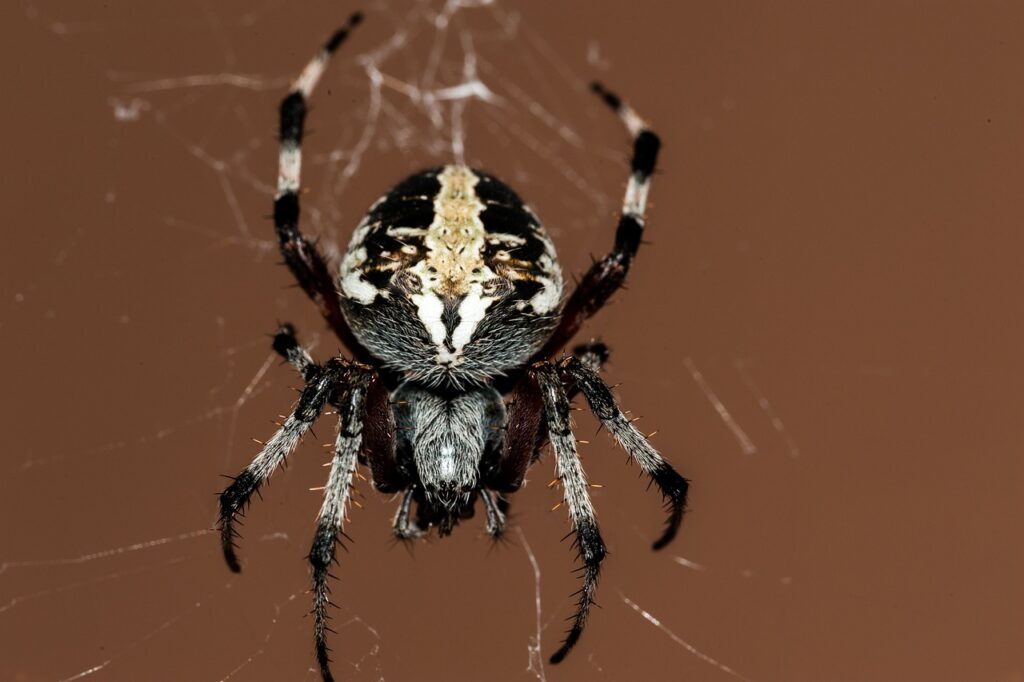
Vinegar is indeed an effective natural spider repellent, thanks to its strong odor and acidic nature that spiders find off-putting. Its acetic acid content creates an environment spiders want to avoid, making it an eco-friendly and non-toxic solution for spider prevention. By disrupting spiders' sense of smell and taste, vinegar interferes with their behavior and ability to detect food sources. White vinegar, apple cider vinegar, balsamic vinegar, and rice vinegar are recommended types for spider control. Spraying vinegar on windowsills, doorways, and cracks, as well as using vinegar-soaked cotton balls near entry points, are simple methods to keep spiders away.
Genuine Pest Control is your professional provider of exterminating services. Call us today at (402) 300-8168 for reliable and affordable pest management.
Key Takeaways
- Vinegar's strong odor disrupts spider's sense of smell, deterring them.
- Acidity in vinegar creates an unfriendly environment for spiders.
- Vinegar application interferes with spider behavior, repelling them.
- Vinegar contains acetic acid, which spiders find unpleasant.
- Vinegar is a natural, non-toxic, and cost-effective spider repellent.
Vinegar as a Natural Spider Repellent
Vinegar is widely recognized for its effectiveness as a natural spider repellent. Its benefits in spider prevention have been acknowledged for years. This common household ingredient offers a non-toxic and environmentally friendly way to keep spiders at bay.
The acidic nature of vinegar creates an unfriendly environment for spiders, deterring them from entering a space. Spiders, like many insects, are sensitive to strong odors, and vinegar's pungent smell acts as a natural deterrent. Additionally, the acetic acid in vinegar disrupts the spider's ability to taste and smell, further discouraging them from lingering in treated areas.
Regularly spraying a solution of vinegar and water around entry points, windows, and other areas where spiders may enter can help in keeping them away. This simple and cost-effective method offers a safe alternative to chemical insecticides, making it a popular choice for those seeking natural pest control solutions. By harnessing the power of vinegar, individuals can enjoy a spider-free environment without harming the ecosystem.
How Does Vinegar Repel Spiders?
When it comes to repelling spiders, understanding the mechanism by which certain substances act as deterrents can provide valuable insight into natural pest control methods. Vinegar application is known to repel spiders due to its strong odor, which is off-putting to these arachnids. Spiders rely heavily on their sense of smell to navigate their surroundings and locate prey. The potent smell of vinegar disrupts their ability to detect food sources and communicate with other spiders, causing them to avoid areas where vinegar has been applied.
Spider behavior is also a key factor in how vinegar repels them. Spiders are known to avoid strong scents and tastes, as they associate them with potential dangers or unsuitable environments. When vinegar is sprayed or applied in areas where spiders frequent, they are deterred by the overwhelming smell and taste, prompting them to seek out alternative locations to spin their webs or build their nests.
Types of Vinegar to Use
When it comes to repelling spiders, vinegar can be a natural solution. White vinegar is a common choice for creating a spider-repelling spray due to its acidity. Apple cider vinegar, with its strong scent, can also be effective in keeping spiders at bay.
Vinegar Repels Spiders
One natural method that has been found effective in keeping spiders away is the use of certain types of vinegar. Vinegar's potency and strong smell act as a deterrent for spiders who rely heavily on their sense of smell to navigate their surroundings. Understanding spider behavior can help in utilizing vinegar effectively to repel them from your home.
Here are four types of vinegar that can help keep spiders away:
- White Vinegar: This common household vinegar is highly acidic, disrupting a spider's ability to taste and smell, deterring them from entering certain areas of your home.
- Apple Cider Vinegar: Known for its pungent odor, apple cider vinegar can be mixed with water and sprayed around entry points to discourage spiders from coming inside.
- Balsamic Vinegar: The strong smell of balsamic vinegar can deter spiders from spinning webs or nesting in areas where the scent lingers.
- Rice Vinegar: Another option with a strong odor, rice vinegar can be used to create a spider-repelling spray for corners and crevices in the home.
White Vinegar Effectiveness
To assess the effectiveness of white vinegar as a spider repellent, it is essential to understand its properties and how it interacts with spiders. When considering vinegar application for spider control, it is important to use white vinegar specifically. White vinegar contains acetic acid, which is believed to deter spiders due to its strong odor. This pungent smell is what spiders find unpleasant, driving them away from areas where the vinegar has been applied.
When using white vinegar for spider control, it is recommended to dilute it with water in a 1:1 ratio to make it less harsh and more suitable for household use. This solution can be sprayed directly onto surfaces where spiders are often found, such as corners, windowsills, or doorways. Regularly applying this vinegar solution can help in keeping spiders at bay without the use of harsh chemicals, making it a natural and cost-effective method for spider control in homes.
Apple Cider Benefits
Considering the benefits of vinegar for spider control, it is worth exploring the specific advantages of apple cider vinegar in deterring these arachnids. Apple cider vinegar offers several benefits as an arachnid repellent:
- Natural Ingredient: Apple cider vinegar is a natural and environmentally friendly option for keeping spiders at bay.
- Pleasant Smell: Unlike some chemical repellents, apple cider vinegar has a pleasant smell that won't be off-putting to you or your family.
- Versatile Uses: In addition to spider control, apple cider vinegar can be used for various household cleaning tasks.
- Cost-Effective Solution: Apple cider vinegar is an affordable alternative to commercial spider repellents, making it a budget-friendly choice for homeowners.
Vinegar Spider Repellent Recipe
Spiders can be unwelcome guests in our homes, prompting many to seek natural solutions for keeping them at bay. One effective method is using a vinegar mixture as a homemade repellent. To make this simple yet potent spider repellent, combine equal parts of water and white vinegar in a spray bottle. Shake the bottle well to make sure the ingredients are mixed thoroughly. This vinegar mixture can then be sprayed in areas where spiders are commonly found, such as corners, windowsills, and doorways. The strong scent of vinegar is a natural deterrent for spiders, helping to discourage them from entering your living spaces. This homemade repellent is not only cost-effective but also environmentally friendly, making it a preferred choice for those looking to avoid harsh chemicals. By regularly applying this vinegar mixture in problem areas, you can create an unwelcoming environment for spiders and keep your home spider-free.
Applying Vinegar in Problem Areas
Applying vinegar strategically in problem areas is a practical approach to keeping spiders at bay within your living spaces. By utilizing vinegar for spider prevention, you can create an environment that deters these unwanted guests from taking up residence in your home. Here are some simple steps to effectively apply vinegar in problem areas:
- Spray Vinegar Solution: Mix equal parts of water and vinegar in a spray bottle and apply it along baseboards, windowsills, and doorways where spiders are likely to enter.
- Soak Cotton Balls: Soak cotton balls in undiluted vinegar and place them in corners, closets, and other dark spaces where spiders tend to hide.
- Use Vinegar Wipes: Create vinegar wipes by soaking cloths in a vinegar solution and wiping down surfaces like countertops and shelves to repel spiders.
- Refresh Regularly: Reapply vinegar every couple of weeks or after cleaning to maintain its spider-repelling effect.
Effectiveness of Vinegar on Spiders
When considering the effectiveness of vinegar on spiders, it is important to acknowledge its potential as a natural spider deterrent. Many believe that vinegar can act as a spider repellent when used in problem areas. The effectiveness of vinegar spray in keeping spiders away is a commonly discussed topic among those exploring natural ways to manage spider infestations.
Vinegar and Spider Repellent
To effectively deter spiders from entering your home, many individuals turn to utilizing vinegar as a natural spider repellent. Vinegar solution can be an affordable and eco-friendly alternative for spider prevention. Here are some simple ways to use vinegar effectively as a spider repellent:
- Vinegar Spray: Mix equal parts of water and vinegar in a spray bottle. Spray this solution in areas where spiders are likely to enter, such as windowsills, doorways, and cracks.
- Vinegar Soak: Soak cotton balls in undiluted vinegar and place them strategically around your home, especially near entry points for spiders.
- Vinegar Mop: Add a cup of vinegar to a bucket of water when mopping your floors. This can help repel spiders and keep them away from your living spaces.
- Vinegar Sachets: Fill small sachets with a mixture of vinegar and essential oils like peppermint or lavender. Place these sachets in closets, under furniture, or in cabinets to deter spiders effectively.
Vinegar Spray Effectiveness
Using vinegar as a spider repellent has gained popularity due to its natural and cost-effective nature. When it comes to the effectiveness of vinegar spray on spiders, the results can vary.
| Vinegar Application | Spider Reaction |
|---|---|
| Diluted vinegar sprayed around entry points and corners of the house | May deter spiders temporarily |
| Regular reapplication needed for sustained results | Some spiders may not be affected |
| Can be used indoors and outdoors | Strong scent may repel spiders temporarily |
| Non-toxic and safe for pets and humans | Effectiveness may depend on the spider species |
While vinegar application can be a simple and affordable method to keep spiders away, it may not guarantee complete elimination. Some spiders may not be deterred by the scent, and regular reapplication might be necessary for long-term results. It is essential to understand that the effectiveness of vinegar on spiders can vary depending on the specific spider species and environmental factors.
Natural Spider Deterrent
The effectiveness of vinegar as a natural spider deterrent has been a subject of interest among homeowners seeking non-toxic pest control solutions. When it comes to spider control, vinegar offers several benefits that are worth considering:
- Repellent Properties: Vinegar contains acetic acid, which spiders find unpleasant due to its strong odor. This can deter spiders from entering your home or specific areas where vinegar is applied.
- Non-Toxic Solution: Unlike chemical insecticides, vinegar is a safe and environmentally friendly option for controlling spiders. It poses no harm to humans, pets, or the environment.
- Cost-Effective: Vinegar is a budget-friendly alternative to commercial spider repellents. It is readily available in most households and can be used in various DIY spider control methods.
- Easy Application: Using vinegar as a spider deterrent is simple and convenient. You can create a vinegar spray or soak cotton balls in vinegar and place them in spider-prone areas for effective results.
Safety Considerations When Using Vinegar
When utilizing vinegar as a natural spider repellent, it is important to take safety measures to prevent any potential risks. Safety precautions should be followed to guarantee the well-being of yourself and others. While vinegar is generally safe for household use, there are still some health considerations to keep in mind.
Firstly, always handle vinegar with care to avoid any accidental spills or splashes. Vinegar is acidic and can cause irritation to the skin and eyes. It is advisable to wear gloves and protective eyewear when working with vinegar, especially in concentrated forms.
Additionally, ensure proper ventilation when using vinegar indoors. Breathing in vinegar fumes for an extended period can cause respiratory irritation. It is recommended to open windows or use fans to enhance air circulation.
Lastly, store vinegar out of reach of children and pets to prevent accidental ingestion. While vinegar is non-toxic, consuming large quantities can lead to stomach upset.
Vinegar Vs. Chemical Spider Repellents
To compare the efficacy of vinegar as a spider repellent against chemical alternatives, it is essential to understand the differences in their compositions and effectiveness.
- Vinegar Benefits:
- Vinegar is a natural and eco-friendly option.
- It is safe to use around children and pets.
- Vinegar is readily available and cost-effective.
- It can also act as a cleaning agent in addition to repelling spiders.
- Chemical Comparison:
- Chemical spider repellents often contain toxic substances harmful to health.
- These repellents may require ventilation due to their strong odor.
- Chemical options can be expensive and may not be suitable for households with children or pets.
- Some chemical repellents may leave residues that need cleaning after use.
While vinegar offers a safe and environmentally friendly alternative for repelling spiders, chemical repellents have their own set of drawbacks related to health and safety concerns. Ultimately, the choice between vinegar and chemical spider repellents depends on individual preferences and specific household needs.
Other Natural Spider Deterrents
In addition to vinegar, there are other natural spider deterrents that can be effective in keeping these pests at bay. Citrus peel repellent, peppermint oil spray, and cedarwood chips can all help deter spiders from entering your home. These natural options provide a chemical-free way to protect your living space from unwanted arachnid visitors.
Citrus Peel Repellent
Citrus peel has emerged as a popular natural spider deterrent due to its strong scent that spiders find unpleasant. Here are some simple methods to use citrus peel effectively:
- Lemon Peel Method: Place fresh lemon peels near entry points, windows, and other areas where spiders may enter your home.
- Grapefruit Peel Method: Similarly, grapefruit peels can be scattered in cupboards, closets, or any dark corners where spiders tend to hide.
- Orange Peel Technique: Create a solution by boiling orange peels in water, then strain the liquid and spray it around your home to repel spiders.
- Lime Peel Solution: Another effective method is to rub lime peels along baseboards, windowsills, and door thresholds to deter spiders from entering.
Peppermint Oil Spray
Peppermint oil is a widely recognized and effective natural deterrent against spiders. Its strong scent is known to repel spiders and other insects due to its overpowering aroma. To make a DIY peppermint spray, simply mix water with a few drops of peppermint oil in a spray bottle and shake well before use. This homemade peppermint spray can be conveniently used around windows, doors, and other entry points to keep spiders at bay.
Apart from its spider-repelling properties, peppermint oil offers additional benefits. It is known for its invigorating and revitalizing scent, which can uplift moods and create a pleasant atmosphere in your home. Furthermore, peppermint oil can also act as a natural insecticide, deterring a variety of pests beyond just spiders.
Cedarwood Chips Barrier
To further fortify your arsenal against spiders, consider implementing a natural barrier of cedarwood chips as an additional deterrent. Cedarwood chips offer various benefits in repelling spiders due to their natural properties. Here's how you can use cedarwood chips effectively:
- Scatter cedarwood chips around entry points: Place cedarwood chips near doors, windows, and any other openings where spiders may enter your home.
- Refresh the cedarwood chips: Regularly replace the cedarwood chips to maintain their effectiveness in deterring spiders.
- Use cedarwood sachets in closets and storage areas: Place cedarwood sachets in closets, attics, or basements to keep spiders away from these areas.
- Create a border around your home: Establish a perimeter of cedarwood chips around the foundation of your house to create a barrier that spiders are less likely to cross.
Tips for Long-Term Spider Prevention
Implementing effective long-term spider prevention measures is vital for maintaining a spider-free environment in your home or workspace. To keep spiders at bay, consider using essential oils such as lavender, peppermint, or tea tree oil. Spiders dislike the strong scent of these oils and are deterred by them. You can create a natural spider repellent spray by mixing a few drops of essential oil with water and spraying it in spider-prone areas.
In addition to using essential oils, maintaining a regular cleaning routine is important for long-term spider prevention. Spiders are attracted to clutter and dust, so keeping your space clean and clutter-free can help deter them from making themselves at home. Regular vacuuming, dusting, and decluttering can go a long way in preventing spiders from taking up residence in your space.
Frequently Asked Questions
Can Vinegar Attract More Spiders Instead of Repelling Them?
When considering vinegar attraction and spider behavior, it's important to understand that vinegar, due to its strong scent, may potentially attract spiders searching for food sources. This could inadvertently lead to an increase in spider activity.
Will Vinegar Damage Surfaces or Fabrics When Used as a Repellent?
When considering vinegar as a repellent, it's important to address concerns about surface protection and fabric damage. While vinegar can be effective at repelling spiders, its acidic nature may harm certain surfaces and fabrics if not used cautiously.
Can Different Types of Vinegar Be Mixed for a Stronger Repellent?
When considering vinegar combinations for repellent purposes, it is crucial to assess the effectiveness comparison. Mixing different types may enhance the repellent properties. However, it is advisable to test small areas first to guarantee compatibility with surfaces.
Does the Smell of Vinegar Linger After Using It to Repel Spiders?
When evaluating the efficacy of vinegar as a spider repellent, consideration must be given to its residual odor. The lingering smell post-application may vary based on concentration and ventilation, potentially impacting its effectiveness over time.
Is Vinegar Safe to Use Around Pets and Children to Deter Spiders?
When considering pet safety, vinegar may not be the best option to deter spiders due to its pungent odor. For child safety, alternative methods like essential oils or natural repellents could be more suitable and effective.


