
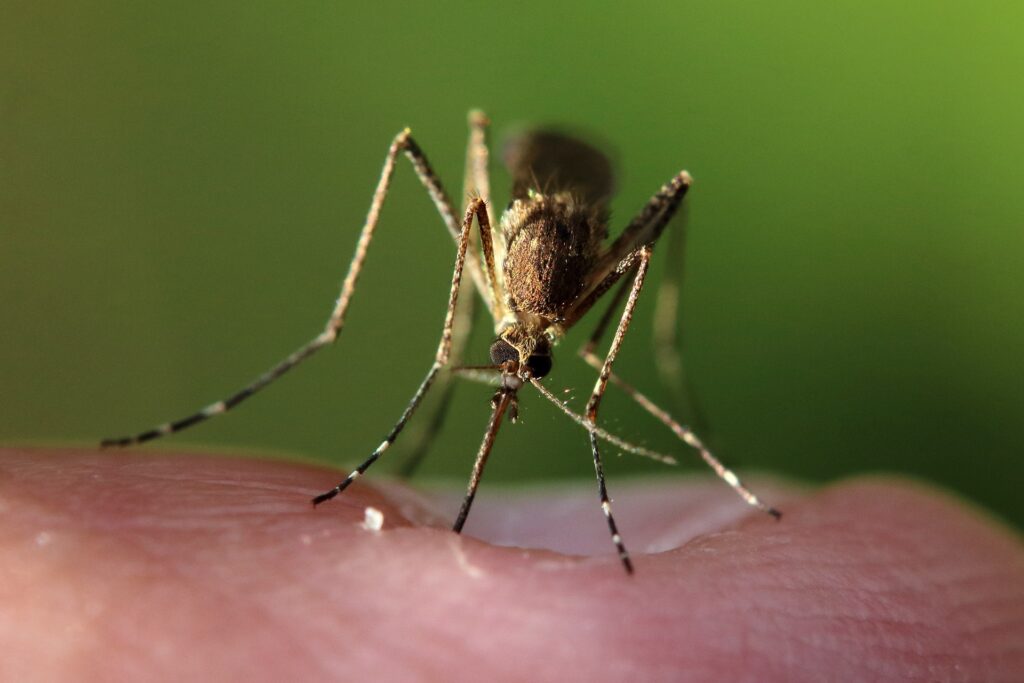
Spraying your yard for mosquitoes can reduce their populations, but it is important to assess the effectiveness against potential risks. The immediate impact on adult mosquitoes is a benefit, yet overusing chemicals may lead to resistance. Health concerns for humans, pets, and beneficial insects exist due to pesticide exposure. Environmental harm, like water contamination and ecosystem disruptions, is also a consideration. Evaluating cost effectiveness, exploring natural repellents, and considering integrated pest management strategies are worthwhile alternatives to solely relying on spraying. Prioritizing safety and sustainability in mosquito control decisions is vital to make informed choices.
Genuine Pest Control is your professional provider of exterminating services. Call us today at (402) 300-8168 for reliable and affordable pest management.
Key Takeaways
- Yard spraying kills adult mosquitoes but may lead to resistance.
- Chemical exposure poses risks to health and the environment.
- Natural alternatives like repellents, traps, and plants are effective.
- Balancing effectiveness, cost, and environmental impact is crucial.
- Integrated Pest Management combines methods for comprehensive control.
Effectiveness of Yard Spraying
Yard spraying for mosquitoes has been a common practice for many homeowners seeking to reduce the presence of these pesky insects in their outdoor living spaces. While spraying can provide immediate relief by killing adult mosquitoes, its long-term results may be limited. Frequent spraying can lead to resistance development in mosquitoes, rendering the chemicals less effective over time.
Moreover, the repeated use of pesticides raises concerns about chemical exposure for humans, pets, and beneficial insects in the yard. To address these challenges, homeowners are increasingly exploring alternative methods to manage mosquito populations. These alternatives include natural repellents, eliminating standing water breeding sites, using mosquito traps, and planting mosquito-repelling plants.
Considering the potential risks associated with chemical yard spraying and the limitations in achieving lasting mosquito control, it is advisable for homeowners to explore a combination of methods for a comprehensive approach to mosquito management. By incorporating alternative strategies alongside occasional spraying, individuals can effectively reduce mosquito populations while minimizing chemical exposure and promoting environmental sustainability.
Health Risks Associated With Pesticides
Exposure to pesticides, commonly used in yard spraying for mosquito control, poses significant health risks to humans, pets, and the environment. These chemicals can have detrimental effects on human health, causing respiratory issues, skin irritations, headaches, nausea, and in severe cases, organ damage or even cancer. Pets are also at risk of experiencing similar health problems when exposed to pesticides, leading to concerns about their well-being. Additionally, the environment suffers from the potential harm of these chemicals, with pesticides contaminating water sources, harming beneficial insects, and disrupting ecosystems.
It is vital for individuals considering yard spraying for mosquito control to be aware of these health risks associated with pesticides. Understanding the potential harm that these chemicals can cause is essential in making informed decisions about mosquito control methods. Prioritizing the health and safety of humans, pets, and the environment is crucial when weighing the benefits and risks of pesticide use in yard spraying practices.
Environmental Impact of Mosquito Spraying
The use of pesticides in mosquito spraying not only poses risks to human health but also has significant implications for the environment. Public perception of mosquito spraying often raises concerns about the ecological consequences it may bring. Chemical exposure from these pesticides can not only harm beneficial insects like bees but also contaminate water sources and disrupt the balance of ecosystems. Additionally, the wildlife impact of mosquito spraying is an important consideration. Birds, fish, and other animals can suffer adverse effects from the chemicals used, leading to population decline and disruptions in food chains. It is essential to weigh the benefits of mosquito control against the potential environmental harm caused by spraying. Striking a balance between effectively managing mosquito populations and minimizing the impact on the environment is essential for sustainable pest control practices. When considering mosquito spraying, it is important to prioritize both public health and environmental well-being.
Cost Considerations for Mosquito Control
When evaluating mosquito control strategies, one vital aspect that cannot be overlooked is the consideration of costs associated with these measures. It is important to weigh the cost effectiveness of various mosquito control methods to guarantee that you are making a sound investment in long-term protection against these pesky insects. While initial costs may vary depending on the chosen approach, it is important to also consider the long-term expenses associated with maintenance and reapplication of control measures.
Factors such as the size of the treated area, frequency of treatments, and the method of application can all impact the overall cost of mosquito control. Some methods, such as professional spraying services, may have higher initial costs but could provide more inclusive and long-lasting protection. On the other hand, DIY solutions like mosquito traps or larvicides may offer a more budget-friendly option but could require more frequent applications to maintain effectiveness.
Ultimately, the cost considerations for mosquito control should be balanced with the effectiveness and sustainability of the chosen method to ensure a practical and efficient approach to managing mosquito populations in your yard.
Natural Alternatives to Spraying
When considering natural alternatives to spraying your yard for mosquitoes, there are several eco-friendly repellent options available that can effectively deter these pests. DIY mosquito control methods, such as removing standing water and maintaining a clean yard, are also effective in reducing mosquito populations. Additionally, planting mosquito-repelling herbs like citronella, lavender, and basil can serve as natural deterrents to keep these insects at bay.
Eco-Friendly Repellent Options
Amid concerns about the potential environmental impact of traditional mosquito repellents, many individuals are seeking out eco-friendly alternatives to keep these pesky insects at bay. Opting for non-toxic solutions and sustainable practices not only helps protect the environment but also secures the well-being of your family and pets. Here are three eco-friendly repellent options that can effectively ward off mosquitoes:
- Essential Oils: Utilizing essential oils such as citronella, lavender, and eucalyptus can act as natural remedies to repel mosquitoes. These oils are safe for the environment and can be applied to the skin or diffused in the air.
- Mosquito-Repelling Plants: Incorporating plants like marigolds, basil, and rosemary in your yard can help deter mosquitoes naturally. These green alternatives not only add beauty to your outdoor space but also serve as a natural defense against these pests.
- DIY Vinegar Spray: Mixing equal parts water and vinegar to create a spray can effectively repel mosquitoes. This simple and cost-effective solution is a great way to keep your yard mosquito-free without harming the environment.
DIY Mosquito Control
Utilizing natural alternatives for mosquito control can be an effective and eco-conscious approach to managing these pests in your yard. Homemade repellents are a popular choice for those looking to avoid harsh chemicals. A simple recipe using essential oils is to mix 10-25 drops of essential oils such as citronella, lavender, or eucalyptus with 2 tablespoons of a carrier oil like coconut or jojoba oil. This mixture can then be applied to the skin or clothing to help repel mosquitoes.
Another DIY option is to create a natural mosquito repellent spray by combining essential oils with water and a splash of witch hazel or vodka. This can be sprayed around outdoor seating areas or plants to deter mosquitoes. Additionally, planting mosquito-repelling plants like citronella, lavender, or marigolds can help naturally keep these pests at bay. By exploring homemade repellents and essential oils, you can effectively control mosquitoes in your yard while minimizing your impact on the environment.
Plant-Based Deterrents
Implementing plant-based deterrents can be a natural and effective way to repel mosquitoes in your yard without resorting to chemical sprays. Utilizing essential oils and home remedies can help create a mosquito-free outdoor space for you and your family. Here are three simple and eco-friendly options to explore:
- Lavender: Planting lavender around your yard not only adds beauty but also acts as a natural mosquito repellent due to its strong scent that mosquitoes dislike.
- Citronella: Citronella is a well-known plant-based mosquito repellent. You can plant citronella in pots around your outdoor seating areas or use citronella candles to keep mosquitoes at bay.
- Peppermint: Peppermint essential oil is another effective mosquito deterrent. Mix a few drops of peppermint oil with water in a spray bottle and apply it to areas where mosquitoes are prevalent.
Integrated Pest Management Strategies
Integrated Pest Management (IPM) strategies are a holistic approach to controlling pests in your yard while minimizing risks to human health and the environment. By implementing IPM strategies, you can effectively manage mosquito populations without relying solely on chemical sprays.
Habitat modification is a key component of IPM. This involves identifying and addressing areas in your yard that may provide breeding grounds for mosquitoes, such as standing water in flower pots or clogged gutters. By eliminating these breeding sites, you can significantly reduce mosquito populations in your yard.
Biological control is another important aspect of IPM. This involves introducing natural predators of mosquitoes, such as certain species of fish or dragonflies, to your yard to help control mosquito populations. Additionally, planting mosquito-repelling plants and utilizing mosquito traps can also be effective biological control methods in an IPM approach.
Frequently Asked Questions
Can Mosquito Spraying Attract More Pests to My Yard?
Pest control measures like mosquito spraying may inadvertently attract more pests to your yard due to the disruption of the local ecosystem. Consider the potential environmental impact before proceeding. Consult with professionals for tailored solutions.
Will Spraying for Mosquitoes Harm My Pets?
When considering pet safety, it is important to choose mosquito spraying methods that are pet-friendly. Some sprays may harm pets, so exploring alternative methods like natural repellents or professional services that use pet-safe products is advisable.
How Long Does the Effect of Yard Spraying Last?
The longevity of effectiveness of yard spraying varies based on factors like weather conditions and type of treatment. Typically, treatments last around 2-4 weeks, necessitating regular application for continued protection against mosquitoes and other pests.
Can Spraying for Mosquitoes Affect Nearby Water Sources?
Spraying for mosquitoes can have an environmental impact on nearby water sources by potentially leading to water contamination. It is crucial to assess the chemicals used and follow guidelines to minimize adverse effects on the ecosystem.
Are There Any Regulations on Residential Mosquito Spraying?
Breezing through residential mosquito spraying regulations is akin to finding balance in a delicate ecosystem. Striking harmony between effective pest control and minimal environmental impact is key. Adhering to local ordinances guarantees responsible mosquito management practices.


