
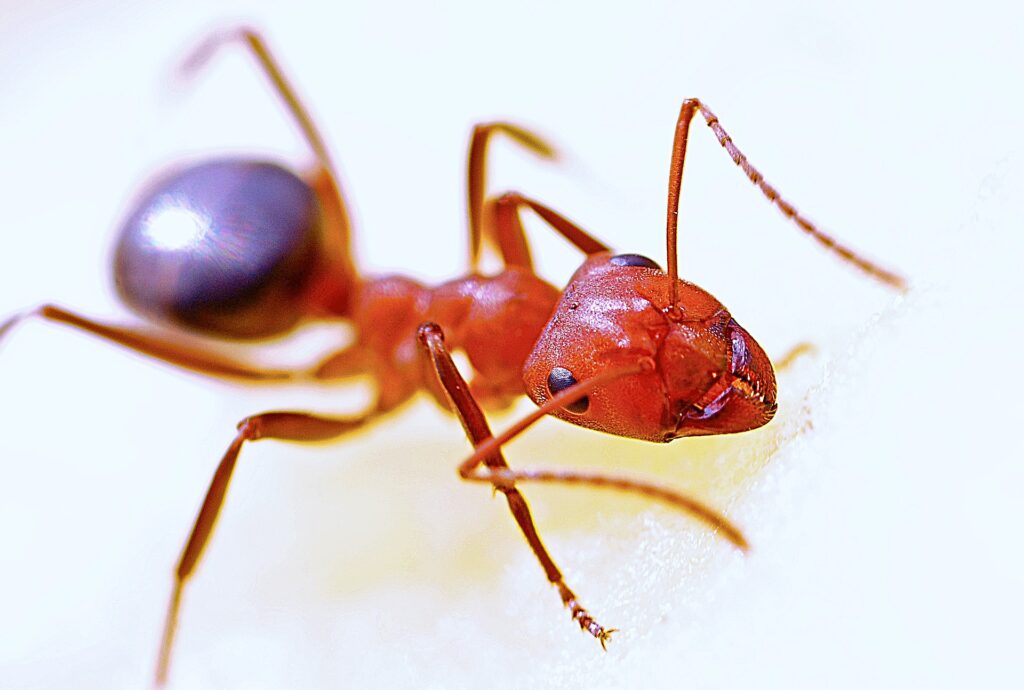
Ants are deterred by natural substances like citrus peels, cucumber slices, vinegar, chalk lines, and baby powder, forming barriers they avoid due to scent or properties. Citrus peels act as a natural insect repellent with a strong scent, while cucumber slices disrupt foraging trails and contain repugnant compounds. Vinegar disrupts pheromone trails, chalk lines made of calcium carbonate create barriers, and baby powder absorbs ants' exoskeleton oils. By utilizing these items, individuals can prevent ants from crossing specific areas due to their unique characteristics.
Genuine Pest Control is your professional provider of exterminating services. Call us today at (402) 300-8168 for reliable and affordable pest management.
Key Takeaways
- Citrus peels create a barrier ants find unpleasant.
- Cucumber slices disrupt foraging trails and communication.
- Vinegar disrupts pheromone trails and acts as a repellent.
- Chalk lines act as a natural barrier ants avoid.
Citrus Peels
Ants are known to avoid crossing paths with citrus peels due to the strong scent they emit. This natural insect repellent property of citrus peels makes them an effective way to deter ants and other insects from entering homes or specific areas. The strong citrus scent acts as a barrier that ants find unpleasant and prefer to avoid.
Citrus peels can be used as a natural pesticide to keep ants at bay without the use of harmful chemicals. By placing citrus peels strategically around entry points, windows, or areas prone to ant infestations, you can create a barrier that deters ants from crossing over. This method is not only cost-effective but also environmentally friendly, making it a preferred choice for those looking to serve others while keeping their surroundings pest-free.
Incorporating citrus peels as a natural insect repellent is a simple yet effective way to manage ant problems without resorting to toxic pesticides. Its natural properties make it a safe and practical option for serving others by providing a pest-free environment.
Cucumber Slices
Cucumber slices are another natural repellent that ants tend to avoid due to their distinct aroma. Ants are known for their want sense of smell, and certain scents can disrupt their foraging trails and communication. Cucumbers contain compounds that ants find repugnant, making them an effective deterrent for these tiny invaders.
To illustrate the effectiveness of cucumber slices as an ant repellent, consider the following table:
| Ant Behavior | Response to Cucumber Slices |
|---|---|
| Foraging ants | Avoid cucumber slices |
| Trail disruption | Trails may be deterred |
| Communication signals | Confusion in ant communication |
Vinegar
In addition to cucumber slices, vinegar is another common household item that is known to deter ants due to its strong scent and acidic properties. When dealing with an ant invasion, consider using vinegar as a natural repellent. Here are some ways vinegar can help keep ants at bay:
- Vinegar Spray: Mix equal parts of vinegar and water in a spray bottle and spritz it along entry points and ant trails to disrupt their pheromone trails, making them less likely to return.
- Vinegar Soak: Soak a cloth in vinegar and wipe down surfaces where ants are seen. This helps eliminate the scent trails they use to communicate with each other.
- Vinegar Barrier: Create a vinegar barrier by pouring a line of undiluted vinegar along windowsills, doorways, or any other entry points ants may be using.
In addition to vinegar, other natural remedies like baking soda and essential oils can also be effective in deterring ants from entering your home.
Chalk Lines
One effective method to prevent ants from crossing certain areas is by creating barriers using chalk lines. Chalk is a natural substance that contains calcium carbonate, which ants are averse to crossing. Drawing a line with chalk where ants typically enter can act as a deterrent, as the ants will avoid crossing over the chalk line due to its texture and composition. The benefits of using chalk in pest control include its non-toxic nature, making it safe to use around children and pets. Additionally, chalk is readily available, inexpensive, and easy to apply, making it a convenient option for controlling ant infestations.
Apart from creating barriers with chalk lines, there are alternative uses for chalk in pest control. For example, drawing chalk lines around plant pots or garden beds can help prevent ants from climbing onto the plants and causing damage. Chalk can also be used to mark areas where food should be kept or where ants should be discouraged from entering, serving as a simple yet effective tool in managing ant infestations.
Baby Powder
Using baby powder as a barrier is another effective method to deter ants from crossing into certain areas. When applied strategically, baby powder can act as a deterrent due to its texture and scent. Here are a few reasons why baby powder can help keep ants at bay:
- Absorbs the ants' exoskeleton: Baby powder can absorb the oils and fats from the ants' exoskeleton, causing them to dehydrate and die. This property makes it an effective barrier against ants looking to invade spaces.
- Baking soda repellent: Mixing baby powder with baking soda can create a potent ant-repelling mixture. Baking soda disrupts the ants' scent trails, making it difficult for them to navigate and communicate effectively.
- Essential oil deterrent: Adding a few drops of essential oils like peppermint, tea tree, or citrus to the baby powder can enhance its repellent properties. These scents are unpleasant to ants and can discourage them from crossing the powdered barrier.
Frequently Asked Questions
Can Ants Be Harmed by Citrus Peels?
Citrus peel effectiveness in repelling ants is a common observation in pest control. Additionally, cucumber slices are known to act as a natural ant repellent. These methods can deter ants without causing harm to them.
Will Ants Avoid Cucumber Slices as a Barrier?
When considering the efficacy of using cucumber slices as a barrier against ants, understanding that lemon peels can be an effective deterrent due to their citric acid content is crucial. Additionally, essential oils like peppermint act as a natural repellent.
How Does Vinegar Repel Ants Effectively?
Vinegar benefits as an ant repellent stem from its acetic acid content, which disrupts ants' sense of smell and interferes with their ability to navigate. The acidic properties of vinegar effectively deter ants, providing natural ant control.
Do Chalk Lines Really Stop Ants?
Chalk lines do not effectively stop ants. Research suggests that cinnamon powder can be more effective in deterring them. Additionally, myths about coffee grounds repelling ants have been debunked. It's important to use proven methods for ant control.
Why Is Baby Powder a Deterrent for Ants?
Baby powder is thought to deter ants due to the cornstarch theory. This theory suggests that the powder disrupts the insects' scent trails. Additionally, baby powder is considered a natural repellent, making it an effective and eco-friendly solution.


