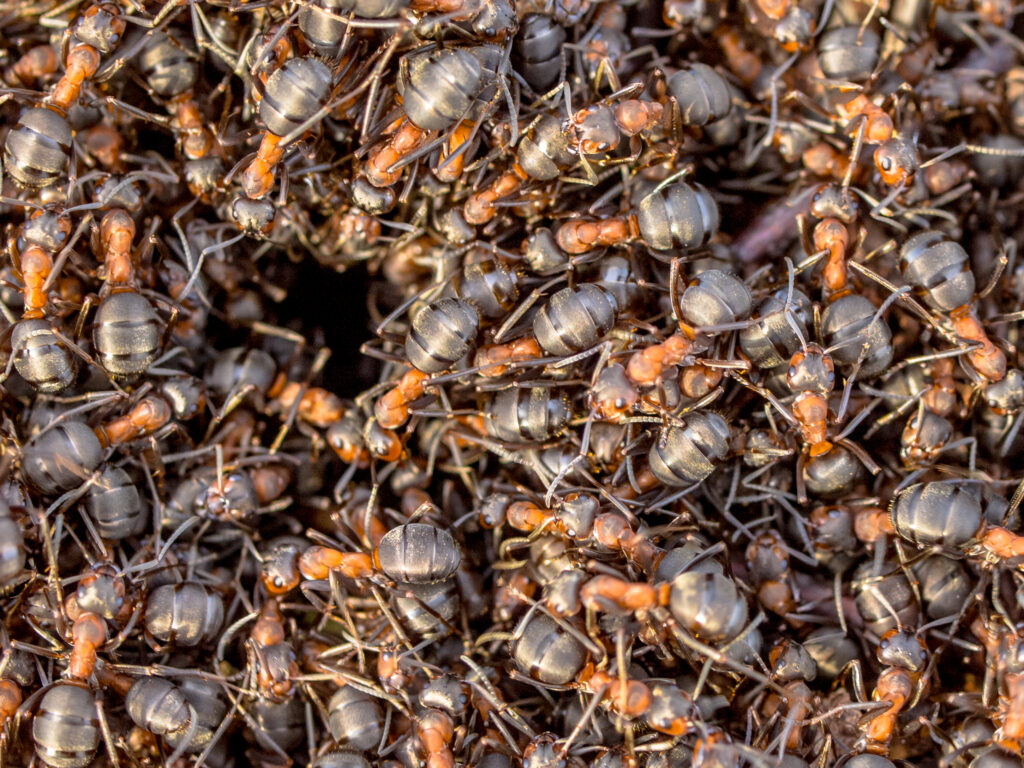
To rid your space of an ant infestation, start by identifying the ant species present to tailor your approach effectively. Locate and seal entry points in cracks and crevices to block their access. Eliminate food sources by storing items in airtight containers and promptly cleaning spills. Utilize natural repellents such as essential oils and herbs to deter ants. Implement DIY traps with borax and sugar to capture ants safely. Consider seeking professional pest control services for a detailed treatment plan. These steps provide a foundation for combatting ant issues thoroughly.
Genuine Pest Control is your professional provider of exterminating services. Call us today at (402) 300-8168 for reliable and affordable pest management.
Key Takeaways
- Identify ant species for targeted treatment.
- Seal entry points to prevent access.
- Eliminate food sources and use baits.
- Utilize natural repellents like essential oils.
Identify the Ant Species
To effectively address an ant infestation, the first step is to accurately identify the ant species present in your home or property. Understanding ant behavior is vital in devising an effective ant extermination plan. Different ant species have varying nesting habits, food preferences, and responses to treatments. For example, sugar ants are attracted to sweet substances, while carpenter ants tunnel through wood. By correctly identifying the ant species, you can tailor your approach to target their specific weaknesses and habits.
Ant extermination methods depend on the species present. Baits, sprays, or dust formulations may be effective, but selecting the appropriate treatment is crucial. For instance, using a sugar-based bait will attract sugar ants but may not work on protein-loving ants.
Professional pest control services can accurately identify ant species and recommend the most suitable ant extermination methods for your situation. Remember, a targeted approach based on the ant species guarantees a more successful outcome in eradicating the infestation.
Locate Entry Points
To effectively address an ant infestation, it is essential to locate their entry points. By sealing cracks and crevices in walls, windows, and doors, you can prevent ants from gaining access to your home. Additionally, removing food sources and maintaining cleanliness will help deter ants from entering your living spaces.
Seal Cracks
Locating and sealing cracks in your home is essential for effectively preventing ants from entering your living space. To seal these entry points, utilize caulking to fill in any gaps or holes along baseboards, windows, doors, and pipes. Caulk application is a simple but effective method to block off the paths ants use to infiltrate your home. Additionally, inspect the exterior of your home for any cracks or crevices that ants could exploit to gain access indoors. To address these areas, consider using weather stripping to seal gaps around windows and doors. Weather stripping helps create a tight seal, making it difficult for ants to find a way inside. By thoroughly sealing cracks both inside and outside your home, you can notably reduce the chances of an ant infestation. Regularly checking for and sealing these entry points is a proactive approach to keeping ants at bay and maintaining a pest-free living environment.
Remove Food Sources
Identifying and eliminating food sources is necessary in preventing ants from infiltrating your living space. To effectively remove food sources, start by storing food in airtight containers and promptly cleaning up any spills or crumbs. Ants are attracted to sweet, greasy, and protein-rich foods, so make sure to seal these items properly.
Ant baiting techniques can also be used to eliminate ants. Place ant baits near entry points and areas where ants are commonly seen. These baits contain attractive substances that lure ants in, which they then carry back to their colony, effectively eradicating the entire ant population.
In addition to ant baiting techniques, implementing pest control methods is vital. Regularly inspect your home for any cracks or crevices where ants could be entering from, and seal them using caulk or other appropriate materials. This step not only removes entry points but also prevents future infestations. By combining food source removal, ant baiting techniques, and pest control methods, you can effectively get rid of an ant infestation and keep your living space ant-free.
Eliminate Food Sources
One effective way to get rid of an ant infestation is by removing all accessible food sources from your living space. Understanding ant behavior is essential in pest control. Ants are attracted to food crumbs, spills, and unsealed food containers. By eliminating these food sources, you can disrupt their foraging trails and discourage them from infesting your home.
To eliminate food sources, start by keeping your kitchen clean and free of crumbs. Wipe down countertops, sweep floors, and store food in airtight containers. Make sure to clean up spills promptly and take out the trash regularly. Additionally, pet food should not be left out overnight, as it can attract ants.
In dining areas, be diligent about cleaning up after meals and not leaving dirty dishes in the sink. Ants are persistent scavengers, so even the smallest amount of food residue can attract them. By removing these food sources, you can greatly reduce the likelihood of an ant infestation taking hold in your home.
Use Natural Repellents
To complement the effort of eliminating food sources, incorporating natural repellents can further deter ants from infesting your living space. Plant-based solutions and homemade sprays are effective eco-friendly options to keep ants at bay. For instance, mixing water with a few drops of essential oils like peppermint, tea tree, or citrus can create a potent ant-repelling spray. These scents are pleasant to humans but repel ants due to their strong aroma. You can spray this mixture along entry points, countertops, and other areas where ants may enter to create a barrier that ants will avoid. Additionally, planting ant-repelling herbs like mint, lavender, or basil near entryways can act as a natural deterrent.
Implement DIY Traps
Utilizing do-it-yourself traps is an effective method to capture and eliminate ants within your home. DIY traps can help significantly reduce ant populations without the use of harmful chemicals. Bait stations are a popular choice for trapping ants. You can easily create bait stations by placing a mixture of borax and sugar in small containers where ants are commonly seen. The ants will be attracted to the sugar, consume the borax, and take it back to their colony, effectively eliminating the entire population.
Vinegar spray is another simple yet effective DIY trap. Ants are repelled by the strong smell of vinegar, making it a great natural deterrent. Simply mix equal parts of water and vinegar in a spray bottle and apply it along ant trails and entry points in your home. Essential oils like peppermint, tea tree, or lemon can also be used to create ant-repelling barriers. Just dilute a few drops of essential oil in water and spray it around your home to deter ants from entering. By utilizing these DIY traps, you can effectively combat an ant infestation in a safe and eco-friendly manner.
Seal Cracks and Gaps
Sealing cracks and gaps in your home is essential to prevent ants from entering and creating an infestation. Proper pest control and home maintenance can greatly aid in keeping these unwanted intruders at bay. Ants are tiny creatures that can find their way into your living spaces through even the smallest openings. By sealing cracks and gaps in walls, floors, windows, and doors, you create a barrier that deters ants from entering your home.
Regularly inspect your home for any potential entry points that ants could exploit. Use silicone caulk or weather stripping to seal off cracks and gaps. Pay special attention to areas where pipes and wires enter your home, as these are common entry points for pests. By taking these proactive measures, you not only prevent ant infestations but also contribute to overall home maintenance, ensuring a pest-free and comfortable living environment for you and your family.
Seek Professional Help
Consider consulting with professional pest control services to effectively address and eliminate an ant infestation in your home. While DIY solutions and home remedies can sometimes help control minor ant problems, severe infestations often require the expertise of trained professionals. Pest control services have access to specialized products and equipment that can target ants at their source and provide long-lasting relief.
Professional pest control technicians are trained to identify the specific ant species causing the infestation and develop a customized treatment plan accordingly. They can also locate ant nests, entry points, and high-traffic areas that may not be easily noticeable to untrained individuals. By enlisting the help of professionals, you can ensure a thorough and all-encompassing approach to eradicating ants from your home.
When choosing a pest control service, look for reputable companies with experience in dealing with ant infestations. Reading reviews and asking for recommendations from friends or family members can help you find a reliable provider. Remember, addressing an ant infestation promptly with professional help can prevent further damage and ensure a pest-free home.
Frequently Asked Questions
How Long Does It Take to Completely Get Rid of an Ant Infestation?
The duration of treatment required to eliminate an ant infestation varies based on factors like ant behavior, nest destruction, and population dynamics. Implementing effective strategies consistently is key to achieving complete eradication.
Can Ants Cause Damage to My Home's Structure?
Ants can cause significant structural damage to homes by tunneling through wood and compromising its integrity. Effective pest control measures, including sealing entry points and removing food sources, can prevent costly repairs and protect your property.
Are There Any Health Risks Associated With Ant Infestations?
Ant infestations can pose health risks due to ant bites and food contamination. Ants can bite humans, causing pain, allergic reactions, and potential infections. Additionally, they can contaminate food, leading to foodborne illnesses. Proper prevention and management are essential.
Will Using Chemical Repellents Harm My Pets or Children?
Ensuring the safety of your loved ones is paramount. When addressing ant infestations, consider natural alternatives and non-toxic options. Implement safety precautions to safeguard your pets and children. Seek pet-friendly solutions to eliminate ants effectively.
How Can I Prevent Future Ant Infestations After Treatment?
To prevent future ant infestations after treatment, utilize natural remedies like vinegar or essential oils indoors. Outdoors, maintain cleanliness, seal entry points, and eliminate standing water. Regularly inspect and address any potential ant attractants to create an inhospitable environment for infestations.