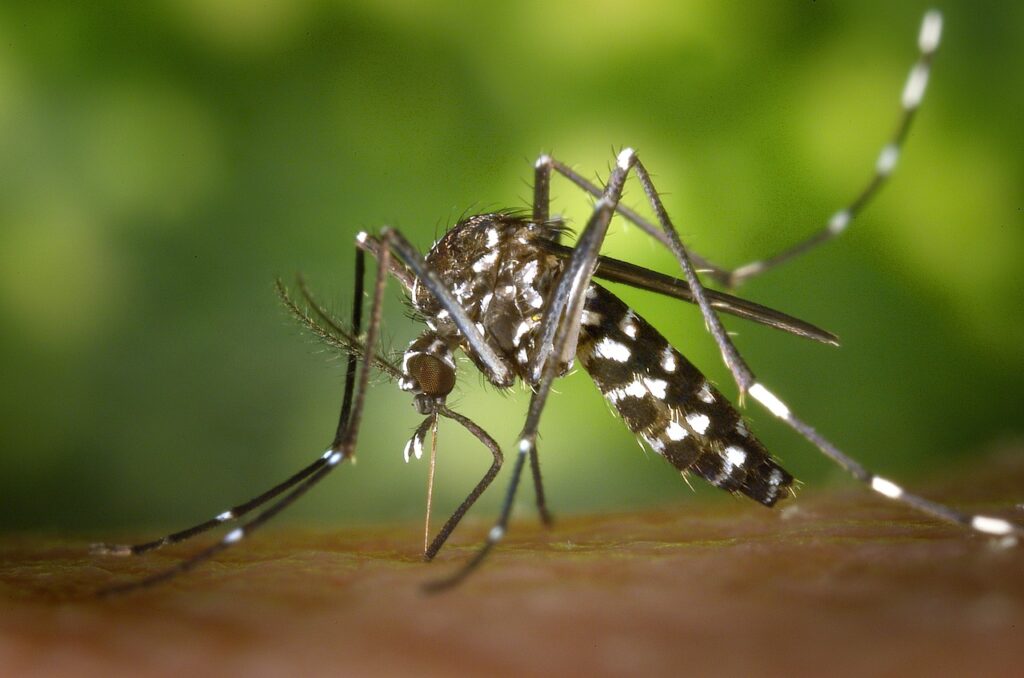
Mosquito control companies use a variety of chemicals to effectively combat mosquito populations and limit disease transmission. They include larvicides, adulticides, and insect growth regulators like pyrethroids, organophosphates, Bti, methoprene, permethrin, and spinosad. Pyrethroids act quickly, but can cause skin irritation, while organophosphates are potent with potential risks. Bacillus Thuringiensis Israelensis (Bti) is favored in sensitive areas, while methoprene hinders larval growth. Permethrin effectively targets mosquitoes but is harmful to aquatic life, and spinosad paralyzes insects with minimal toxicity. These chemicals are essential tools for thorough mosquito management strategies.
Genuine Pest Control is your professional provider of exterminating services. Call us today at (402) 300-8168 for reliable and affordable pest management.
Key Takeaways
- Mosquito control companies use pyrethroids for rapid elimination with relative safety for humans.
- Organophosphates are potent insecticides effective against mosquitoes but with safety concerns for various organisms.
- Methoprene is utilized to disrupt mosquito larvae growth with minimal impact on the environment.
- Permethrin is safe for humans but harmful to aquatic life, killing mosquitoes by disrupting their nervous system.
- Bti (Bacillus thuringiensis israelensis) is preferred for targeting mosquito larvae while sparing non-target species.
Larvicides
Larvicides are chemical agents specifically designed to target mosquito larvae in their breeding sites. These substances are important in mosquito control efforts due to their effectiveness in disrupting the mosquito life cycle. By targeting larvae before they mature into adult mosquitoes, larvicides help reduce the overall mosquito population in an area.
When considering the use of larvicides, it is important to address safety concerns. While larvicides are generally considered safe when applied correctly by trained professionals, there are still potential risks associated with their use. It is necessary to follow guidelines and regulations to minimize any adverse effects on non-target organisms and the environment.
Mosquito control companies often choose larvicides based on their proven effectiveness and safety profiles. By carefully selecting and applying larvicides, these companies can efficiently manage mosquito populations while prioritizing the well-being of the community and the environment. Regular monitoring and assessment of larvicide applications are vital to guarantee that mosquito control efforts are both effective and environmentally responsible.
Adulticides
When addressing adult mosquitoes in mosquito control efforts, adulticides play a vital role in reducing the existing population. Adulticides are chemicals specifically designed to target and eliminate adult mosquitoes. Their effectiveness is evident in rapidly decreasing adult mosquito populations, especially during disease outbreaks or peak mosquito seasons. While adulticides are effective in swiftly reducing adult mosquito numbers, it is important to take into account their potential impact on non-target organisms and the environment.
In recent years, there has been a growing emphasis on exploring adulticide alternatives that are more environmentally friendly and sustainable. Some alternative methods include biological control agents, such as bacteria and fungi, which target adult mosquitoes without causing harm to other organisms. Additionally, the use of mosquito traps and repellents has gained popularity as non-chemical approaches to managing adult mosquito populations.
Insect Growth Regulators
Insect Growth Regulators (IGRs) are chemicals used by mosquito control companies to disrupt the growth and development of mosquitoes, preventing them from reaching maturity and reproducing. These regulators work by targeting specific biological processes in the insect, leading to growth inhibition and ultimately reducing the mosquito population. Evaluating the long-term impact of IGRs on non-target species and the environment is essential to guarantee effective mosquito control without unintended consequences.
Growth Inhibition Mechanisms
In the domain of mosquito control strategies, one effective approach involves the utilization of Growth Inhibition Mechanisms, specifically through the application of Insect Growth Regulators (IGRs). These IGRs work by disrupting the normal development of mosquitoes, targeting their reproductive strategies. By impeding the molting process or inhibiting the production of essential hormones, IGRs interfere with the growth and maturation of mosquito larvae, preventing them from reaching adulthood and reproducing. This disrupts the mosquito population's ability to increase in numbers and perpetuate the nuisance and disease they carry.
IGRs act through specific chemical pathways within the mosquito's body, affecting enzymes or hormones essential for growth and development. By precisely targeting these mechanisms, IGRs offer a targeted and environmentally friendly approach to mosquito control, minimizing harm to non-target organisms. Incorporating IGRs into mosquito control programs can contribute significantly to reducing mosquito populations and the associated risks they pose to public health.
Long-Term Impact Assessment
Following the discussion on Growth Inhibition Mechanisms in mosquito control strategies, it is necessary to evaluate the long-term impact of utilizing Insect Growth Regulators (IGRs). Environmental monitoring plays a pivotal role in evaluating the effects of IGRs on non-target organisms and ecosystems. By conducting regular monitoring, mosquito control companies can verify that the use of IGRs is not causing harm to beneficial insects, aquatic life, or vegetation.
Moreover, examining the public health implications of long-term IGR usage is essential. While IGRs target mosquito larvae and disrupt their growth cycle effectively, understanding any potential risks to human health from prolonged exposure is important. Monitoring the presence of IGR residues in water sources and evaluating their impact on drinking water quality is crucial for safeguarding public health.
Pyrethroids
Pyrethroids are synthetic chemicals commonly used in mosquito control operations. These compounds are known for their effectiveness in rapidly eliminating mosquitoes. When compared to other chemicals, pyrethroids are considered to be relatively safe for humans and animals. However, there are some safety concerns associated with their use. Overexposure to pyrethroids can lead to skin irritation, respiratory issues, and in severe cases, neurological effects. It is important for mosquito control companies to follow strict guidelines and regulations to minimize any potential risks to the environment and public health.
In terms of effectiveness, pyrethroids are highly efficient in killing adult mosquitoes upon contact. They work by disrupting the insects' nervous system, leading to paralysis and eventual death. Pyrethroids are often preferred for outdoor mosquito control due to their quick action and residual effects. While they are generally considered safe when used appropriately, it is crucial for professionals to handle these chemicals with care and ensure proper application techniques to prevent any adverse effects.
Organophosphates
With their potent insecticidal properties, Organophosphates are a group of chemicals commonly used in mosquito control efforts. These chemicals are effective in targeting mosquitoes but come with some safety concerns that need to be addressed. Here are some key points regarding Organophosphates:
- Safety Concerns: Organophosphates are toxic to not only mosquitoes but also to other organisms, including humans and pets. Proper handling and application are important to minimize the risk of exposure and adverse effects.
- Regulatory Guidelines: Due to the potential risks associated with Organophosphates, regulatory authorities have set guidelines and restrictions on their use. It is important for mosquito control companies to adhere to these regulations to guarantee safe and responsible application.
- Protective Measures: When using Organophosphates, wearing appropriate protective gear such as gloves and masks is necessary. Additionally, following recommended dosage levels and application techniques is vital to prevent harm to non-target species and the environment.
Bacillus Thuringiensis Israelensis (Bti)
"Bacillus Thuringiensis Israelensis (Bti) is a commonly used biological larvicide that targets mosquito larvae, effectively controlling their population. One key aspect worth exploring is the environmental impact of Bti, as it is considered safe for non-target organisms. Additionally, understanding the various application methods of Bti can provide insights into its efficacy in mosquito control strategies."
Bti's Mosquito Larvae Control
Bti's Mosquito Larvae Control, known scientifically as Bacillus Thuringiensis Israelensis (Bti), is a widely utilized method in mosquito control programs.
- Bti's Effectiveness: Bti is highly effective in targeting mosquito larvae specifically, preventing them from developing into adult mosquitoes. This targeted approach helps in reducing mosquito populations significantly.
- Bti's Safety: Bti is considered safe for humans, pets, and the environment. Unlike chemical insecticides, Bti specifically targets mosquito larvae and does not harm beneficial insects, fish, birds, or mammals.
- Community Impact: Using Bti in mosquito control programs not only helps in reducing the nuisance caused by mosquitoes but also plays a role in preventing the spread of mosquito-borne diseases like West Nile virus and Zika virus. This contributes to creating safer and healthier communities for everyone.
Bti's Environmental Impact
As mosquito control programs continue to prioritize environmentally friendly solutions, understanding the impact of Bacillus Thuringiensis Israelensis (Bti) on the ecosystem becomes essential. Bti is recognized for its environmental sustainability, as it specifically targets mosquito larvae, minimizing harm to non-target species. This targeted approach contributes to the overall balance of the ecosystem by reducing mosquito populations without widespread negative effects on beneficial insects, fish, birds, or mammals.
The efficacy of Bti application lies in its ability to disrupt the larvae's digestive system upon ingestion, ultimately leading to their demise. This precise mode of action guarantees that only the intended pests are affected, leaving other organisms unharmed. Studies have shown that Bti has minimal impact on the environment when used correctly, making it a preferred choice for mosquito control in sensitive habitats like wetlands. By employing Bti responsibly, mosquito control companies can effectively manage mosquito populations while safeguarding the environment for future generations.
Bti Application Methods
When implementing mosquito control strategies, the application methods for Bacillus Thuringiensis Israelensis (Bti) play an essential role in ensuring targeted and effective pest management. Bti effectiveness is dependent on the application methods used, which can vary based on the specific needs of the area being treated. To maximize the benefits of Bti application, consider the following:
- Direct Application: Applying Bti directly to mosquito breeding sites enhances its effectiveness by delivering the solution precisely where it is needed.
- Aerial Application: Utilizing aerial spraying methods can cover large areas efficiently, ensuring thorough treatment and reaching inaccessible breeding grounds.
- Regular Application: Maintaining a consistent Bti application frequency is vital for sustained mosquito control. Regular treatments help disrupt the mosquito life cycle, reducing the overall population over time.
Methoprene
Methoprene is a commonly used insect growth regulator in mosquito control efforts. It is known for its effectiveness in disrupting the growth and development of mosquito larvae, ultimately reducing the adult mosquito population. Methoprene works by mimicking the juvenile hormone present in insects, preventing larvae from maturing into biting adults.
One of the key advantages of methoprene is its targeted approach, as it primarily affects mosquito larvae and has minimal impact on other organisms in the environment. This makes it a safer option for controlling mosquito populations while minimizing harm to beneficial insects, fish, and other wildlife.
When used according to guidelines and in appropriate concentrations, methoprene has been found to be an effective tool in integrated mosquito management programs. However, it is essential to follow safety precautions and regulations to prevent any potential risks associated with its use. Overall, methoprene stands as a valuable resource in the arsenal of mosquito control companies working diligently to protect public health from vector-borne diseases.
Permethrin
Permethrin is a widely utilized synthetic insecticide in mosquito control operations. It is known for its effectiveness in eliminating adult mosquitoes and larvae. When assessing permethrin for mosquito control, here are some key points to bear in mind:
- Safety: Permethrin is deemed safe for humans and pets when used according to the manufacturer's instructions. However, it can be harmful to fish and other aquatic organisms, so caution must be exercised when applying it near water sources.
- Effectiveness: Permethrin is highly potent in killing mosquitoes on contact. It disrupts the insects' nervous system, leading to paralysis and eventual death. Its residual activity also offers long-lasting protection against mosquitoes in treated areas.
- Environmental Impact: While permethrin is effective in controlling mosquito populations, it is crucial to take into account its potential impact on non-target organisms and the environment. Proper application techniques and adherence to safety guidelines can help minimize any adverse effects.
Spinosad
Spinosad is another insecticide commonly employed by mosquito control companies due to its efficacy in targeting mosquito larvae. Its effectiveness lies in its ability to disrupt the nervous system of insects, leading to paralysis and ultimately death. This natural substance, derived from soil bacteria, has shown promising results in reducing mosquito populations without causing harm to non-target organisms.
When considering the safety profile of Spinosad, it is important to note that it has low toxicity levels for humans and other mammals. This makes it a preferred choice for mosquito control in residential areas where people and pets frequent. Additionally, Spinosad is biodegradable, breaking down quickly in the environment and posing minimal risk to aquatic life.
Frequently Asked Questions
Are These Chemicals Harmful to Pets and Wildlife?
When considering mosquito control measures, prioritizing pet safety and environmental impact is key. Certain chemicals used by companies can be harmful to pets and wildlife. Choosing eco-friendly alternatives is necessary to mitigate potential risks.
How Long Do These Chemicals Remain Effective in Controlling Mosquitoes?
Like a shield standing tall, mosquito control chemicals can remain effective for weeks, depending on environmental factors. Proper application techniques minimize environmental impact and residue levels, reducing the risk of resistance development in mosquitoes.
Do These Chemicals Have Any Adverse Effects on Humans?
When considering mosquito control chemicals, it's essential to evaluate their impact on human health and the environment. Understanding potential adverse effects on humans and the surrounding ecosystem is vital for ensuring the safety and effectiveness of mosquito control measures.
What Is the Recommended Frequency of Application for These Chemicals?
The recommended frequency of application for mosquito control chemicals is determined by various factors, including environmental impact, safety concerns, and cost effectiveness. Different application methods, such as fogging or larviciding, may require varying frequencies to maintain efficacy.
Can These Chemicals Be Used Safely Around Bodies of Water?
When safeguarding marine environments, it's important to implement water safety precautions for chemical use near bodies of water by conducting environmental impact assessments. Guarantee safe practices to protect the ecosystem and those within it.