
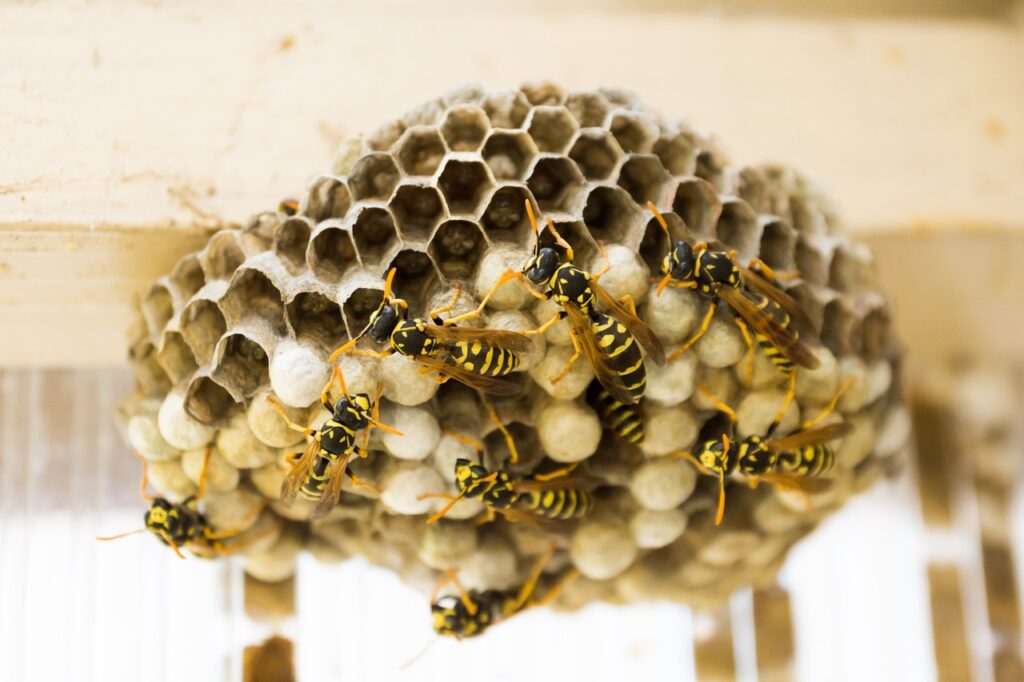
Vinegar is a proven natural repellent that effectively keeps yellow jackets away, particularly during outdoor activities. Mixing equal parts of vinegar and water in a spray bottle can help deter these pests, with a higher concentration potentially yielding better results. Regular reapplication, especially after rain, is key to maintaining effectiveness. Understanding yellow jackets' sensory perception sheds light on their response to repellents like vinegar, disrupting their olfactory senses to deter them effectively. By incorporating vinegar into pest management strategies, such as using essential oils for enhanced repellent properties, you can naturally combat yellow jackets and prevent infestations.
Genuine Pest Control is your professional provider of exterminating services. Call us today at (402) 300-8168 for reliable and affordable pest management.
Key Takeaways
- Vinegar's strong odor deters yellow jackets.
- Acetic acid disrupts yellow jackets' sensory receptors.
- Regular reapplication maintains effectiveness.
- Mixing with essential oils can enhance repellent properties.
- Vinegar is a natural, non-toxic option for pest control.
Vinegar as a Yellow Jacket Repellent
Yellow jackets can be a nuisance during outdoor gatherings, especially in the summer months. When looking for natural repellents, vinegar is a popular option. To use vinegar as a yellow jacket repellent, it is recommended to mix equal parts of vinegar and water in a spray bottle. The strong scent of vinegar acts as a deterrent for yellow jackets, helping to keep them away from the area.
It is important to note that the effectiveness of vinegar as a repellent may vary based on the concentration used. A higher vinegar concentration may yield better results in deterring yellow jackets. Additionally, it is essential to reapply the vinegar spray regularly, especially after rain or when the scent starts to fade.
While vinegar is a commonly used repellent, there are alternative natural repellents that can also help keep yellow jackets at bay. These alternatives include essential oils like peppermint, citronella, and eucalyptus, as well as planting certain herbs like mint and basil around outdoor spaces to deter these pests.
Understanding Yellow Jackets' Sensitivity
To effectively repel yellow jackets, it is important to understand their sensory perception and sensitivity to certain scents. Yellow jackets are highly sensitive to odors, which plays a significant role in their foraging behavior and nest defense mechanisms. By utilizing substances like vinegar, which disrupt their olfactory senses, it is possible to deter these insects from specific areas effectively.
Yellow Jackets' Sensory Perception
With their want sensory perception, yellow jackets possess a remarkable ability to detect various stimuli in their environment. Their sensory abilities enable them to explore and interact with the world around them efficiently. Yellow jackets rely on:
- Chemical signals: Yellow jackets are highly sensitive to pheromones released by their colony members, aiding in communication and coordination within the nest.
- Visual cues: These insects have compound eyes that allow them to detect motion and differentiate between colors and shapes, helping them in foraging and exploring.
- Tactile sensitivity: Yellow jackets use their sensitive antennae to touch and explore their surroundings, assisting in locating food sources and potential threats.
Understanding the intricacies of yellow jackets' sensory perception sheds light on their behavior and how they respond to repellents. This knowledge is vital in developing effective strategies to manage yellow jacket populations and mitigate potential conflicts with humans.
Vinegar Repellent Efficacy
When examining the efficacy of vinegar as a repellent against yellow jackets, it is essential to take into account the unique sensitivity of these insects to certain odors and substances. Yellow jackets are highly sensitive to smells, making them particularly responsive to vinegar, which has a strong odor. The effectiveness of vinegar as a repellent can be influenced by factors such as vinegar concentration and application frequency.
Vinegar Repellent Efficacy
To understand how to use vinegar effectively against yellow jackets, consider the following:
| Vinegar Concentration | Application Frequency |
|---|---|
| High concentration may be more potent in repelling yellow jackets. | Frequent application may be necessary, especially in high yellow jacket activity areas. |
| Lower concentrations may be less effective in deterring yellow jackets. | Regular reapplication can help maintain the repellent effect. |
| Experiment with different concentrations to find the most effective repellent. | Adjust the frequency based on yellow jacket behavior and attraction. |
How to Make a Vinegar Repellent
How effective is vinegar as a repellent for yellow jackets? Vinegar mixtures can be a natural and safe way to deter these pesky insects. Here are three simple steps to make a vinegar repellent for yellow jackets:
- Vinegar and Water Solution: Mix equal parts of white vinegar and water in a spray bottle. Shake well to make certain the solution is thoroughly combined.
- Add Essential Oils: Consider including a few drops of essential oils such as peppermint, eucalyptus, or clove to enhance the repellent properties of the mixture.
- Spray Around Problem Areas: Spray the vinegar repellent around potential entry points for yellow jackets, such as doorways, windows, or outdoor eating areas.
Applying Vinegar Safely Outdoors
When applying vinegar outdoors to repel yellow jackets, safety measures are essential to prevent any harm to yourself or the environment. Understanding the proper techniques for effective application can make a significant difference in the outcome. By following recommended guidelines, you can safely and efficiently use vinegar as a repellent for yellow jackets.
Vinegar for Yellow Jackets
During outdoor activities, encountering yellow jackets can disrupt the enjoyment of the surrounding environment. To address this concern, natural deterrents like vinegar can be used effectively for insect control. Here are a few tips on applying vinegar safely outdoors:
- Create a Vinegar Spray: Mix equal parts of water and vinegar in a spray bottle to create a natural and environmentally friendly yellow jacket deterrent.
- Spray Near Entry Points: Target areas where yellow jackets may access your outdoor space, such as doorways, windows, and cracks in the walls, to prevent them from entering.
- Refresh Regularly: Reapply the vinegar spray every few days or after rain to guarantee its effectiveness in deterring yellow jackets from your surroundings.
Outdoor Safety Measures
Continuing with the focus on using vinegar as a natural deterrent for yellow jackets, outdoor safety measures play a key role in guaranteeing the effective application of this method. When utilizing natural alternatives like vinegar for pest control, it's important to do so in a safe manner, especially when applying it outdoors.
To ensure outdoor safety when using vinegar to keep yellow jackets away, consider the following measures. To start with, always wear protective clothing such as long sleeves, pants, gloves, and closed-toe shoes to prevent any accidental contact with the vinegar solution. Next, apply the vinegar in well-ventilated areas to avoid inhaling the strong odor. Additionally, keep children and pets away from the treated areas to prevent any potential harm.
Effective Application Techniques
For the successful application of vinegar as a natural deterrent for yellow jackets outdoors, employing effective techniques is crucial. When applying vinegar safely outdoors to keep yellow jackets away, it is pivotal to take safety precautions and follow application tips to achieve the best results.
- Safety Precautions:
- Wear protective attire such as long sleeves, pants, closed-toe shoes, and gloves to prevent any accidental stings.
- Select a time of day when yellow jackets are less active, typically early morning or late evening, to minimize the risk of encountering them during application.
- Keep children and pets away from the area where vinegar is being applied to avoid any potential hazards.
- Application Tips:
- Combine vinegar with water in a spray bottle for easy and controlled application.
- Directly spray vinegar solution on potential yellow jacket nesting areas like eaves, doorways, and window frames.
- Reapply the vinegar solution after rain or every few days for sustained effectiveness against yellow jackets.
Does Vinegar Repel Yellow Jackets Effectively?
To determine the effectiveness of vinegar in repelling yellow jackets, it is essential to understand the science behind this natural remedy. Vinegar is believed to work as a repellent due to its strong scent that interferes with the insects' ability to detect food sources and pheromones. Yellow jackets are known for their want sense of smell, which they use to locate food and communicate with others in their colony. When vinegar is introduced into their environment, it can confuse and deter them from lingering in the area.
While vinegar may help in deterring yellow jackets, its effectiveness can vary depending on factors such as the concentration of vinegar used, the specific species of yellow jackets present, and the attractiveness of other food sources nearby. It is important to note that vinegar might not provide a foolproof solution to repel yellow jackets in all situations. Thus, combining vinegar with other preventive measures and being cautious around areas where yellow jackets are active is advisable for effective pest management.
Vinegar Vs. Commercial Repellents
When it comes to repelling yellow jackets, many individuals weigh the effectiveness of vinegar against that of commercial repellents. Understanding vinegar's efficacy, the benefits it offers, and how it compares to commercially available options is pivotal for making an informed decision on the best repellent to use. By examining these aspects, individuals can determine which option aligns best with their needs for effectively managing yellow jacket infestations.
Vinegar's Effectiveness Against Yellow Jackets
In the field of pest control, the efficacy of vinegar as a repellent against yellow jackets has been a topic of interest. Vinegar, with its strong odor and acidic properties, is believed to deter yellow jackets from nesting in specific areas. When used as a repellent, vinegar offers a natural and safe alternative compared to commercial products that may contain harsh chemicals.
- Natural Deterrent: The pungent smell of vinegar can help mask the scents that attract yellow jackets, making an area less appealing to them.
- Eco-Friendly Option: Vinegar is a safer choice for the environment and can be applied without concerns about harmful residues.
- Easy Application: Applying vinegar as a repellent is simple and cost-effective, requiring just a spray bottle and the vinegar itself.
While vinegar shows promise as a repellent against yellow jackets, its effectiveness may vary depending on the specific situation and the severity of the infestation.
Benefits of Using Vinegar
Comparing vinegar to commercial repellents highlights several benefits of choosing vinegar as a natural alternative for deterring yellow jackets. Vinegar offers a safe and eco-friendly option for pest control, making it a popular choice for those looking for natural alternatives. Here are some key benefits of using vinegar compared to commercial repellents:
| Benefits of Using Vinegar | ||
|---|---|---|
| 1. Natural | 2. Eco-friendly | 3. Cost-effective |
| Vinegar is a natural ingredient that is safe for the environment and does not harm other beneficial insects. | Using vinegar as a yellow jacket deterrent is a sustainable pest control method that reduces the need for harmful chemicals. | Vinegar is a cost-effective solution for pest control, as it is readily available and affordable. |
| 4. Versatile | 5. Easy to Use | 6. Safe for Pets |
| Vinegar can be used in various ways to repel yellow jackets, whether sprayed directly or used in traps. | Vinegar is easy to apply and does not require special equipment, making it convenient for homeowners. | Unlike some commercial repellents, vinegar is non-toxic and safe for pets when used responsibly. |
Comparison With Commercial Repellents
Having established the advantages of using vinegar for deterring yellow jackets, it is pertinent to contrast its effectiveness with that of commercial repellents. When comparing vinegar with commercial repellents as natural alternatives for yellow jacket control, several key points emerge:
- Environmentally friendly: Vinegar is a natural product that does not harm the environment, unlike some chemical-based commercial repellents.
- Cost-effective: Vinegar is generally more affordable and readily available compared to many commercial repellents, making it a budget-friendly option for those seeking a natural solution.
- Safety: Vinegar is non-toxic and safe for use around children and pets, whereas some commercial repellents may contain harsh chemicals that pose risks to health.
In the domain of repellent comparison, the natural attributes of vinegar make it a compelling choice for individuals looking to deter yellow jackets without resorting to potentially harmful chemicals found in certain commercial products.
Considerations for Using Vinegar
With the increasing concern regarding chemical insecticides, vinegar has emerged as a popular natural substitute for managing yellow jackets. When using vinegar as a repellent, it is crucial to take certain precautions to ensure its efficacy. First, vinegar should be used with care around food and cooking areas to avoid contamination. Additionally, although vinegar is a natural solution, some individuals may be sensitive to its potent scent or acidic properties, so it is advisable to test a small area first. In situations where vinegar may not be suitable, there are alternatives such as essential oils like peppermint or citronella that can also deter yellow jackets naturally. It is worth mentioning that while vinegar can be effective in repelling yellow jackets, it may not completely eradicate the pests. Regular monitoring and combining vinegar with other preventive measures may enhance its overall effectiveness in managing yellow jackets around your home.
Tips for Enhancing Vinegar's Effectiveness
To maximize the effectiveness of vinegar in deterring yellow jackets, incorporating strategic placement and regular replenishment can greatly enhance its impact. When using vinegar as a natural repellent, consider the following tips to make the most out of its potency:
- Dilution ratio: Mix vinegar with water in a 1:1 ratio to create a solution that is potent enough to repel yellow jackets but not overpowering.
- Strategic placement: Identify key entry points or areas where yellow jackets are most active and apply the vinegar solution there.
- Regular renewal: Reapply the vinegar solution every few days, especially after rain or when the scent diminishes, to secure its effectiveness in deterring yellow jackets.
Monitoring Yellow Jacket Activity
Yellow jacket activity can vary throughout the day, making monitoring an important aspect of effective pest management. Understanding yellow jacket behavior patterns is pivotal in determining the best time to apply repellent alternatives. Yellow jackets are most active during the day, especially in the early morning and late afternoon. By monitoring their movements, you can identify high-traffic areas and times when they are most likely to be aggressive.
When monitoring yellow jacket activity, keep an eye out for signs of nest building or increased foraging behavior. Nests are usually located in underground burrows, hollow trees, or wall voids. If you notice an increase in yellow jacket presence near a particular area, it may indicate the proximity of a nest.
Regular monitoring allows for early intervention, preventing potential stings and infestations. By staying vigilant and observant of yellow jacket behavior, you can proactively manage their presence and protect your surroundings from these stinging insects.
Conclusion: Vinegar as a Natural Deterrent
In pest management, utilizing natural deterrents can be a sustainable and eco-friendly approach to controlling yellow jacket populations. When considering vinegar as a natural alternative for pest control, there are a few key points to keep in mind:
- Non-toxic Solution: Vinegar is a non-toxic substance, making it safe for the environment, pets, and humans.
- Pungent Odor: The strong smell of vinegar can act as a repellent for yellow jackets, deterring them from nesting or foraging in specific areas.
- Affordability and Accessibility: Vinegar is a cost-effective and readily available solution that can be easily incorporated into existing pest management strategies.
Frequently Asked Questions
Will Vinegar Attract Other Pests Like Ants or Flies?
When considering the use of vinegar to deter pests, it should be emphasized that while vinegar can repel yellow jackets, it may attract other pests like ants or flies due to its strong odor and sweetness.
Can Vinegar Be Used Indoors to Repel Yellow Jackets?
When used indoors, vinegar has proven effectiveness in repelling yellow jackets. Its repellent properties act as a shield against these pests. Like a guardian, vinegar creates a barrier that deters yellow jackets, ensuring a pest-free environment.
How Often Should Vinegar Be Reapplied for Effectiveness?
For best effectiveness in repelling yellow jackets, vinegar should be reapplied every 2-3 days. Its potency diminishes over time, so frequent application maximizes a lasting barrier. Consistency in vinegar application is key to maintaining its deterrent effect.
Is There a Specific Type of Vinegar That Works Best?
In selecting vinegar for effectiveness, consider white vinegar as a versatile option. Alternatively, apple cider vinegar offers a milder scent. When applying vinegar, dilute with water as a precaution to prevent potential skin irritation. Reapply as needed.
Does the Scent of Vinegar Linger After Application?
The effectiveness of vinegar in deterring yellow jackets is well-known, but concerns about its lingering scent after application persist. Users should consider proper dilution and ventilation to manage any potential olfactory issues.


