
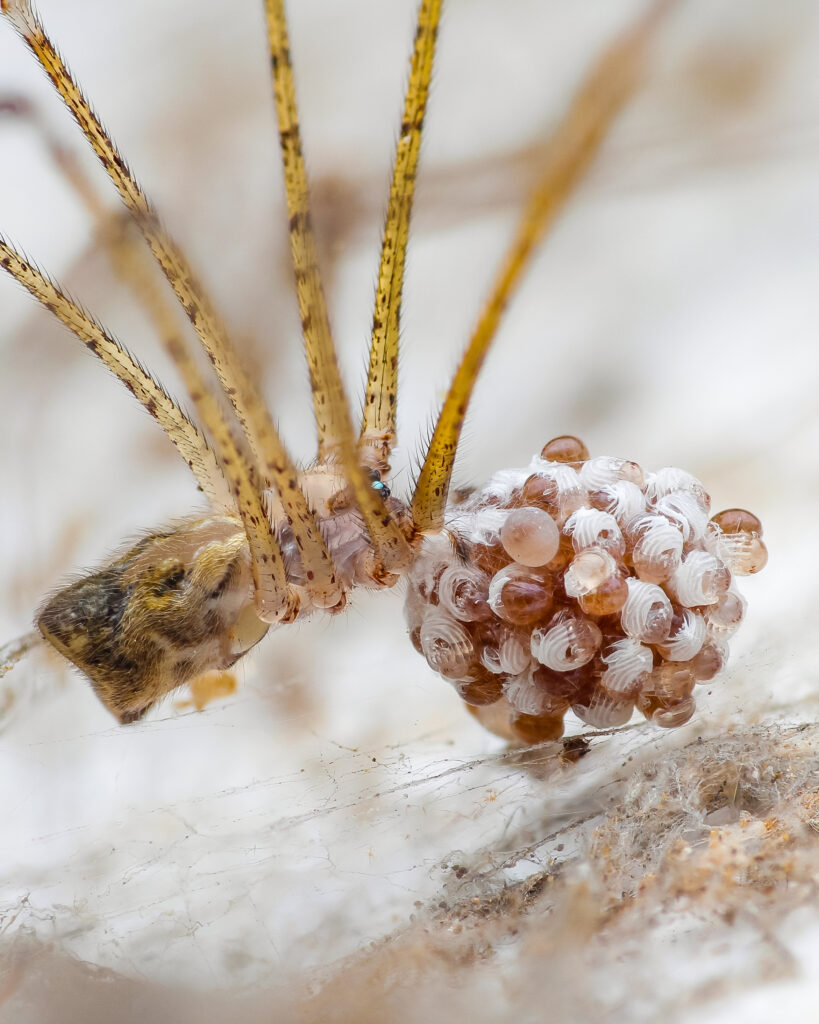
To tackle hundreds of baby spiders, start by identifying their nest areas like basements or corners. Safely remove webs using a vacuum with protective gear such as gloves. Utilize tools like a web brush and dispose of the webs in a sealed bag. Create a spider-repelling environment using essential oils, vinegar, citrus peels, or cedar blocks. Prevent future infestations by sealing entry points, decluttering, and maintaining cleanliness. Pest control services offer effective solutions using specialized pesticides. By following these steps, you can effectively manage the baby spider population in your home.
Genuine Pest Control is your professional provider of exterminating services. Call us today at (402) 300-8168 for reliable and affordable pest management.
Key Takeaways
- Vacuum up baby spiders and webs carefully to remove them.
- Seal entry points to prevent more spiders from entering.
- Use natural repellents like peppermint oil to deter spiders.
- Declutter the area to eliminate hiding spots for spiders.
- Seek professional pest control services for severe infestations.
Identifying the Spider Infestation
Occasionally, homeowners may be faced with the unsettling discovery of a spider infestation within their living spaces. Identifying the spider species and nest locations is essential in addressing this issue. Common spider species found in homes include cellar spiders, house spiders, and wolf spiders. These arachnids often build their nests in secluded areas such as basements, attics, closets, and corners of rooms. Cellar spiders are known for their messy, irregular webs found in dark and damp locations, while house spiders prefer building webs in warm and dry areas. Wolf spiders, on the other hand, often create burrows in the ground or hidden spots like underneath furniture.
When homeowners notice an increase in spider sightings or webs in these nest locations, it is a clear indication of a potential infestation. By being aware of the spider species and their preferred nest locations, individuals can take proactive measures to address the issue before it escalates.
Removing Spider Webs Safely
To guarantee safe spider web removal, it is vital to use appropriate tools and techniques. Removing spider webs safely demands caution and precision to avoid harming yourself or the environment. Understanding the tools needed for web removal is pivotal in effectively clearing out spider webs from your home.
Safe Spider Web Removal
When dealing with the task of removing spider webs safely, it is crucial to approach the process with caution and precision. Spider prevention and effective removal are key to maintaining a spider-free environment. Here are four simple steps to safely remove spider webs:
- Inspect the Area: Before removing any spider webs, carefully inspect the surroundings to verify there are no active spiders present.
- Use a Vacuum: A vacuum with a hose attachment can be an effective tool for eliminating spider webs from ceilings, corners, and other hard-to-reach areas.
- Wear Protective Gear: To avoid any potential spider bites or allergic reactions, consider wearing gloves and long sleeves while eliminating spider webs.
- Dispose of the Web: After removing the webs, seal them in a plastic bag before discarding them in an outdoor trash bin to deter any spiders from returning.
Tools for Web Removal
Examining and safely removing spider webs requires the right tools to guarantee a thorough and efficient process. A web brush is a handy tool for gently sweeping away spider webs without causing damage to surfaces. When using a vacuum cleaner, make sure to attach a nozzle or brush attachment to effectively remove webs from ceilings, corners, and walls.
In addition to tools, spider repellents can be helpful in deterring spiders from rebuilding webs in the same location. Some individuals prefer using essential oils like peppermint, tea tree, or citrus as natural spider repellents. Spraying these oils around window sills, doorways, and other entry points can discourage spiders from creating webs in those areas.
Natural Repellents for Spiders
Among the various methods for keeping spiders at bay, natural repellents offer a safe and environmentally-friendly solution. Here are four effective natural repellents that can help you deter spiders from invading your space:
- Essential Oils: Spiders dislike strong scents like peppermint, tea tree, and lavender. Create a DIY spray by mixing a few drops of these essential oils with water and spray it around entry points and corners.
- Vinegar: Spiders are repelled by the smell of vinegar. Mix equal parts of water and white vinegar in a spray bottle and use it to wipe down surfaces or spray in spider-prone areas.
- Citrus Repellents: Citrus fruits like lemons and oranges contain compounds that spiders find unpleasant. Rub citrus peels along baseboards or place them strategically to keep spiders away.
- Cedar: Cedar blocks or shavings have a strong aroma that spiders dislike. Place them in closets, drawers, or other areas where spiders tend to hide.
Using these natural repellents can help create a spider-free environment in your home without the need for harsh chemicals.
Preventing Future Spider Infestations
To prevent future spider infestations, it is essential to seal off any potential entry points in your home, such as cracks and gaps in walls or windows. Additionally, reducing clutter in your living spaces can help eliminate hiding spots for spiders to build their webs. Maintaining a regular cleaning routine, including vacuuming and dusting, can also deter spiders from making themselves at home in your living spaces.
Seal Entry Points
Identifying and sealing entry points is a vital step in preventing future spider infestations. To safeguard your home from these unwelcome guests, follow these simple steps:
- Entry Point Assessment: Begin by thoroughly inspecting your home for any gaps, cracks, or openings that spiders could use to enter. Common entry points include gaps around windows and doors, holes in walls, and gaps around utility lines.
- Weather Stripping: Install weather stripping around doors and windows to create a tight seal. This will not only keep spiders out but also help with energy efficiency in your home.
- Seal Cracks and Holes: Use caulk to seal any cracks or holes you find during your assessment. Pay special attention to areas where pipes or wires enter your home.
- Repair Damaged Screens: Make sure that screens on windows and doors are intact and without any holes that could allow spiders to crawl into your living spaces.
Reduce Clutter
Clearing clutter in your living spaces is a key strategy in preventing future spider infestations. Spiders are attracted to cluttered areas where they can easily hide and build their webs. To keep spiders at bay, decluttering tips and organizing solutions can make a significant difference. Start by decluttering areas such as closets, basements, and attics, where spiders tend to thrive in undisturbed piles of items. Store belongings in sealed containers to minimize potential hiding spots for spiders. Implementing a systematic approach to decluttering will not only create a more organized living environment but also reduce the likelihood of spider infestations.
Organizing solutions like shelving units, hooks, and storage bins can help keep your belongings off the floor and walls, further minimizing spaces where spiders can nest. Regularly assess your living spaces for clutter buildup and take proactive steps to maintain a tidy environment. By incorporating these decluttering tips and organizing solutions into your routine, you can effectively deter spiders from making themselves at home in your living spaces.
Regular Cleaning Routine
Implementing a regular cleaning routine is a fundamental step in preventing future spider infestations in your home. By keeping your living spaces clean and clutter-free, you can significantly reduce the chances of spiders finding a cozy spot to settle in. Here are some cleaning tips and prevention measures to help keep those pesky spiders at bay:
- Vacuum frequently: Regular vacuuming helps eliminate spider webs, eggs, and small insects that spiders feed on.
- Dust regularly: Dusting corners, ceilings, and behind furniture prevents spiders from building their webs in undisturbed areas.
- Seal cracks and crevices: Use caulk to seal any gaps in walls, windows, and doors to block spider entry points.
- Declutter: Remove unnecessary items like old boxes, stacks of newspapers, and clothing piles that provide hiding spots for spiders.
Professional Pest Control Options
When faced with a significant infestation of baby spiders, homeowners may find it necessary to turn to professional pest control options. Professional pest control services offer effective solutions to eradicate spider infestations. Exterminator services provide trained professionals who can assess the severity of the infestation and recommend appropriate treatment methods.
One common method used by pest control professionals is chemical treatments. These treatments involve the application of specialized pesticides that target spiders and their eggs, effectively eliminating them from the home. Pest control experts have the knowledge and experience to use these chemicals safely and effectively, minimizing any potential risks to residents and pets.
Ensuring a Spider-Free Home
To maintain a spider-free home, consistent and thorough cleaning practices are essential. By following some simple steps, you can prevent spiders from invading your living space and secure a comfortable environment for yourself and your family:
- Seal Entry Points: Inspect your home for any cracks, gaps, or openings where spiders can enter. Seal these entry points using caulk or weatherstripping to block their access.
- Declutter Regularly: Spiders love cluttered areas as they provide hiding spots. Keep your home organized and free of clutter to reduce potential spider habitats.
- Vacuum Frequently: Regular vacuuming helps to eliminate spiders, their webs, and eggs. Pay special attention to corners, ceilings, and other secluded areas where spiders tend to hide.
- Use Natural Repellents: Consider using natural spider repellents like peppermint oil, vinegar, or citrus peels to deter spiders from entering your home.
Frequently Asked Questions
Can Baby Spiders Harm Humans?
Baby spiders are generally not harmful to humans. Their small size and undeveloped venom make them less dangerous. Understanding spider behavior can help alleviate fears. If needed, effective extermination methods under professional guidance can control spider populations safely.
Do Baby Spiders Have Venom?
While most baby spiders do not have fully developed venom glands, some species, like the black widow, can be venomous from birth. Spider bite symptoms vary but can include redness, swelling, pain, and in severe cases, muscle cramps.
How Long Do Baby Spiders Live?
Baby spiders have varying lifespans, with some living only a few weeks to several months. Their lifespan is influenced by factors like species, environment, and availability of food. They exhibit solitary behavior until maturity.
Can Baby Spiders Infest Furniture?
Baby spiders can infest furniture, posing a nuisance and potential threat. Prevention methods involve regular cleaning, sealing cracks, and reducing clutter. Vacuuming, using essential oils with spider-repellent properties, and seeking professional pest control can help deter infestations effectively.
Are Baby Spiders Attracted to Certain Scents?
Certain scents can repel baby spiders naturally. Essential oils like peppermint, tea tree, and lavender are known to deter spiders. Placing these natural repellents strategically can help keep baby spiders away from your living spaces.


