
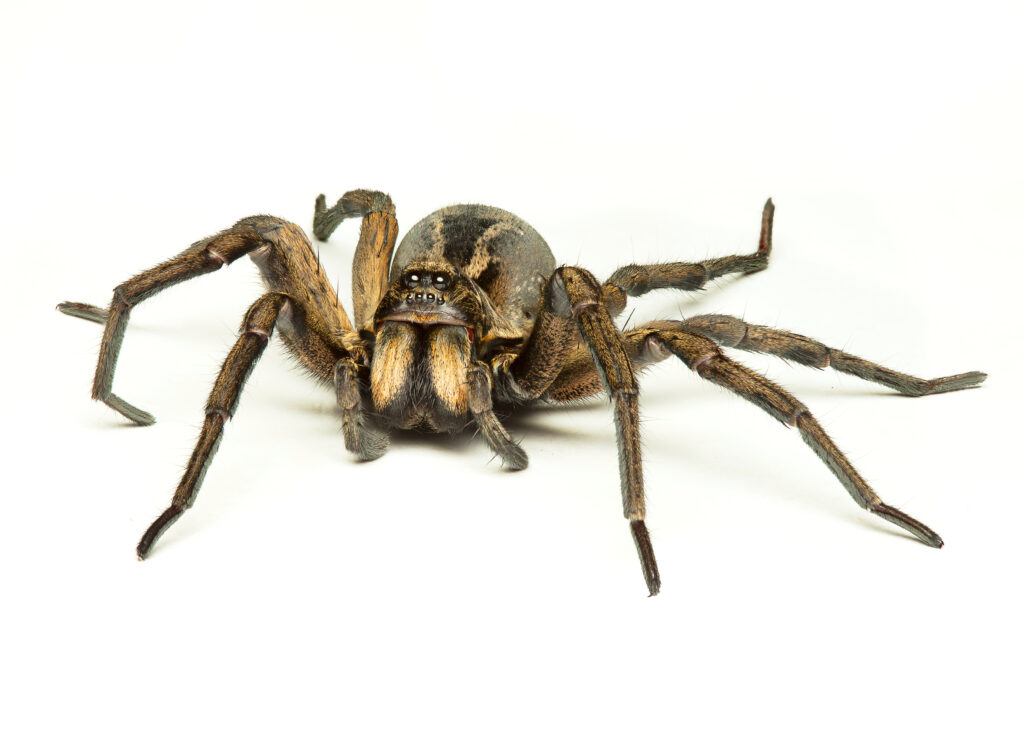
Spiders typically lay eggs in houses in dark, undisturbed places like cracks in basements, behind furniture, cluttered spaces such as storage rooms, and even ceiling corners. They are drawn to areas with poor insulation, making proper attic insulation essential. Spiders can also use outdoor entry points like window sills and gaps in garage or sheds. Regular inspections and decluttering are vital to prevent infestations, while maintaining clean ceiling corners can reduce the chances of egg sacs. Understanding where spiders prefer to lay eggs can help you keep your home spider-free.
Genuine Pest Control is your professional provider of exterminating services. Call us today at (402) 300-8168 for reliable and affordable pest management.
Key Takeaways
- Spiders lay eggs in dark, undisturbed areas like basements and attics.
- Outdoor entry points such as window sills and gaps in garages attract spiders.
- Cluttered spaces like storage rooms provide ideal egg-laying spots for spiders.
- Ceiling corners and behind furniture are common locations for spider egg sacs.
- Regular cleaning and decluttering are essential to prevent spider infestations.
Dark and Undisturbed Areas
In houses, dark and undisturbed areas serve as ideal nesting spots for spiders to lay their eggs. Spiders are drawn to locations like attics with poor insulation, where they can find warmth and protection. The cracks in basements provide another appealing environment for spiders to lay their eggs, as these small openings offer privacy and security. It is important for homeowners to address these areas to prevent spider infestations and the potential risks they pose.
Proper attic insulation is necessary to deter spiders from making nests and laying eggs. By ensuring the attic is well-insulated, homeowners can reduce the attractiveness of this space to spiders. Additionally, sealing basement cracks can notably decrease the likelihood of spiders using this area for egg-laying. Regular inspections and maintenance to identify and seal any potential entry points for spiders are essential in maintaining a spider-free environment within the house. By addressing these dark and undisturbed areas, homeowners can effectively minimize the chances of spiders laying eggs inside their homes.
Outdoor Entry Points
To effectively address the issue of spiders laying eggs inside houses, it is important to take into account the potential outdoor entry points that these arachnids utilize to gain access to residential spaces. Spiders often find their way indoors through various entry points around the house. Window sills and crevices, especially those with damaged seals, offer easy access for spiders to crawl inside. Additionally, gaps or cracks in the garage or sheds can serve as entry points for these creatures.
Window sills, commonly overlooked, can provide spiders with a pathway into homes if not properly sealed. Checking and maintaining these areas can help prevent easy access for spiders looking for a place to lay their eggs. Similarly, ensuring that garages and sheds are properly sealed and free of gaps can help minimize the chances of spiders finding their way indoors. By being mindful of these outdoor entry points and taking preventive measures, homeowners can reduce the likelihood of spiders laying eggs inside their houses.
Cluttered Spaces
Amid concerns about spiders laying eggs inside houses, the issue of cluttered spaces cannot be overlooked. Hidden nooks and overlooked corners in cluttered areas provide ideal locations for spiders to lay their eggs. Spiders are attracted to cluttered spaces as they offer protection and a lack of disturbance, creating a suitable environment for egg-laying.
Cluttered spaces such as storage rooms, attics, and basements are common areas where spiders can thrive unnoticed. Piles of boxes, old furniture, and unused items in these spaces create numerous hiding spots for spiders to lay their eggs undisturbed. Additionally, cluttered areas often have a build-up of dust and debris, which further attracts spiders seeking to lay their eggs in secluded spots.
To prevent spiders from laying eggs in cluttered spaces, it is essential to regularly declutter and clean these areas. By organizing and removing unnecessary items, hidden nooks and overlooked corners where spiders could potentially lay eggs can be minimized, reducing the risk of spider infestations in homes.
Ceiling Corners
Nestled high above eye level, ceiling corners serve as prime real estate for spiders seeking a secure location to build their webs and lay eggs. These areas often go unnoticed, allowing spiders to work undisturbed, creating intricate webs that may go unseen until they are dusty cobwebs. The invisible nature of these webs adds to the surprise of discovering them in the corners of your ceiling.
| Features | Description |
|---|---|
| Location | Elevated beyond eye level |
| Web Visibility | Initially unseen |
| Maintenance | Easily missed |
The dusty cobwebs hanging in ceiling corners can indicate spider activity and potential egg-laying sites. Regularly checking and cleaning these areas can help prevent spider populations from growing in your home. By being proactive in maintaining these spaces, you can confirm a spider-free environment and reduce the chances of finding egg sacs in your ceiling corners.
Behind Furniture
Positioned discreetly out of sight, behind furniture presents an ideal location for spiders to establish their homes and lay eggs. In such secluded spots, these arachnids can thrive without disturbance, leading to potential infestations. Here are some reasons why spiders choose to lay eggs behind furniture:
- Under beds: The dark and often undisturbed space under beds provides spiders with a safe haven to build their webs and lay eggs. Dust and debris can accumulate in these areas, attracting prey for the spiders to feed on.
- Inside closets: Closets offer a quiet environment with minimal foot traffic, making them an attractive spot for spiders to lay eggs. Cluttered closets provide ample hiding spots for spiders to nest and reproduce.
- Limited disturbances: Behind furniture, especially under beds and inside closets, spiders are less likely to face disturbances from humans or pets, allowing them to thrive undisturbed.
- Access to prey: Spiders strategically position themselves behind furniture to have easy access to insects that may be attracted to the darkness and warmth of these hidden spaces.
Frequently Asked Questions
Can Spiders Lay Eggs in Bedding or Clothing?
When addressing the concern of spiders potentially laying eggs in bedding or clothing, it is essential to conduct thorough bedding inspection and clothing examination. Prevention tips include regular cleaning, sealing cracks, and utilizing vacuuming. Removal techniques involve carefully washing and drying affected items.
Do Spiders Lay Eggs in Kitchen Cabinets?
Spiders typically avoid laying eggs in kitchen cabinets, favoring undisturbed areas like pantry shelves or under sinks. These dark, secluded spots provide ideal conditions for egg-laying. Regular cleaning and sealing cracks can help deter spiders from nesting in these areas.
Are Spiders Likely to Lay Eggs in Electronics?
Spiders are unlikely to lay eggs in electronics, as they prefer dark, secluded areas like attic insulation or basement clutter. These spaces provide ideal conditions for egg incubation. Regularly decluttering and sealing cracks can deter spider infestations in homes.
Can Spiders Lay Eggs in Bathroom Fixtures?
It is uncommon for spiders to lay eggs in bathroom fixtures such as shower drains or sink faucets. Spiders typically seek dark, secluded areas for egg-laying, making fixtures like these less attractive options for them to deposit their eggs.
Do Spiders Lay Eggs in Air Vents?
Spiders, seeking shelter and warmth, may lay eggs in air vents, especially in unattended attic spaces or neglected basement corners. Professional pest control services can inspect, clean, and seal these areas to prevent infestations.


