
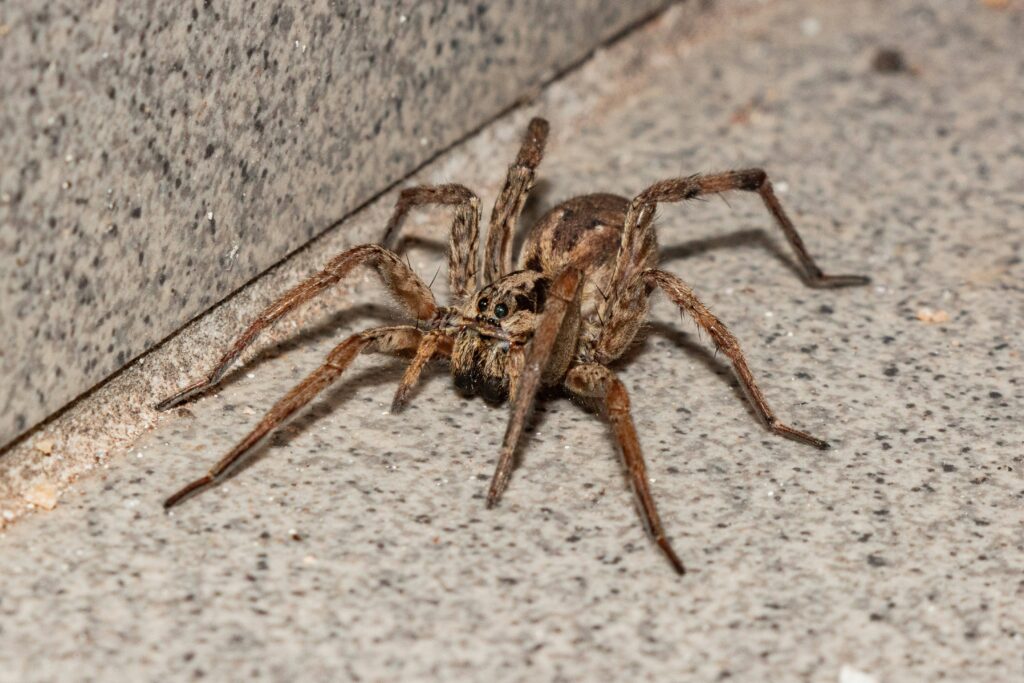
To safeguard yourself from spiders while sleeping, conduct regular mattress and bedding checks, seal cracks, and openings in walls and furniture, use essential oils like peppermint or lavender as natural repellents, maintain cleanliness by decluttering and cleaning your room regularly, set up spider traps and repellent sprays, and keep outdoor vegetation trimmed. Additionally, considering professional pest control services can offer specialized advice and effective spider eradication methods tailored to your needs. These strategies will help create a spider-free sleeping environment.
Genuine Pest Control is your professional provider of exterminating services. Call us today at (402) 300-8168 for reliable and affordable pest management.
Key Takeaways
- Regularly inspect bedding, furniture, and walls for spiders.
- Use natural repellents like peppermint oil and lavender.
- Keep sleeping areas clean and clutter-free.
- Utilize DIY spider traps and barriers.
- Consider professional pest control services for thorough prevention.
Bedding and Furniture Checks
During the evening hours when you retire to your bed, it is important to make sure that your bedding and furniture are free of any unwanted arachnids. To safeguard against spiders, conducting regular mattress inspections and fabric examinations is essential. Begin by carefully inspecting your mattress, paying close attention to seams, crevices, and any dark corners where spiders might hide. Use a flashlight to illuminate these areas and look for any signs of spider webs or egg sacs. Additionally, check your bedding for any spiders that may have made their way onto the sheets or pillowcases.
Next, perform a thorough examination of your furniture, including bed frames, headboards, and nightstands. Spiders can easily hide in the cracks and crevices of furniture, so be sure to inspect these areas closely. Vacuuming these spaces can help remove any existing spiders or eggs. By regularly checking your mattress and fabric furnishings, you can create a safer sleeping environment free from unwanted arachnids.
Sealing Cracks and Openings
To prevent spiders from entering your sleeping area, it is vital to seal any cracks and openings in your bedroom. Proper pest control and home maintenance play a pivotal role in keeping spiders at bay. Spiders can squeeze through even the tiniest of openings, so it is important to inspect your bedroom for any potential entry points.
Start by thoroughly examining the walls, windows, doors, and baseboards for any visible cracks or holes. Use caulk or weather stripping to seal off these openings, preventing spiders from finding their way inside. Additionally, make sure that window screens are intact and without any tears or holes that could serve as entry points for spiders.
Essential Oils and Natural Repellents
Utilizing essential oils and natural repellents can be an effective way to deter spiders from entering your sleeping space. These options not only keep spiders at bay but also offer aromatherapy benefits for a restful night's sleep. Here are some simple and natural ways to create your DIY spider repellents:
- Peppermint Oil Spray: Mix water with a few drops of peppermint essential oil in a spray bottle. Spritz this around windows, doors, and corners to repel spiders.
- Lavender Sachets: Fill small sachets with dried lavender buds and place them under your pillow or near your bed to enjoy the soothing scent while keeping spiders away.
- Citrus Peel Solution: Boil citrus peels in water, strain the liquid, and spray it in spider-prone areas. Spiders dislike the smell of citrus.
- Vinegar and Water Solution: Mix equal parts of water and white vinegar in a spray bottle. Use this solution to wipe down surfaces to deter spiders.
With these DIY repellent recipes, you can create a spider-free sleeping environment naturally.
Declutter and Clean Regularly
To keep spiders at bay while you sleep, maintaining a clutter-free and tidy sleeping area is essential. Make sure to regularly clean under your bed and other hidden spots where spiders might hide. Implementing a routine dusting schedule can also help prevent spiders from making themselves at home in your bedroom.
Clear Sleeping Area
Maintaining a clear and tidy sleeping area is essential for minimizing the presence of spiders in your bedroom. To create a spider-free sleeping environment, consider the following tips:
- Use Mattress Covers: Invest in high-quality mattress covers to protect your bed from dust mites and potential spider hiding spots.
- Organize Your Nightstand: Keep your nightstand clutter-free to eliminate potential hiding spots for spiders.
- Regularly Vacuum and Dust: Vacuum and dust your bedroom regularly to remove any spider webs or eggs that may have been laid.
- Declutter Under the Bed: Avoid storing items under your bed as they can attract spiders and provide them with hiding spots.
Keep Under Bed
Keeping the area under your bed decluttered and clean is essential for preventing spiders from finding a comfortable hiding spot in your bedroom. To achieve this, start by using a mattress cover to encase your mattress and box spring, reducing potential hiding spots for spiders. Regularly vacuuming under your bed helps eliminate dust, debris, and spider webs that may attract these unwanted guests. Make it a habit to declutter the space under your bed by removing any unnecessary items that spiders could use as shelter. By maintaining a clean and organized under-bed area, you create an inhospitable environment for spiders, reducing the risk of encountering them in your sleep sanctuary. Remember, a simple act like vacuuming under your bed regularly and keeping the space clutter-free can go a long way in spider prevention and ensuring a peaceful night's rest.
Regular Dusting Routine
When aiming to safeguard your sleeping space from unwelcome arachnid visitors, incorporating a regular dusting routine is a fundamental aspect of maintaining a clean and spider-resistant environment. Dusting helps eliminate spider webs and their potential hiding spots, reducing the likelihood of encountering these eight-legged creatures in your bedroom. To effectively protect yourself from spiders while sleeping, consider the following tips for your regular dusting routine:
- Vacuuming corners: Spiders tend to build their webs in secluded areas like corners, so regularly vacuuming these spaces can help eliminate existing webs and deter spiders from returning.
- Cleaning windows: Spiders often enter homes through windows, so keeping them clean and free of dust and debris can prevent spiders from finding their way inside.
- Dusting under furniture: Clearing out dust bunnies and debris from underneath your furniture removes potential spider habitats and reduces the chances of spiders hiding near your bed.
- Wiping down surfaces: Regularly dusting and wiping down surfaces in your bedroom can help remove spider eggs and prevent spider infestations.
Use Spider Traps and Repellent Sprays
To effectively safeguard your sleeping area from spiders, utilizing spider traps and repellent sprays can be a practical and proactive approach. DIY spider traps are a cost-effective and easy way to catch spiders without the use of harmful chemicals. These traps can be made using common household items such as jars, cardboard, and tape. Placing these traps near walls, corners, or other areas where spiders are commonly found can help reduce their presence in your sleeping space.
In addition to DIY traps, natural repellents like peppermint oil, vinegar, or citrus can be effective in deterring spiders from entering your bedroom. These natural remedies are safe for both humans and pets and can be easily applied around windows, doors, and other entry points to create a barrier that spiders are less likely to cross.
Keep Outdoor Vegetation Trimmed
Regular maintenance of outdoor vegetation is essential in preventing spiders from establishing nests near your home. To protect yourself from spiders while sleeping, make sure to keep outdoor vegetation trimmed and well-maintained. Here are some tips for plant maintenance and outdoor protection:
- Regularly trim bushes and shrubs: Spiders often hide in overgrown vegetation, so keeping bushes and shrubs trimmed will reduce their hiding spots.
- Remove debris: Clear away any leaves, grass clippings, or woodpiles around your home as these can attract spiders looking for shelter.
- Keep a tidy garden: Spiders are drawn to cluttered areas, so maintaining a clean and organized garden will help deter them.
- Prune tree branches: Trim tree branches that touch or hang over your house to prevent spiders from using them as a bridge to get inside.
Seek Professional Pest Control Services
As you prioritize the protection of your living space against spiders, one effective step to consider is seeking expert pest control services. Pest prevention is vital in making sure a safe and spider-free sleeping environment. Expert pest control services offer specialized advice on how to prevent and eliminate spider infestations effectively.
By enlisting the help of professionals, you can benefit from their specialized knowledge and experience in dealing with various types of pests, including spiders. They can conduct thorough inspections of your home to identify any potential entry points or hiding spots for spiders. With their expert advice, you can implement targeted pest prevention strategies tailored to your specific needs.
Professional pest control services also use safe and efficient methods to eradicate spiders without causing harm to you or your loved ones. Their expertise in pest management ensures that the issue is handled efficiently and effectively. By investing in expert pest control services, you can rest easy knowing that your home is protected from unwelcome arachnid visitors.
Frequently Asked Questions
Can Spiders Crawl Into My Ear While I'm Sleeping?
Spiders crawling into ears while sleeping is a rare occurrence. Maintaining ear hygiene by keeping ears clean and dry can reduce risks. Using spider repellents in sleeping areas may also deter spiders. Consult a healthcare professional for concerns.
Do Spiders Bite More When I'm Asleep?
Spiders may bite more when you're asleep due to reduced movement and awareness. To minimize this risk, consider using spider repellent and regularly washing bed linens to deter spiders. Additionally, practicing bed bug prevention methods can help.
Can Spiders Sense Fear and Target Me at Night?
The saying 'knowledge is power' rings true when exploring spider behavior. While spiders may detect fear responses, they do not target based on emotions. Their hunting instincts and sleeping patterns primarily guide their nocturnal activities.
Will a Night Light in the Room Deter Spiders?
Spiders' eyesight is typically poor, so a night light could potentially deter them, as they prefer dark environments. Light may disrupt their hunting behavior and make them seek shelter elsewhere in your home.
How Can I Prevent Spiders From Nesting in My Bed?
To prevent spiders from nesting in your bed, consider bed bug prevention methods. Utilize mattress encasements to create a barrier between your mattress and any potential pests. Regularly clean and declutter your sleeping area to minimize hiding spots for spiders.


