
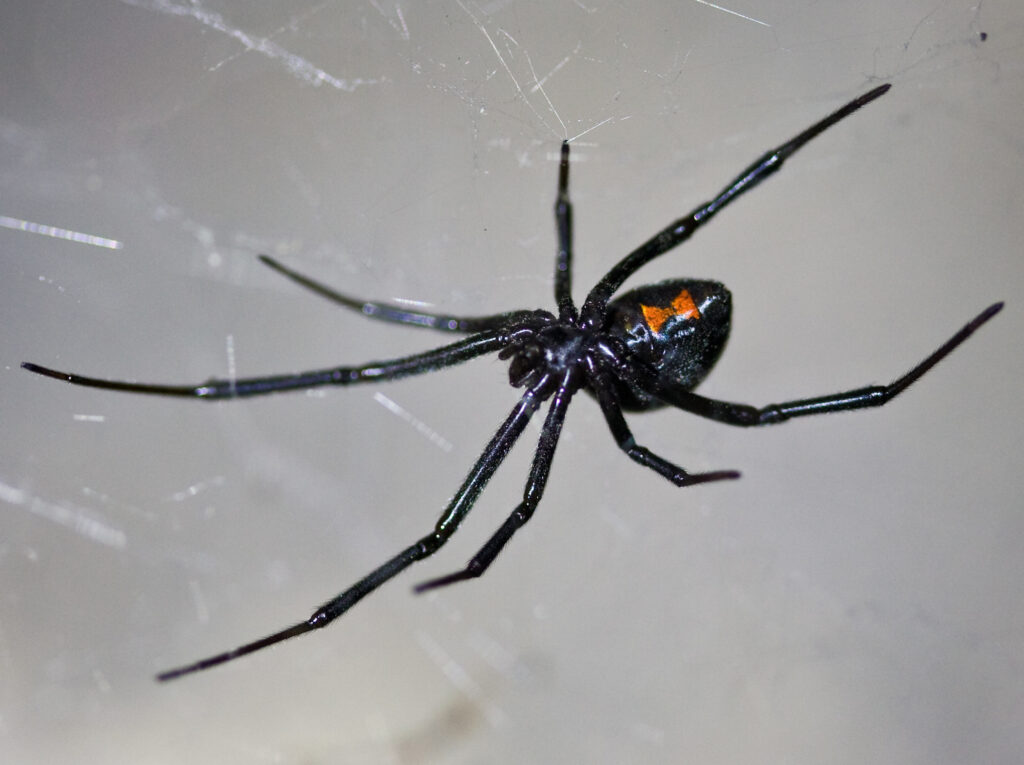
In Nebraska, the most venomous spiders to be aware of are the Brown Recluse, Black Widow, Northern Black Widow, Woodlouse Spider, and Six-spotted Fishing Spider. The Brown Recluse is known for its serious bite, while Black Widows are recognized by their red hourglass marking and severe symptoms. The Northern Black Widow closely resembles the Black Widow but is less aggressive. Woodlouse Spiders are harmless to humans and beneficial for the ecosystem. Six-spotted Fishing Spiders are found near water bodies, controlling insects. Understanding these species can help you stay safe, especially when exploring different environments in Nebraska.
Genuine Pest Control is your professional provider of exterminating services. Call us today at (402) 300-8168 for reliable and affordable pest management.
Key Takeaways
- Northern Black Widow found in eastern Nebraska, similar to Black Widow in venom potency but not aggressive.
- Black Widow, with red hourglass shape, is venomous and aggressive, commonly found in outdoor areas.
- Brown Recluse Spider known for venomous bite, light to medium brown with violin-shaped marking.
- Woodlouse Spider common in Nebraska, harmless to humans, hunts woodlice for food in damp environments.
- Six-spotted Fishing Spider found near water bodies, beneficial in controlling insects, not harmful unless allergic.
Brown Recluse Spider
The Brown Recluse Spider, commonly found in Nebraska, is known for its venomous bite that can cause serious medical issues. Identifying these spiders can be pivotal for avoiding potential encounters. Brown recluse spiders are typically light to medium brown with a distinctive violin-shaped marking on their back. They have six eyes instead of the usual eight found in most spiders, which can help in their identification.
In the case of a bite from a Brown Recluse Spider, seeking medical attention is essential. Treatment options for a Brown Recluse Spider bite include cleaning the wound with soap and water, applying a cold compress to reduce swelling, and elevating the affected area to reduce pain. Over-the-counter pain relievers can help manage discomfort, but it is crucial to seek professional medical advice as soon as possible, especially if symptoms worsen or if there are signs of infection. Remember, prevention is key, so be cautious in areas where Brown Recluse Spiders are known to reside.
Black Widow Spider
Notable for its venomous bite, the Black Widow Spider is another species found in Nebraska that poses a risk to humans. The Black Widow Spider is easily identifiable by the red hourglass shape on the underside of the abdomen. This spider is known for its dangerous bite, which can cause severe symptoms requiring medical attention.
| Features | Description |
|---|---|
| Red hourglass | Found on the underside of the abdomen, serves as a warning sign to potential predators. |
| Dangerous bite | The venom of the Black Widow Spider can be harmful to humans, causing symptoms such as muscle pain, cramping, and nausea. Seek medical attention if bitten. |
| Web weaving | Black Widow Spiders are skilled at weaving irregular webs in dark, secluded areas where they wait to capture prey. |
| Female aggression | Female Black Widows are known for being more aggressive than males, especially when protecting their eggs. Handle with caution. |
| Habitat | Typically found in outdoor areas like woodpiles, sheds, and garages, but can also be indoors in undisturbed areas. |
Northern Black Widow
Easily mistaken for its more well-known relative, the Black Widow Spider, the Northern Black Widow shares similarities in appearance and venom potency. The Northern Black Widow, scientifically known as Latrodectus variolus, is a venomous spider with a notorious reputation. While its venom is potent, this species is not aggressive towards humans and only bites when it feels threatened.
The Northern Black Widow can be found in the eastern regions of Nebraska, preferring dark and sheltered habitats such as woodpiles, sheds, and outdoor structures. These spiders are commonly found in areas where they can build their iconic tangled webs to catch prey.
Despite their venomous reputation, Northern Black Widows play an essential role in controlling insect populations. They primarily feed on insects like mosquitoes, flies, and caterpillars. If you encounter a Northern Black Widow, it is best to observe from a distance and avoid disturbing its habitat.
Woodlouse Spider
Often mistaken for dangerous species, the Woodlouse Spider, scientifically known as Dysdera crocata, is a common arachnid found in Nebraska. Despite its intimidating appearance, this spider poses no threat to humans and is actually beneficial in controlling woodlice populations.
Woodlouse Spider Overview
| Characteristic | Description |
|---|---|
| Behavior | Hunts woodlice for food using powerful fangs. |
| Habitat | Prefers dark, damp environments like under rocks or logs. |
| Size | Approximately 0.5 to 1 inch in length. |
Woodlouse spiders are known for their unique feeding habits, preying exclusively on woodlice. They use their strong fangs to pierce through the woodlouse’s hard exoskeleton. These spiders often inhabit areas with high woodlouse populations, such as gardens, basements, and woodpiles. Their presence can be an indicator of a healthy ecosystem, as they help regulate woodlouse numbers naturally. If you come across a Woodlouse Spider, there’s no need to fear; they are harmless to humans and serve a helpful role in the environment.
Six-spotted Fishing Spider
The Six-spotted Fishing Spider, scientifically referred to as Dolomedes triton, is a prominent arachnid species commonly found near bodies of water in Nebraska. These spiders have unique hunting techniques that set them apart from other spider species. They are known for their ability to walk on water by using the surface tension, allowing them to prey on insects and even small fish that come too close to the water’s edge. Their habitat preferences include freshwater habitats like ponds, streams, and marshes where they can easily find their prey.
These spiders are beneficial to the ecosystem as they help control insect populations near water bodies. While they possess venom to subdue their prey, their bite is not harmful to humans unless an individual has an allergic reaction. If you encounter a Six-spotted Fishing Spider, it is best to observe from a distance and appreciate their role in maintaining the balance of their natural habitat.
Frequently Asked Questions
Are There Any Venomous Spiders in Nebraska That Are Not Mentioned in This Article?
When it comes to spider identification in Nebraska, it should be emphasized that there are venomous spiders not mentioned in some articles. In case of a bite, prompt first aid is essential.
How Can I Prevent Spider Bites in My Home in Nebraska?
Like a shield against a storm, spider repellents create a barrier. Regular home cleaning, especially in dark, cluttered areas, sweeps away webs and hiding spots. These actions, taken diligently, can help prevent spider bites in Nebraska.
Do Venomous Spiders in Nebraska Pose a Serious Threat to Humans?
Venomous spiders in Nebraska, though rare, can pose a serious threat to humans. Spider bite symptoms may include pain, redness, and swelling. Seek medical treatment if bitten by a spider to prevent complications and guarantee proper care.
Are There Any Natural Predators of Venomous Spiders in Nebraska?
In Nebraska, natural predators play a vital role in controlling venomous spider populations. Predator-prey dynamics help maintain ecosystem balance by keeping spider numbers in check. This delicate relationship highlights the importance of biodiversity for a healthy environment.
Can Venomous Spiders in Nebraska Be Found in Urban Areas or Only in Rural Settings?
Venomous spiders in Nebraska are not limited to rural settings; urban sightings are possible. While human risk exists, natural predators like birds, lizards, and other spiders help control their population, balancing the ecosystem.


