
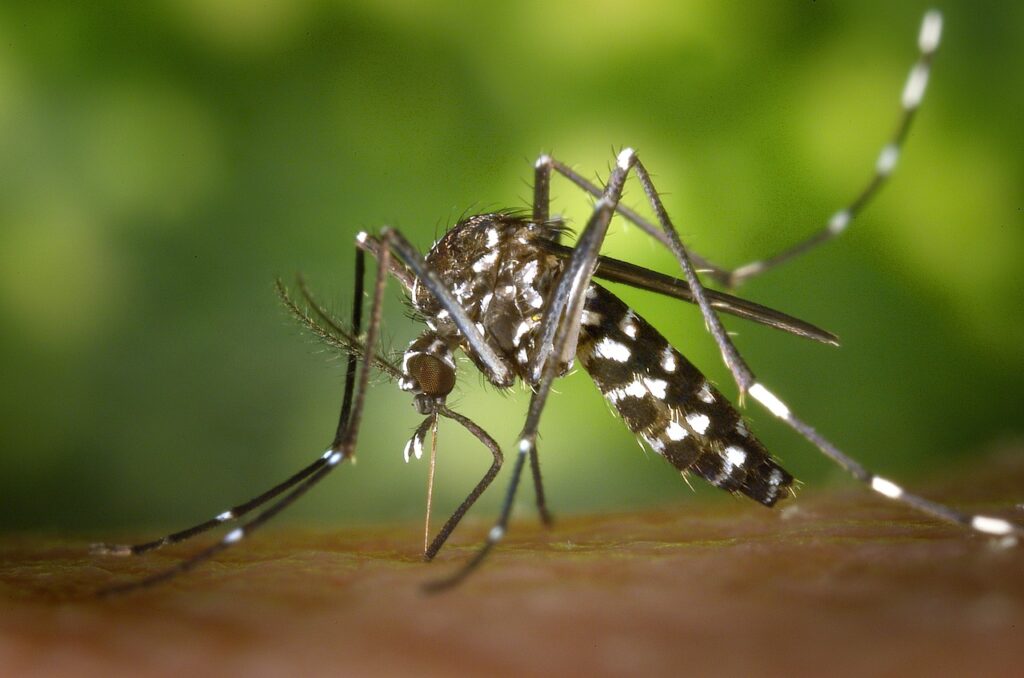
Mosquitoes are repelled by colors like white, light khaki, and pastels, while being attracted to darker shades such as black, navy, and red. Bright and vibrant hues, including neon colors, can also draw mosquitoes in. Colors play a significant role in mosquito attraction due to their advanced sensory perception and compound eyes. Choosing clothing wisely by opting for light colors that reflect light can help deter mosquitoes. Understanding which colors repel mosquitoes can aid in developing effective strategies for avoiding mosquito bites. By learning more about how colors affect mosquito behavior, you can enhance your defense against these pesky insects.
Genuine Pest Control is your professional provider of exterminating services. Call us today at (402) 300-8168 for reliable and affordable pest management.
Key Takeaways
- Mosquitoes hate light colors like white, pastels, and light khaki.
- Earth tones such as olive green and light brown are unappealing to mosquitoes.
- Blue clothing can deter mosquitoes due to its color association in nature.
- Some colors repel mosquitoes naturally, like patterns resembling bee stripes.
- Wearing colors that blend in with natural surroundings can help keep mosquitoes away.
The Science Behind Mosquito Attraction
The Science Behind Mosquito Attraction is a fascinating field of study that explores the intricate mechanisms governing why mosquitoes are drawn to certain scents and colors. Mosquitoes have a highly developed sensory perception that allows them to detect various cues in their environment. Color psychology plays a significant role in how mosquitoes are attracted to certain colors.
Mosquitoes perceive colors differently due to their compound eyes, which contain different types of light-sensitive cells. Research suggests that mosquitoes are particularly attracted to darker colors such as black, navy, and red because these colors resemble the shades of their natural predators or hosts. On the other hand, lighter colors like white, yellow, and light blue are less appealing to mosquitoes.
Understanding how color psychology influences mosquito attraction can help in developing strategies to repel these pests. By strategically using colors that mosquitoes dislike, such as light colors, individuals can reduce their attractiveness to these insects and minimize the risk of mosquito bites.
Colors That Attract Mosquitoes
When it comes to attracting mosquitoes, it's important to think about the colors you wear. Mosquitoes are more drawn to dark colors such as black or navy blue, while bright hues like white or yellow can also attract them. To minimize your attraction to mosquitoes, it's best to avoid wearing black clothing.
Mosquitoes Prefer Dark Colors
Research has shown that mosquitoes are more attracted to dark colors than light colors. When it comes to colors that attract mosquitoes, wearing dark shades might inadvertently make you a target for these pesky insects. Dark colors such as black, navy, and red can draw mosquitoes towards you, increasing your chances of getting bitten. In contrast, light shades like white, yellow, and light blue are less appealing to mosquitoes.
To help you visualize the attraction of mosquitoes to dark colors, here is a table showcasing the preference of mosquitoes for different color tones:
| Dark Colors | Neutral Colors | Light Colors |
|---|---|---|
| Black | Gray | White |
| Navy | Beige | Yellow |
| Red | Tan | Light Blue |
| Pink | ||
| Mint Green |
Bright Hues Attract Mosquitoes
In the domain of mosquito attraction, it is interesting to note that vibrant colors have a particular allure for these blood-sucking insects. Mosquitoes are drawn to neon colors due to their heightened perception of these bright hues. The vividness of neon colors seems to attract mosquitoes, making individuals wearing such shades more susceptible to mosquito bites.
On the other hand, pastel shades have shown to be less attractive to mosquitoes. These softer, lighter colors do not seem to stimulate the insects' attraction as much as neon colors do. Opting for pastel shades might help in reducing the risk of mosquito bites.
Understanding the impact of different colors on mosquito attraction can be beneficial when planning outdoor activities. By avoiding neon colors and choosing pastel shades instead, individuals can potentially lower their attractiveness to mosquitoes and reduce the chances of getting bitten.
Avoid Black Clothing
To deter mosquitoes, it is advisable to steer clear of wearing black clothing. Color psychology plays a significant role in mosquito attraction, and black happens to be one of the colors that attract these pesky insects. While black is often a popular choice due to its versatility and slimming effect in fashion choices, it also absorbs more heat, making it easier for mosquitoes to spot.
When it comes to warding off mosquitoes, opting for lighter and brighter colors might be a better choice. Lighter colors such as white, light blue, or pastels are not only fashionable but also less appealing to mosquitoes. These colors reflect light, making it harder for mosquitoes to locate their targets. By being mindful of the colors we wear, we can potentially reduce the chances of getting bitten by mosquitoes while still staying stylish.
Colors That Repel Mosquitoes
When it comes to repelling mosquitoes, the choice of colors you wear can play a significant role in deterring these pesky insects. Selecting the right colors can help keep mosquitoes at bay and make your outdoor activities more enjoyable. Here are some colors that are known to repel mosquitoes:
- Light Colors: Mosquitoes are attracted to dark colors, so wearing light-colored fabrics like white, light khaki, or pastels can help make you less appealing to these pests.
- Earth Tones: Colors like olive green, beige, and light brown are less attractive to mosquitoes compared to brighter colors, making them good choices for outdoor wear.
- Blue: Blue is a color that mosquitoes tend to avoid. Wearing blue clothing can help deter these insects from landing on you.
- Natural Deterrents: Some colors naturally repel mosquitoes due to their association with certain plants or animals that mosquitoes avoid. For example, patterns resembling bee stripes can sometimes confuse mosquitoes and keep them away.
Best Colors to Wear Outdoors
Selecting the most suitable colors for outdoor wear is crucial for both comfort and practicality. When it comes to choosing the best colors for outdoor clothing, considering color psychology and fashion choices is key. Lighter shades like white, pastels, and khaki are often preferred for outdoor activities as they reflect sunlight, aiding in keeping you cool. Darker tones, such as black and navy, tend to absorb heat, making them less ideal for hot weather.
Regarding color psychology, blues and greens are recognized to have a calming effect, which can be advantageous when spending time outdoors. These hues are also versatile and easy to pair with other clothing items. Furthermore, earthy tones like browns and tans can assist you in blending in with natural surroundings, making them a practical option for activities like hiking or birdwatching.
How Colors Affect Mosquito Behavior
Understanding how colors affect mosquito behavior can provide valuable insights into protecting oneself from these pesky insects. Certain colors are known to attract mosquitoes, while others act as natural repellents. By choosing the right hues in clothing and decor, individuals can potentially reduce their exposure to mosquito bites and create a less appealing environment for these insects.
Impact of Colors
The impact of colors on mosquito behavior is a topic of interest for researchers and individuals seeking effective methods of mosquito control. Colors play a significant role in influencing mosquito behavior, affecting their attraction or repulsion. Here are four key points to bear in mind:
- Psychological impact: Mosquitoes are more attracted to dark colors like black and navy blue because they resemble the shades of their natural predators, making them feel safer to feed.
- Fashion choices: Wearing light-colored clothing such as white, light khaki, or pastels can help deter mosquitoes as they are less attracted to these colors, reducing the likelihood of getting bitten.
- Contrast matters: Mosquitoes are attracted to contrasting colors, so wearing outfits with a mix of light and dark hues might make you more appealing to these pests.
- Environmental factors: Bright colors like neon shades can attract mosquitoes as they stand out in the environment, drawing the insects towards you.
Mosquito Repellent Hues
How do colors influence the behavior of mosquitoes, and can certain hues act as natural repellents against these pesky insects? When it comes to fashion choices and outdoor attire, selecting the right colors might help deter mosquitoes. Mosquitoes are naturally attracted to dark colors like black and navy blue because they resemble the shades of their usual prey. On the other hand, light colors such as white, light khaki, and pastels are less appealing to mosquitoes. Opting for clothing in lighter hues when spending time outdoors can potentially reduce the likelihood of attracting mosquitoes. Additionally, incorporating clothing items in colors like mint green, light yellow, or baby blue could act as a subtle mosquito repellent. While colors alone may not provide complete protection against mosquitoes, making mindful fashion choices by selecting lighter and less attractive hues could contribute to a more pleasant outdoor experience.
Tips for Avoiding Mosquito Bites
To minimize the risk of mosquito bites, it is essential to implement effective preventive measures. When it comes to avoiding mosquito bites, simple strategies can make a significant difference. Here are four tips to help you stay protected:
- Wear Protective Clothing: Opt for long sleeves, pants, and socks to cover as much skin as possible, especially during dawn and dusk when mosquitoes are most active.
- Use Mosquito Repellent: Apply an EPA-approved insect repellent containing DEET, picaridin, IR3535, or oil of lemon eucalyptus to exposed skin and clothing.
- Avoid Standing Water: Mosquitoes breed in stagnant water, so eliminate any sources of standing water around your home, such as birdbaths or clogged gutters.
- Plan Outdoor Activities Wisely: If possible, schedule outdoor activities during times when mosquitoes are less active, or consider using mosquito nets or screens to create a barrier.
Frequently Asked Questions
Do Mosquitoes Prefer Certain Colors Depending on the Time of Day?
Mosquitoes exhibit varying color preferences throughout the day, favoring bright hues in the morning and darker shades in the evening. Understanding these patterns can aid in strategic color choices to deter these pests effectively.
Can Wearing Multiple Colors Confuse Mosquitoes and Prevent Bites?
To prevent mosquito bites, consider color coordination in clothing. Wearing multiple colors can confuse mosquitoes, potentially reducing their attraction. Making smart fashion choices not only enhances style but also serves as a form of bug protection.
Are Neon Colors More Effective in Repelling Mosquitoes Than Pastels?
When considering color psychology for bug protection, neon colors may not necessarily repel mosquitoes more effectively than pastels. Repellent effectiveness is more essential than fashion choices. Remember, it's not always about flashy colors; substance over style prevails.
Do Patterns or Prints on Clothing Affect Mosquito Attraction?
The impact of prints on clothing remains a vital factor in determining mosquito attraction. Certain patterns can either deter or attract mosquitoes. Selecting clothing with patterns known to repel mosquitoes can aid in reducing the risk of bites.
Is There a Specific Color Combination That Enhances Mosquito Repellency?
When considering color theory for best repellent effects, certain hues like greens and blues are known to deter mosquitoes. Utilizing these colors in combination can enhance mosquito repellency, making it a practical strategy for reducing insect attraction.


