
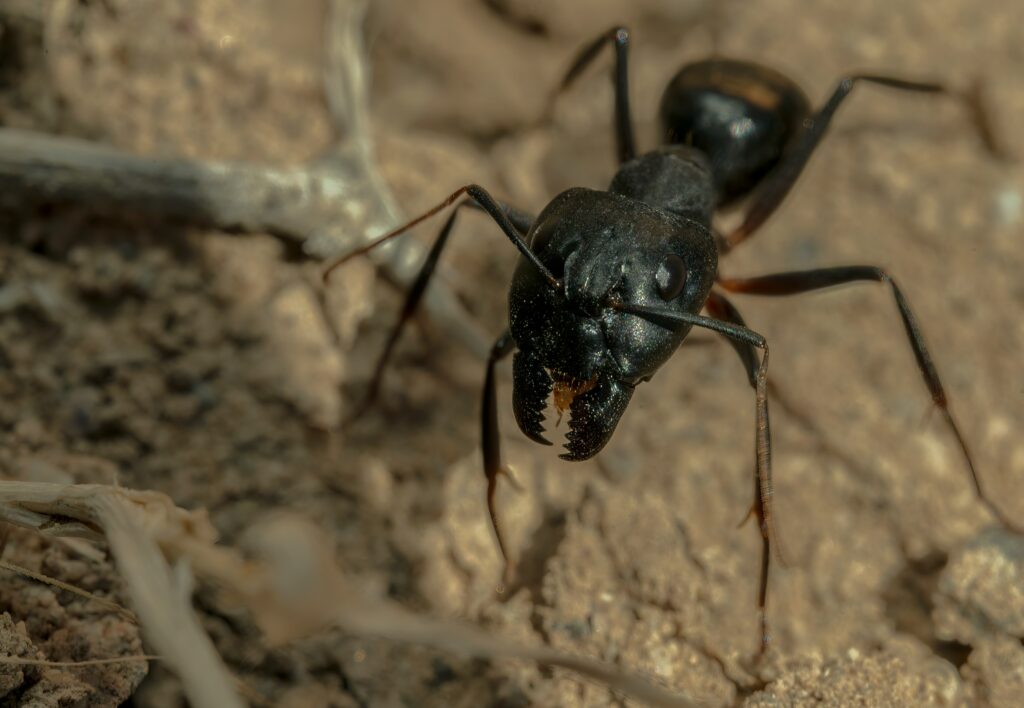
Vinegar's ability to repel ants varies in duration based on concentration, application method, and surrounding conditions. Higher vinegar concentrations offer longer-lasting effects, especially when applied directly on ant trails. Regular reapplication every 1-2 days is recommended to maintain a potent barrier against ants, as vinegar evaporates over time, affecting its efficacy. Factors like ant species sensitivity and environmental influences also play a role in how long vinegar can deter ants effectively. Understanding these aspects and implementing proper techniques will help maximize vinegar's ant-repelling properties. For more insights into enhancing vinegar's efficacy and combining it with other ant deterrents, explore the details further.
Genuine Pest Control is your professional provider of exterminating services. Call us today at (402) 300-8168 for reliable and affordable pest management.
Key Takeaways
- Vinegar's effectiveness varies by concentration and application method.
- Higher concentrations last longer against ants.
- Reapply every 1-2 days for sustained ant deterrence.
- Environmental factors and ant species influence repellent duration.
Vinegar as a Natural Ant Repellent
Vinegar is an effective natural repellent for ants due to its strong aroma and acidic properties that discourage them from entering your home. The sharp smell of vinegar disrupts the ants' ability to communicate through pheromones, making it challenging for them to navigate and locate sources of food. Additionally, the acidic quality of vinegar interferes with the ants' sense of smell, further discouraging them from entering your living spaces.
As one of the most common natural deterrents, vinegar offers a safe and eco-friendly option to chemical insecticides. By setting up a barrier of vinegar around entry points like windows, doors, and crevices, you can successfully keep ants away without exposing your household to harmful toxins. This approach not only safeguards your home but also guarantees the well-being of your family and pets.
Factors Affecting Vinegar's Effectiveness
To enhance the effectiveness of vinegar as an ant repellent, the concentration of vinegar used plays a pivotal role. Additionally, the frequency of application is key in maintaining its deterrent effect on ants. Different ant species may exhibit varying levels of sensitivity to vinegar, affecting its overall success in repelling them.
Vinegar Concentration Impact
The concentration of vinegar used can greatly impact its effectiveness in deterring ants from entering a specific area. When considering the vinegar concentration and its impact on keeping ants away, several key factors come into play:
- Vinegar Dilution: Diluting vinegar with water can reduce its effectiveness in repelling ants. Using undiluted vinegar is generally more potent.
- Strong Odor: Higher vinegar concentrations tend to have a stronger odor, which can act as a more potent deterrent for ants.
- Residual Effect: Concentrated vinegar may leave a longer-lasting scent barrier that ants find unpleasant, deterring them for a longer period.
Application Frequency Importance
Maintaining a consistent application frequency of the vinegar solution is crucial in maximizing its effectiveness as a deterrent against ants. Ant behavior plays a significant role in determining the success of vinegar as a repellent. Ants rely heavily on pheromone trails to navigate their surroundings and locate food sources. By consistently applying vinegar along common ant pathways and entry points, you disrupt these trails, causing confusion among the ants and deterring them from entering your space.
Furthermore, the frequency of application directly impacts the repellent longevity and deterrent efficacy of vinegar. Regular reapplication is necessary as vinegar tends to evaporate or lose its potency over time, especially in outdoor settings or areas exposed to sunlight. To maintain a strong barrier against ants, it is recommended to reapply the vinegar solution every few days or after rainfall to guarantee its effectiveness.
Ant Species Sensitivity
Considering the various factors impacting vinegar's efficacy as an ant repellent, understanding ant species sensitivity is crucial. Ant sensitivity to vinegar can vary depending on the species. Some ants may be more deterred by vinegar, while others might not find it as efficient. Here are some key points to take into account regarding ant species sensitivity and vinegar effectiveness:
- Species Variability: Different ant species have varying levels of sensitivity to vinegar. While some species may avoid vinegar strongly, others might not be as impacted by it.
- Chemoreception Differences: Ants' chemoreceptors play a significant role in how they perceive vinegar. Some species may have more sensitive receptors, making them more responsive to vinegar as a repellent.
- Behavioral Responses: Ants exhibit different behaviors in response to vinegar based on their species. Some species may quickly change their foraging paths when exposed to vinegar, while others might take longer to react.
Duration of Vinegar's Ant-Repelling Properties
When contemplating the duration of vinegar's ant-repelling properties, it's vital to evaluate the effectiveness of the repellent over time. Understanding the frequency at which reapplication is needed can help maintain a barrier against ants. Additionally, observing any changes in ant behavior in response to the vinegar repellent is essential for evaluating its long-term efficacy.
Vinegar Repellent Effectiveness
The duration of vinegar's effectiveness in repelling ants varies depending on factors such as concentration, application method, and environmental conditions. When using vinegar as an ant deterrent, several key points can influence its longevity and effectiveness:
- Concentration: The strength of the vinegar solution plays a significant role in how long it will repel ants. Higher concentrations may offer longer-lasting effects.
- Application Method: How the vinegar is applied can impact its effectiveness. Spraying vinegar directly on ant trails or entry points tends to yield better results.
- Environmental Conditions: Factors like humidity levels, temperature, and the size of the ant infestation can affect how long vinegar remains an effective repellent.
Considering these factors can help maximize vinegar's potential as a natural ant deterrent.
Reapplication Frequency Needed
To maintain effective ant-repelling properties when using vinegar, regular reapplication is often necessary to guarantee continual protection against ant invasions. Vinegar's repellent longevity varies depending on factors like weather conditions and ant activity levels. In general, it is recommended to reapply vinegar every 1-2 days for best results.
| Reapplication Frequency | Ant-Repelling Effectiveness |
|---|---|
| Every single day | High |
| Every other day | Moderate |
| Every third day | Low |
The frequency required for reapplication is essential in ensuring that the vinegar barrier remains potent enough to deter ants effectively. By renewing the vinegar spray regularly, you can sustain a strong defense against ants seeking entry into your home. Remember that consistency is key in maintaining a protective shield using vinegar as a natural ant repellent.
Ant Behavior Changes
Ant behavior changes can impact the duration of vinegar's ant-repelling properties, affecting the effectiveness of the repellent over time. Ant communication plays an essential role in how ants respond to stimuli like vinegar. Here are some key points to keep in mind regarding ant behavior changes and their impact on the duration of vinegar's ant-repelling properties:
- Foraging Behavior: Ants may adjust their foraging patterns in response to repeated exposure to vinegar, seeking alternative food sources or pathways to avoid the repellent.
- Trail Communication: Ants use pheromone trails to communicate food sources and guide other colony members. Continued use of vinegar may disrupt these trails, leading to temporary avoidance or rerouting.
- Colony Response: Ant colonies can exhibit collective behavior changes in response to environmental factors like repellents. They may send out fewer foragers or adjust their foraging schedules.
How Often to Reapply Vinegar
For best effectiveness, vinegar should be reapplied every few days to maintain its ant-repelling properties. Vinegar's longevity as an ant deterrent is influenced by various factors such as weather conditions, surface porosity, and ant species. While vinegar can remain effective for a few days, its potency diminishes over time. Reapplication frequency is key to ensuring a continuous barrier that deters ants from entering your home. By reapplying vinegar every few days, you can reinforce its scent and taste that repels ants, creating a persistent deterrent for these pests.
Regular reapplication of vinegar is essential, especially in areas where ants are prevalent or during seasons when ant activity increases. By staying proactive and consistent with reapplication, you can effectively keep ants at bay and maintain a pest-free environment in your home. Monitoring the effectiveness of vinegar as an ant deterrent and adjusting the reapplication frequency based on ant activity levels will help maximize its efficacy and keep your home ant-free.
Tips for Maximizing Vinegar's Efficacy
To enhance the best effectiveness in repelling ants, it's vital to implement certain strategies that can maximize the efficacy of vinegar. When considering vinegar application to deter ants, understanding ant behavior is essential in achieving optimal results. Here are some tips to help you make the most of vinegar's repellent properties:
- Focus on Entry Points: Identify and target areas where ants are most likely to enter your home. By applying vinegar strategically at these entry points, you create a barrier that deters ants from crossing into your living spaces.
- Regular Reapplication: Ants have a want sense of smell, so it's crucial to regularly reapply vinegar to maintain its strong odor. This will guarantee that the scent remains potent and continues to repel ants effectively.
- Combine with Water: Diluting vinegar with water can help cover larger areas while still delivering the ant-repelling properties. This mixture can be easily sprayed around your home to create a broader defense against ants.
Combining Vinegar With Other Ant Deterrents
Enhancing the efficacy of vinegar in repelling ants can be further optimized by exploring combinations with additional ant deterrents. By combining vinegar with other natural deterrents, you can create a more potent solution for ant control using simple DIY methods.
One effective way to enhance vinegar's ant-repelling properties is by mixing it with essential oils such as peppermint, tea tree, or citrus oils. These oils not only add a pleasant scent but also have properties that ants find unpleasant, further deterring them from entering your space.
Another option is to combine vinegar with spices like cinnamon, cayenne pepper, or cloves. These spices act as natural barriers that ants are reluctant to cross, making the vinegar-spice mixture a powerful ant deterrent.
Additionally, mixing vinegar with water and a small amount of dish soap can help in eliminating ant trails and disrupting their communication, leading to a more effective ant control strategy.
Conclusion and Final Thoughts
In wrapping up the discussion on keeping ants away, it is essential to contemplate some final thoughts and practical tips for effective ant control. Here are some final thoughts to note:
- Consistency is Key: Regularly applying vinegar or other ant deterrents can help maintain a barrier that ants find challenging to cross.
- Address Entry Points: Seal cracks and crevices where ants might enter your home to prevent future infestations.
- Maintain Cleanliness: Keeping your living spaces clean and free of food debris can notably reduce the likelihood of ants invading.
Frequently Asked Questions
Can Different Types of Vinegar Be Used for Ant Repellent?
Can different types of vinegar be used for ant repellent? Vinegar effectiveness in repelling ants is well-documented. When considering vinegar safety, it's essential to opt for natural vinegar types like apple cider or white vinegar.
Will Diluted Vinegar Work as Effectively as Pure Vinegar?
When considering vinegar effectiveness, diluted vs. pure, diluted vinegar can be as effective in repelling ants as pure vinegar. However, dilution may impact potency. Remember to use caution for safety around pets and children.
Can Vinegar Be Harmful to Pets or Children?
When considering vinegar safety, precautions are crucial to prevent harm to pets or children. Always dilute vinegar, keep it out of reach, and consider alternative repellent methods like essential oils or citrus peels for a safer approach.
How Long Does It Take for Vinegar to Repel Ants?
Vinegar's effectiveness in repelling ants is immediate upon application. Reapplication frequency depends on the intensity of the ant infestation. For sustained results, consider reapplying vinegar every few days or as needed to maintain a deterrent effect.
Can Vinegar Attract Other Pests or Insects?
While vinegar is often believed to repel ants, some vinegar myths suggest it could attract other pests or insects. Understanding the potential interactions between pests and vinegar is crucial to make informed decisions.


