Termites are the most damaging pests to houses in Omaha. They cause long-term structural damage by feeding on wood and plant materials. Often, their presence goes undetected until significant damage occurs. Regular inspections are important for early detection and prevention. Aside from termites, other pests like rodents and carpenter ants can also cause problems. Homeowners should pay attention to signs of these pests. More information about these threats and prevention methods is available.
Key Article Highlights
- Termites are the most damaging pests in Omaha, causing significant structural damage by feeding on wooden materials.
- Carpenter ants can also inflict serious damage by hollowing out wood for nesting, often going unnoticed until it’s too late.
- Rodents pose health risks and can damage property through nesting behaviors, leading to costly repairs if not addressed early.
- Wood-boring beetles create small exit holes and weaken wood, resulting in expensive repairs from extensive damage.
- Moisture and mold issues often arise from pest damage, leading to further deterioration and health concerns if not managed properly.
The Silent Destroyer: Termites
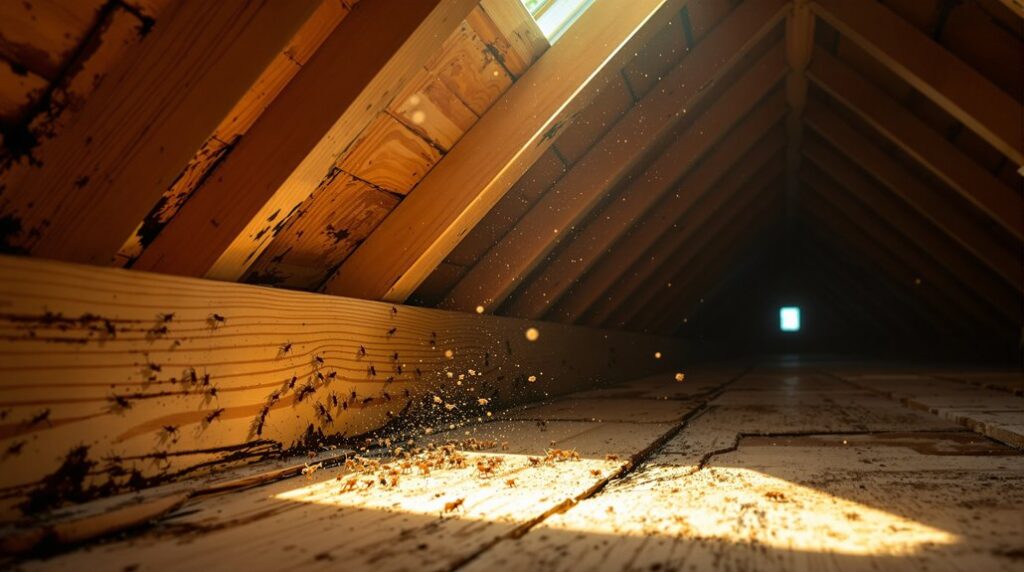
Although often unnoticed, termites are a significant threat to homes in Omaha. These pests cause timeless destruction by feeding on wood and other plant materials. A silent infestation can occur without any visible signs, making it difficult for homeowners to detect their presence. Termites work quietly, damaging the structural integrity of a house over time. Their ability to consume wood can lead to severe issues if not addressed quickly. Regular inspections are essential to catch these pests early. Homeowners should be aware of the risks and take preventive measures to protect their properties. Ignoring the signs of termites can result in costly repairs and significant damage, emphasizing the need for vigilance against these destructive insects. Effective pest management strategies can help prevent severe termite damage before it becomes unmanageable. Additionally, understanding signs of infestation can aid in early detection and prompt treatment, reducing overall damage. Recognizing wood damage early can be crucial in stopping a potential infestation before it spreads. Being proactive in preventive measures can significantly minimize the risk of extensive damage caused by termites.
Rodents: The Hidden Threat
Rodents pose a hidden threat to homes in Omaha, often going unnoticed until significant damage occurs. These pests can cause various problems, leading to costly repairs. Homeowners should be aware of the following signs:
Rodents can silently damage homes in Omaha, making it vital for homeowners to recognize early signs of infestation.
- Pet droppings found in hidden areas.
- Chewed wires or insulation materials.
- Nesting behaviors in walls or attics.
- Gnaw marks on food packaging or furniture.
Regular inspections can help detect early signs of infestation before extensive damage occurs, making early intervention crucial. Understanding rodent habits can aid in prevention efforts, such as knowing their preferred nesting sites and food sources. Rodents can carry diseases and contaminate food, making their presence even more concerning. Their nesting behaviors can compromise the structural integrity of a home. It is crucial for homeowners to regularly inspect their properties for any signs of infestation. Additionally, understanding rodent behavior can help develop more effective exclusion techniques. Addressing rodent issues early can save time and money, ensuring a safer living environment.
Carpenter Ants: A Growing Concern

Carpenter ants are a growing concern for homeowners in Omaha. These pests can cause significant damage to wooden structures. An ant invasion often begins when these ants find a suitable nesting site. Once inside, they hollow out wood, which weakens the integrity of a home. This damage can go unnoticed for a long time, leading to costly repairs. Additionally, carpenter ants can pose a risk of food contamination. They are attracted to food sources and can invade kitchens and pantries. This behavior raises health concerns for families. Homeowners should be vigilant and take steps to prevent these pests. Regular inspections and prompt action can help protect homes from carpenter ants and their potential dangers. Understanding the nesting habits of these ants can help in early detection and prevention efforts. Recognizing signs of an infestation early on is crucial for effective treatment and prevention strategies. Being aware of ant activity indicators can assist homeowners in identifying problems before they become severe.
Wood-Boring Beetles: The Lesser-Known Culprits
While carpenter ants are well-known for their destructive tendencies, wood-boring beetles are another threat that homeowners in Omaha should be aware of. These pests can cause significant wood damage over time, often going unnoticed until it is too late. Homeowners should look for signs of a beetle infestation, which include:
- Small exit holes in wood surfaces.
- Powdery frass near infested wood.
- Weak or crumbling wood structures.
- Visible beetles or larvae in wooden areas.
Ignoring these signs can lead to costly repairs. Early detection and prevention are key to managing wood-boring beetles. Homeowners should regularly inspect their homes to protect against this lesser-known, yet damaging, pest.
Moisture and Mold: Indirect Damage From Pests

Moisture and mold often thrive in homes where pests create breaches in the structure. For example, termites and rodents can damage walls and ceilings, allowing moisture to enter. This moisture can lead to mold growth, which poses health risks and damages property. Effective humidity control is vital in preventing these issues. Homeowners should monitor indoor humidity levels to keep them low. Additionally, leak prevention is essential. Regular checks for leaks in roofs, pipes, and basements can help minimize moisture buildup. By addressing pest problems swiftly, and maintaining proper humidity and leak prevention measures, homeowners can reduce the risk of moisture and mold damage, ensuring a safer and healthier living environment.