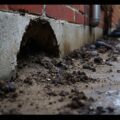
To effectively get rid of rodents in a house in Omaha, it’s important to combine prevention with detection. Start by sealing gaps and keeping food stored securely. Regularly check for signs of rodent activity, like droppings and gnaw marks. Use traps to catch rodents and consider natural repellents such as peppermint oil. If infestations persist, it may be time to call a professional. Explore various strategies to guarantee a safe and rodent-free home.
Key Article Highlights
- Seal all entry points with durable materials to prevent rodents from accessing your home.
- Maintain cleanliness by storing food in airtight containers and promptly disposing of waste.
- Use traps strategically placed along rodent pathways and near suspected entry points for effective capture.
- Employ natural repellents like peppermint oil and ultrasonic devices to deter rodents from entering.
- Seek professional pest control services if infestations persist or DIY methods fail to resolve the issue.
Understanding the Rodent Problem in Omaha
What makes the rodent problem in Omaha so concerning? The rapid urban encroachment in this city creates ideal conditions for rodents. As buildings and homes expand, they disrupt natural habitats, pushing rodents towards populated areas. These animals thrive in environments where food and shelter are readily available. Omaha’s neighborhoods, with their gardens and waste, provide ample resources for survival. Furthermore, the city’s aging infrastructure often includes gaps and cracks that serve as entry points for these pests. As rodents invade, they pose health risks and damage properties. Implementing building maintenance measures can help prevent entry points and reduce infestations. Understanding the connection between urban encroachment and rodent habitat is vital for addressing the issue effectively. Urban development can inadvertently contribute to increased rodent activity, making prevention more challenging. Increased public awareness about rodent behavior and prevention can lead to more effective control and healthier living spaces for Omaha’s residents. Recognizing the importance of early detection and prompt action can significantly reduce infestation levels and protect homes from extensive damage.
Signs of a Rodent Infestation
Signs of a rodent infestation can be quite noticeable. Common physical indicators include droppings, gnaw marks, and nests made from soft materials. Additionally, unusual noises and smells may fill the air, hinting at the presence of these unwelcome guests. Regularly inspecting potential entry points can help identify vulnerabilities in your home’s defenses. Effective tips for rodent extermination and prevention can help address these signs promptly. Recognizing rodent entry points around your home can also be crucial in preventing further intrusion. Being aware of rodent behavior patterns can further aid in early detection and effective control.
Common Physical Signs
A rodent infestation can often be identified by several clear physical signs. Droppings, typically small and dark, can be found in areas where rodents are active. Gnaw marks on furniture, walls, and food packaging indicate their presence. Additionally, nests made of shredded paper or fabric may be discovered in hidden corners. These signs suggest that immediate action is needed. Homeowners can employ DIY deterrents, such as peppermint oil or traps, to manage the situation. Moreover, effective pest proofing techniques, like sealing gaps and removing food sources, are essential to prevent future infestations. Recognizing these physical signs early can help maintain a rodent-free home and reduce the need for more invasive measures later on. Being aware of signs of a rodent infestation can help homeowners respond promptly and effectively. Regular inspections and understanding rodent behavior patterns can further aid in early detection and prevention.
Unusual Noises and Smells
When homeowners hear strange noises in their walls or ceilings, it often raises concern about a potential rodent infestation. These noisy disturbances, such as scratching or scurrying, usually indicate that rodents are making their home within the house. Besides sounds, unusual household odors can also signal an infestation. A musty or urine-like smell may emerge from areas where rodents nest or travel. These smells are often a result of droppings or urine left behind. Paying attention to both noises and odors is vital for early detection. Timely action can prevent further damage and health risks. Homeowners should investigate these signs seriously and consider seeking professional help to address the issue effectively.
Preventative Measures to Keep Rodents Away

How can homeowners effectively keep rodents at bay? To start, sealing entry points is vital. Small gaps in walls, doors, and windows can invite unwanted guests. Using pest-resistant materials, such as metal mesh, can block these openings effectively. Homeowners should also store food in airtight containers and keep kitchens clean to eliminate food sources. Regularly inspecting attics and basements for signs of rodent activity is essential. Additionally, homeowners must adhere to wildlife regulations, ensuring safe and humane practices for pest control. Maintaining a tidy yard, with no debris or overgrown vegetation, can further deter rodents. By implementing these preventative measures, homeowners can create an environment that is less inviting for rodents, promoting peace and safety in their homes.
Natural Remedies for Rodent Control
Maintaining a rodent-free home can sometimes require more than just preventative measures. Natural remedies can be effective tools in this battle. Essential oils, such as peppermint and eucalyptus, can deter rodents when used in sprays or diffusers. These scents are unpleasant for them and can keep them at bay. Additionally, ultrasonic devices emit high-frequency sounds that are inaudible to humans but disturbing to rodents, making them seek refuge elsewhere. Unlike chemical repellents, these methods are safe for households with children and pets. Combining these natural solutions can enhance their effectiveness, creating an environment that is less inviting for rodents. Homeowners seeking mastery in rodent control may find these remedies both practical and sustainable.
Using Traps Effectively

When it comes to rodent removal, choosing the right trap is essential. Different types of traps serve various purposes, and knowing how to place them strategically can increase their effectiveness. Understanding these factors can lead to a successful rodent control plan.
Trap Types Comparison
Choosing the right trap is essential for effective rodent removal in Omaha. Various types of traps exist, each serving different needs. Snap traps are popular for their quick action and ease of use. They can be set with DIY baiting, making them cost-effective. However, some may prefer humane trapping methods, which allow for the capture of rodents without harm. These traps often require more effort, as they must be checked frequently to ensure the animals do not suffer. Electric traps are another option, delivering a swift end to the rodent. Each trap type has its advantages and challenges. Understanding these differences helps homeowners select the best method for their specific rodent problem, ensuring a successful outcome.
Strategic Placement Tips
How can homeowners maximize the effectiveness of their rodent traps? Strategic placement is key. Traps should be positioned near entry points, along walls, and in areas with signs of rodent activity. Bait stations can enhance trap success by attracting rodents effectively. Additionally, creating exclusion barriers—such as sealing cracks and gaps—will prevent further infestations and increase trap efficiency.
| Trap Location | Recommended Bait | Exclusion Barrier Type |
|---|---|---|
| Near food sources | Peanut butter | Seal kitchen gaps |
| Along walls | Seeds or nuts | Close entry holes |
| High-traffic areas | Fruit or cheese | Install door sweeps |
| Basement corners | Rodent bait blocks | Block vents with screens |
| Attic access points | Soft bait | Insulate and seal openings |
Poison Baits: Pros and Cons
While various methods exist for rodent control, poison baits are a common choice among homeowners in Omaha. These baits can be effective due to their ability to target rodent behavior. However, they come with both advantages and drawbacks.
- Effectiveness: Poison baits can eliminate rodents quickly if used correctly.
- Bait Safety: Proper placement is essential to assure that pets and children do not accidentally ingest the poison.
- Secondary Risks: There is a risk that poisoned rodents may die in hard-to-reach areas, causing odor issues.
Homeowners must weigh these factors carefully. Understanding rodent behavior and ensuring bait safety are vital for effective rodent control while minimizing risks associated with poison baits.
When to Call Professional Exterminators
Determining the right moment to call professional exterminators can be essential for effective rodent control. Homeowners should consider this option when DIY solutions fail to eliminate the problem. If traps and baits do not yield results, it may indicate a larger infestation that requires expert attention. Additionally, if chemical treatments are used without success, professionals can provide safer and more effective alternatives. Signs such as droppings, gnaw marks, or nests in various areas of the home may also signal the need for professional help. Waiting too long can lead to worsening damage and health risks. Ultimately, understanding when to seek assistance is critical for maintaining a rodent-free environment and ensuring the safety of the household.
Maintaining a Rodent-Free Home
After addressing a rodent problem, maintaining a rodent-free home becomes a priority for homeowners. To achieve this, it is essential to adopt effective rodent proofing strategies and implement DIY deterrents. Regular inspections and preventive measures can keep the home secure.
- Seal cracks and gaps in walls and foundations.
- Keep food stored in airtight containers.
- Maintain cleanliness by regularly disposing of trash.
Homeowners should also consider natural repellents, like peppermint oil, as part of their DIY deterrents. By following these simple steps, they can reduce the chances of rodents returning. A proactive approach to maintenance helps ensure a comfortable living environment, free from unwanted pests. Investing time and effort in these strategies pays off in the long run.