
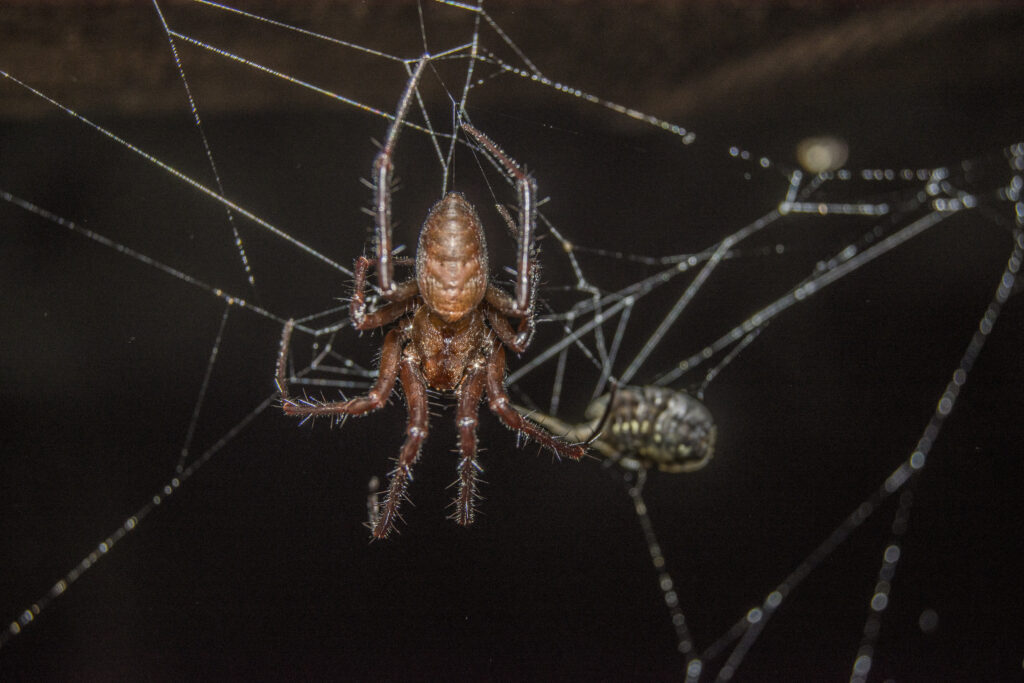
Prevent spiders from entering your house by sealing entry points with caulk, weather stripping, and door sweeps. Keep your home clean by dusting, vacuuming, and decluttering regularly. Utilize essential oils like Peppermint, Lavender, and Tea Tree to repel spiders naturally. Remove clutter, clean often, and reduce hiding spots for spiders. Install screens on windows to act as barriers and maintain airflow. Consider attracting natural predators like centipedes, swallows, or wrens to keep spider populations in check. Implement these strategies to deter spiders effectively and maintain a spider-free home.
Genuine Pest Control is your professional provider of exterminating services. Call us today at (402) 300-8168 for reliable and affordable pest management.
Key Takeaways
- Seal entry points with weather stripping and caulk.
- Keep a clean home by dusting and decluttering.
- Use essential oils like Peppermint or Lavender as natural repellents.
- Install window screens to block spider entry.
- Utilize natural predators like centipedes and birds to control spider populations.
Seal Entry Points
To prevent spiders from entering your home, one effective measure is to seal all possible entry points. By using weather stripping and caulk around windows and doors, gaps where spiders could crawl through can be effectively blocked. Installing door sweeps at the bottom of exterior doors can also prevent spiders from sneaking inside. Additionally, ensuring that window screens are in good condition and free of holes is essential in keeping these pests out. Spiders are adept at squeezing through tiny openings, so a thorough inspection of your home's exterior for any cracks or crevices that need sealing is vital. Regular maintenance and prompt repairs are key in maintaining a spider-free environment. By taking these simple steps to seal off entry points, you can significantly decrease the chances of spiders finding their way into your living spaces and provide a more comfortable and spider-free home for you and your family.
Keep Your Home Clean
Maintaining a clean living environment is essential in deterring spiders from taking up residence in your home. Implementing regular cleaning routines and effective pest management strategies can help keep these unwanted guests at bay. Here are some key points to keep in mind:
- Regular Cleaning: Dust and vacuum your home frequently to eliminate spider webs, eggs, and prey insects that may attract spiders.
- Declutter: Keep your living space organized and free of clutter as spiders tend to hide in piles of items such as clothes, paper stacks, or boxes.
- Proper Waste Management: Dispose of garbage regularly and make sure that trash bins are tightly sealed to prevent attracting insects that spiders feed on.
Use Essential Oils
When looking to naturally repel spiders from your home, turning to essential oils can be a simple and effective solution. These oils can act as natural spider repellents, creating a scent barrier that spiders typically avoid. Additionally, DIY essential oil blends can be easily created to tailor the repellent to your preferences and needs.
Natural Spider Repellents
One effective method for deterring spiders from entering your home is to utilize natural spider repellents, particularly those made with essential oils. These plant-based solutions can be powerful allies in keeping spiders at bay. Here are some ways to make your own homemade sprays using essential oils:
- Peppermint Oil Spray: Spiders dislike the strong scent of peppermint oil. Mix a few drops of peppermint essential oil with water in a spray bottle and apply it around entry points and corners to create a barrier spiders won't cross.
- Lavender Oil Spray: Lavender not only smells pleasant to us but repels spiders due to its potent fragrance. Combine lavender essential oil with water and spray it in areas where spiders tend to lurk.
- Tea Tree Oil Spray: Tea tree oil is another effective natural spider repellent. Dilute tea tree oil with water and spray it in cracks, crevices, and corners to deter spiders from setting up webs.
These homemade sprays offer a safe and eco-friendly way to keep spiders away from your living spaces.
DIY Essential Oil Blends
To create effective natural spider repellents, utilizing essential oils can be a simple yet powerful approach. DIY spider repellents made from essential oil blends not only keep spiders at bay but also offer aromatherapy benefits. Peppermint oil, for example, is known for its strong scent that spiders detest. Mixing a few drops of peppermint oil with water in a spray bottle and applying it around entry points can help repel spiders. Similarly, a blend of tea tree oil, lavender oil, and citrus oil can create a pleasant aroma while warding off spiders.
These essential oil blends not only serve the purpose of keeping spiders away but also contribute to a more fragrant and soothing environment in your home. The aromatherapy benefits of these oils can promote relaxation and reduce stress levels for those residing in the space. By incorporating DIY essential oil blends into your spider repellent routine, you can create a harmonious and spider-free living environment.
Remove Clutter
Regularly decluttering your living space can greatly reduce the chances of spiders finding their way indoors. Keeping a tidy home not only promotes a sense of calm but also helps in keeping unwanted guests like spiders at bay. Here are some simple steps you can take to declutter effectively:
- Organize Space: Make sure everything has a designated place in your home. Clutter provides hiding spots for spiders, so keeping things organized reduces their potential habitats.
- Declutter Home: Regularly go through your belongings and get rid of items you no longer need. Less clutter means fewer places for spiders to hide and lay eggs.
- Clean Regularly: Dust and vacuum your home frequently to remove cobwebs, egg sacs, and spiders. Maintaining cleanliness is key to preventing spiders from settling in.
Install Screens on Windows
To effectively deter spiders from entering your home, it is advisable to install screens on your windows. Window screens act as a physical barrier, preventing spiders and other insects from gaining access to your house while still allowing for ventilation options. By installing screens on all windows, you can enjoy fresh air without the concern of unwanted arachnid guests sneaking in.
Window screens are available in various materials, such as aluminum, fiberglass, or stainless steel, and can be customized to fit different window sizes. They are easy to install and provide a cost-effective solution to keep spiders at bay. Regularly checking and repairing any tears or holes in the screens will guarantee their effectiveness in keeping unwanted critters out.
In addition to deterring spiders, window screens also offer protection against dust, pollen, and other debris, improving the overall indoor air quality. By incorporating window screens into your home maintenance routine, you can create a more comfortable and spider-free living environment.
Utilize Natural Predators
When it comes to keeping spiders away from your home, utilizing natural predators can be an effective and environmentally friendly solution. Natural predators like certain species of birds, insects, and even some household pets can help control spider populations. Consider providing suitable habitats for these predators around your home to encourage their presence and help keep spiders at bay.
Natural Predator Benefits
Harnessing natural predators like certain spider species can be an effective and eco-friendly approach to controlling spider populations in and around your home. By encouraging these natural predators to thrive, you can help maintain a natural balance in your living environment while reducing the need for chemical interventions.
Benefits of Utilizing Natural Predators:
- Predator Effectiveness: Certain spider species are highly effective at preying on other spiders, insects, and pests, helping to keep their populations in check.
- Eco-Friendly Solution: Utilizing natural predators is a sustainable and environmentally friendly way to manage spider populations without the use of harmful chemicals.
- Maintaining Natural Balance: By allowing natural predators to control spider populations, you can help maintain a healthy ecosystem within your home and garden.
Effective Predator Species
By utilizing natural predators as a method of spider control, homeowners can effectively manage spider populations without resorting to chemical interventions. Introducing predator species like spiders, centipedes, and birds into your home environment can have a positive impact on controlling spider populations. These predators help maintain a balance in the ecosystem by preying on spiders, thereby naturally reducing their numbers.
Predator species such as spiders are known for their behavior of actively hunting and feeding on other spiders. This predatory behavior helps in regulating the spider population within your home. Centipedes, on the other hand, are also effective predators of spiders and can contribute to keeping their numbers in check. Additionally, birds like swallows and wrens are natural predators of insects, including spiders, and can play a significant role in population control.
Predator Habitat Considerations
Utilizing natural predators for spider control requires careful consideration of their habitat within your home environment. By understanding the habitat needs of these beneficial creatures, you can effectively harness their predatory power to keep spiders at bay. Here are some key points to keep in mind:
- Habitat Modification: Create a welcoming environment for natural enemies of spiders by providing suitable hiding spots and nesting areas. This can include leaving undisturbed corners, piles of leaves, or installing bird feeders to attract birds that feed on spiders.
- Environmental Factors: Consider factors like temperature, humidity, and lighting when accommodating predator habitats. For example, some predators thrive in damp areas, while others prefer dry conditions. Adjusting these environmental factors can encourage the presence of natural spider enemies.
- Biological Control: Introduce predator species that are known to feed on spiders, such as certain types of spiders, centipedes, or beetles. This method of biological control can help maintain a natural balance in your home ecosystem, reducing spider populations without the need for chemicals.
Frequently Asked Questions
Can Spiders Enter Through Air Vents?
Similar to a door, air vents can serve as entry points for spiders. To prevent their intrusion, make sure window screens are intact and seal cracks around vents. These simple steps can help keep unwanted arachnids out of your home.
Will Using Vinegar Keep Spiders Away?
Vinegar, while commonly believed to repel spiders, has limited effectiveness. Though it may deter them temporarily, natural alternatives like peppermint oil or citrus can be more potent. Maintaining a clean environment and sealing entry points are key long-term solutions.
Do Spiders Prefer Certain Fabrics?
Fabric preferences vary among spiders, with some showing a preference for rough textures like burlap or wool. However, repellent effectiveness is not solely determined by fabric choice. Other factors such as scent and chemical composition play an essential role.
Can Spiders Be Attracted to Light?
Spiders can be attracted to indoor lighting due to their natural behavior. Light sources may draw them in, especially during the evening. Be mindful of this tendency and consider using alternative lighting methods to deter spiders from entering your home.
How Effective Are Ultrasonic Pest Repellents?
When considering methods for pest control, electronic devices like ultrasonic pest repellents have shown mixed results in studies. While some find them effective, others prefer natural remedies like essential oils or vinegar as a more reliable option.


