
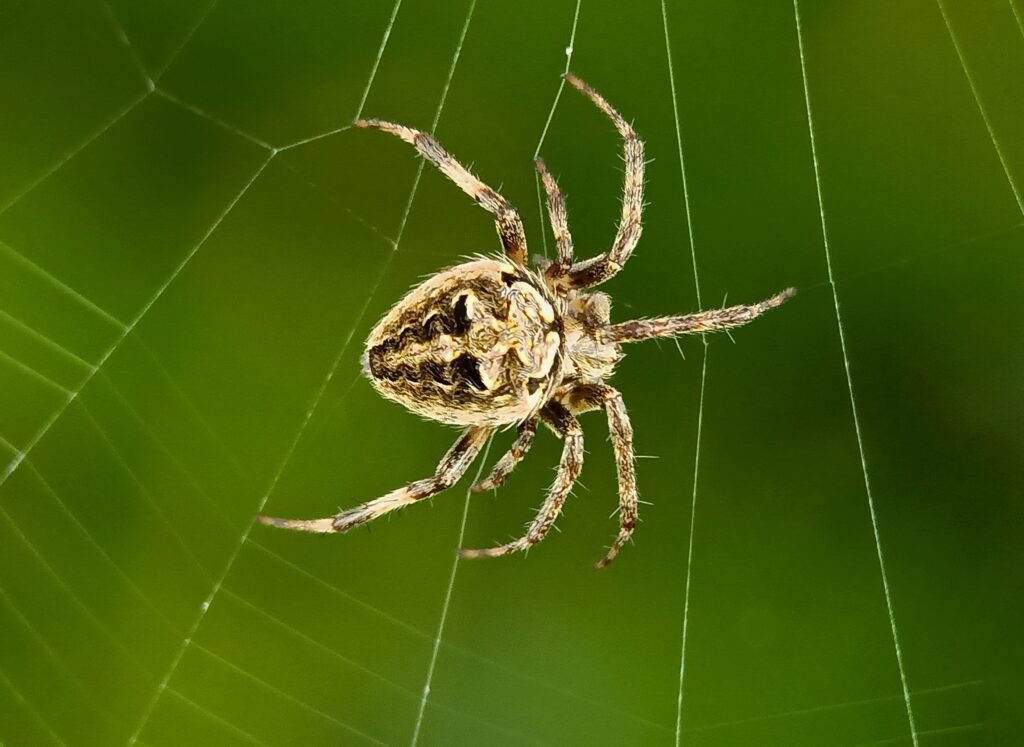
Omaha hosts common spider varieties like the common house spider, wolf spider, and sac spider. The common house spider constructs webs indoors, while wolf spiders thrive in outdoor settings. Sac spiders are adaptable to both indoor and outdoor environments. Beware of venomous spiders like the brown recluse and black widow, recognizable by distinct markings. Omaha's indoor spaces commonly harbor house spiders, cellar spiders, and cobweb spiders, while outdoor areas are home to orb-weaver spiders and wolf spiders. Learn about these spiders' unique characteristics, pest control roles, seasonal activities, and effective management tips for encounters to enhance your understanding.
Genuine Pest Control is your professional provider of exterminating services. Call us today at (402) 300-8168 for reliable and affordable pest management.
Key Takeaways
- Common house, wolf, and sac spiders are prevalent.
- Venomous spiders include brown recluses and black widows.
- Indoor spiders like house and cellar spiders are common.
- Outdoor spiders in Omaha include orb-weavers and wolf spiders.
- Spiders play a vital role in pest control in Omaha.
Common Spider Species in Omaha
In Omaha, several common spider species can be found throughout the city and its surrounding areas. Spider identification in Omaha includes species like the common house spider, wolf spider, and sac spider. The common house spider is often found indoors, spinning webs in corners or ceilings. Wolf spiders prefer outdoor habitats like gardens and grassy areas, while sac spiders can be found in both indoor and outdoor locations. Understanding spider habitats is essential for effective pest management. Common house spiders typically reside in human-made structures, while wolf spiders prefer ground-level burrows. Sac spiders may inhabit trees, shrubs, or buildings. By recognizing these habitats, individuals can take steps to minimize encounters with spiders in their living or working spaces. Keeping indoor areas clutter-free and sealing entry points can help reduce spider presence, promoting a more comfortable environment for residents in Omaha.
Venomous Spiders to Watch Out For
When considering the presence of venomous spiders in Omaha, it is vital for residents to be aware of potential species that may pose a threat. Venomous spider identification and prevention are essential to guarantee safety. Two venomous spiders commonly found in Omaha are the brown recluse and the black widow. The brown recluse has a distinctive violin-shaped marking on its back and tends to hide in dark, secluded areas. Black widows are shiny black with a red hourglass shape on their abdomen. To prevent encounters with these spiders, it is advisable to wear gloves when handling items in storage areas and to shake out clothing and shoes before wearing them.
In the unfortunate event of a venomous spider bite, immediate first aid and treatment are necessary. Clean the bite area with soap and water, apply a cold compress, and seek medical attention promptly. Symptoms of a venomous spider bite may include pain, swelling, redness, and in severe cases, nausea and muscle cramps. Being informed and prepared can help lessen the risks associated with venomous spiders in Omaha.
Spiders That Prefer Indoor Environments
When it comes to spiders in Omaha, some species prefer to make their homes indoors rather than outdoors. These indoor spiders can commonly be found in residential and commercial buildings throughout the area. Understanding the characteristics and behavior of these indoor-dwelling spiders is important for effective pest management strategies.
Indoor Spider Species
The presence of indoor spider species in Omaha can often startle residents who come across these arachnids in their homes. Indoor spider habitats can include corners, closets, basements, and other dark, secluded areas where they can find shelter and prey. Identifying indoor spiders is important for homeowners to distinguish between harmless species and potentially dangerous ones.
Common indoor spider species in Omaha may include house spiders, cellar spiders, and cobweb spiders. House spiders are known for their tangled web creations in corners and behind furniture. Cellar spiders, also called daddy longlegs, have long, thin legs and prefer damp areas like basements. Cobweb spiders are recognized for their messy, irregular webs found in undisturbed areas.
While most indoor spiders are harmless and beneficial for controlling other pests, some species like the brown recluse or black widow can pose a threat to humans. If unsure about a spider's identity, it's best to contact a professional pest control service for proper identification and removal.
Common Omaha Spiders
Moving from indoor spider species to common Omaha spiders that tend to thrive indoors, understanding the arachnid species they might come across within their living spaces is crucial. When it comes to spider identification in Omaha homes, some common species include the American house spider, the cellar spider, and the yellow sac spider. These spiders are often found in dim, secluded areas such as basements, closets, and attics.
To prevent these spiders from infesting your home, maintaining cleanliness and organization in living spaces is vital. Regularly vacuuming, dusting, and sealing cracks and crevices can help deter spiders from making themselves at home indoors. Additionally, reducing outdoor lighting near entryways can help decrease the number of insects that spiders feed on, thus reducing their attraction to your home. By staying alert and implementing spider prevention strategies, residents can minimize the presence of common Omaha spiders in their living environments.
Characteristics and Behavior
Indoor-dwelling spiders in Omaha exhibit distinct characteristics and behaviors that differentiate them from their outdoor counterparts. These spiders are adept at adapting to indoor environments, where they can find shelter and prey more easily. When it comes to spider web building, indoor spiders tend to create smaller, less intricate webs compared to outdoor spiders. They often build webs in corners, behind furniture, or in basements to catch prey efficiently.
In terms of hunting techniques, indoor spiders are known for their stealth and patience. They use their webs to wait for unsuspecting insects to get caught, then quickly immobilize them before feeding. Some indoor spiders, like the common house spider, also actively hunt by stalking their prey instead of relying solely on webs. This diversity in hunting strategies among indoor spiders allows them to thrive in various indoor settings.
| Characteristics | Spider Web Building | Hunting Techniques |
|---|---|---|
| Size of webs | Smaller, less intricate | Stealth and patience |
| Location of webs | Corners, behind furniture | Web-based and stalking |
| Adaptability | Thrive in indoor settings | Diverse strategies |
Outdoor Spider Species in Omaha
Outdoor spider species in Omaha encompass a variety of common spiders found in gardens, yards, and natural habitats. Understanding the presence of venomous species among these outdoor spiders is essential for residents to stay informed and take necessary precautions. By exploring the different types of outdoor spiders in Omaha, individuals can better appreciate the diverse arachnid population in their surroundings.
Common Outdoor Spiders
Among the various types of spiders that call Omaha home, the outdoor species are particularly prevalent. Spider identification is essential for homeowners to distinguish common outdoor spiders in Omaha. Examples include the common orb-weaver spider, known for its intricate circular webs, and the wolf spider, which is often found roaming on the ground. To prevent these outdoor spiders from entering homes, sealing cracks and crevices, keeping outdoor lights off at night, and reducing clutter around the yard are effective prevention strategies. Understanding the behavior and habitats of these common outdoor spiders can help residents take proactive measures to minimize encounters. By being vigilant and implementing simple prevention strategies, individuals can coexist with outdoor spiders in Omaha while keeping their living spaces spider-free. Identifying these spiders and knowing how to deter them from entering homes can contribute to a more harmonious relationship between humans and these common outdoor arachnids.
Venomous Species Presence
Venomous spiders are a concern for residents in Omaha due to their potential harm when encountered outdoors. While most spiders in Omaha are harmless, it's important to be able to identify venomous species to avoid potential risks. The two main venomous spiders found in the area are the brown recluse and the black widow.
Venomous spider identification is crucial for ensuring safety. Brown recluse spiders are light to medium brown with a distinctive violin-shaped marking on their back. Black widows, on the other hand, are shiny black with a red hourglass shape on their abdomen.
In the event of a venomous spider bite, seeking prompt medical attention is necessary. Symptoms may include pain, redness, swelling, and in severe cases, nausea and muscle cramps. Venomous spider bite treatment typically involves cleaning the wound, applying ice, and taking pain relievers. However, if symptoms worsen, medical intervention is important. Residents should always be cautious when encountering spiders outdoors and take appropriate measures to prevent bites.
Unique Characteristics of Omaha Spiders
Omaha spiders display a captivating array of distinctive characteristics that differentiate them from other arachnids found in the region. When it comes to spider anatomy, Omaha spiders are known for their unique physical features, such as the arrangement of their eight eyes and the presence of specialized hairs that aid them in detecting vibrations in their surroundings. Additionally, their web-building behavior is remarkable, with each species showcasing different techniques and patterns in constructing their webs. Some Omaha spiders build intricate, symmetrical webs to catch their prey, while others opt for messy cobwebs in dark corners to trap insects. These diverse web-building behaviors reflect the adaptability and resourcefulness of Omaha spiders in utilizing their surroundings to ensure their survival. Understanding these distinctive characteristics can not only help in distinguishing between different spider species but also in appreciating the crucial role they play in maintaining the ecological balance in Omaha.
Spiders That Help Control Pests
Spiders in Omaha play an essential role in controlling pest populations, serving as natural predators that help maintain ecological balance within the local environment. By engaging in natural pest control, these arachnids help keep insect populations in check, contributing to a healthier ecosystem. Spiders are beneficial predators that target a variety of pests, including flies, mosquitoes, ants, and other unwanted insects commonly found in homes and gardens.
These eight-legged creatures use their silk to create intricate webs that trap unsuspecting prey, making them effective hunters in the battle against pests. By preying on insects, spiders help reduce the need for chemical pesticides, promoting a more sustainable approach to pest management. Embracing spiders as allies in pest control can lead to a more balanced and harmonious environment where these creatures can thrive while assisting in keeping pest populations at bay.
In Omaha, residents can appreciate spiders not just as fascinating creatures but also as valuable partners in maintaining a pest-free environment through their natural pest control methods as beneficial predators.
Seasonal Spider Activity in Omaha
As the weather changes throughout the year in Omaha, the activity levels of spiders also undergo noticeable alterations. Spider mating habits play a vital role in their seasonal behavior. During the warmer months, such as spring and summer, spiders tend to be more active as they seek mates and establish new webs. The increased insect activity during these seasons provides ample food sources for spiders, further promoting their presence.
Conversely, in the colder months like fall and winter, spider activity decreases significantly. Many spiders enter a state of hibernation or lay fewer eggs during this time, conserving energy to survive the harsh conditions. The impact of weather on spider behavior is clear, with temperature and humidity levels influencing their movements and reproductive patterns.
Understanding these seasonal trends can help residents anticipate and manage spider encounters throughout the year. By being aware of when spider activity is at its peak and taking preventive measures, such as sealing entry points and reducing outdoor lighting, individuals can effectively minimize unwanted interactions with spiders in Omaha.
Tips for Managing Spider Encounters
When encountering spiders in residential or outdoor spaces, it is essential to employ effective management strategies to minimize potential interactions. Spider prevention is key to reducing encounters. Seal cracks and crevices, keep outdoor lights off, and maintain a tidy living space to discourage spiders from settling in. DIY spider repellents can also be helpful. Natural solutions like peppermint oil, vinegar, or citrus can act as effective deterrents. Mix these with water and spray around entry points and areas where spiders are commonly found. Regularly cleaning and decluttering your home can also help in managing spider encounters. Removing webs, vacuuming regularly, and keeping vegetation trimmed around your property can reduce the likelihood of spiders taking up residence. By implementing these simple tips for spider prevention and using DIY spider repellents, you can create a less inviting environment for spiders and minimize your interactions with them.
Frequently Asked Questions
Are There Any Pet-Safe Methods to Keep Spiders Away From Homes in Omaha?
To deter spiders in Omaha homes, utilize natural repellents like peppermint oil or vinegar, which are pet-safe. Indoor traps can also be effective. Regularly clean and declutter to eliminate hiding spots. Seek professional pest control assistance if needed.
Do Spiders in Omaha Pose a Risk to Outdoor Plants or Gardens?
As stewards of outdoor spaces in Omaha, it is prudent to acknowledge that spiders can aid in plant protection by preying on harmful pests. Incorporating natural predators into garden maintenance can support eco-friendly pest control methods, benefiting plant health.
Can Spiders in Omaha Survive Extreme Weather Conditions Like Winter Snow?
Spiders in Omaha, like most insects, can survive winter snow and extreme temperatures by adapting their behavior. They may seek shelter in protected areas or enter a state of dormancy until conditions improve, allowing them to withstand harsh weather.
Are There Any Specific Spider Species in Omaha Known for Their Intricate Webs?
Like the proverbial spider weaving its intricate web, Omaha hosts a variety of orb weavers and funnel weavers renowned for their web-building behaviors and silk production. These species showcase nature's artistry in the heart of Nebraska.
How Can Residents in Omaha Distinguish Between Harmless and Venomous Spiders?
Residents in Omaha can identify spiders by examining physical features, behavior, and habitat. To differentiate between venomous and harmless species, look for distinct markings, observe size and color, and research common local spiders for accurate identification.


