
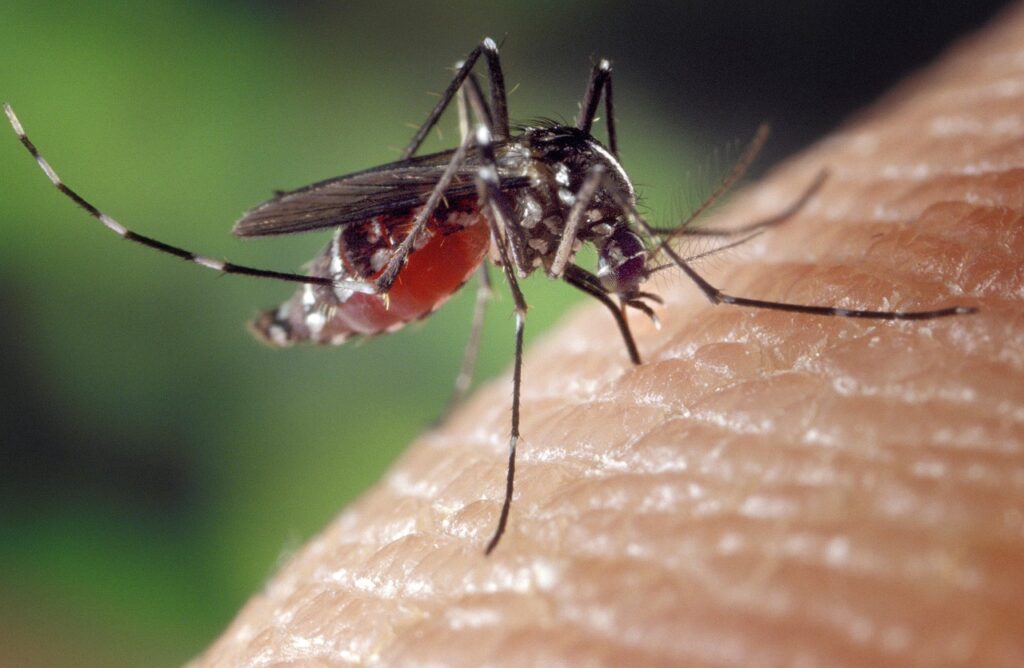
To effectively control mosquitoes, consider a combination of methods. Chemical control with insecticides can reduce populations but must be used responsibly due to environmental concerns. Natural repellents like essential oils offer a safer alternative. Mechanical control through traps and bug zappers can also help. Biological methods using predators or larvicides are environmentally friendly. Integrated management, combining strategies like habitat modification and larviciding, is most effective. Overall, a holistic approach considering effectiveness and environmental impact is key. For a thorough understanding of the best mosquito control methods, explore the various options available for inclusive management.
Genuine Pest Control is your professional provider of exterminating services. Call us today at (402) 300-8168 for reliable and affordable pest management.
Key Takeaways
- Integrated Mosquito Management combines sustainable strategies for effective control.
- Biological control using natural predators and larvicides is highly effective.
- Mechanical control methods like DIY traps and bug zappers work efficiently.
- Natural repellents like essential oils and herbal remedies provide safe and effective control.
- Following regulatory guidelines for responsible insecticide use ensures effective mosquito control.
Chemical Control Methods
Chemical control methods are commonly employed in the effective management of mosquito populations. These methods involve the use of various insecticides to target and reduce mosquito numbers in areas where they pose a threat to human health. While chemical control can be highly effective in rapidly reducing mosquito populations, there are concerns regarding their toxic impact on the environment and non-target species.
Insecticides used for mosquito control can have adverse effects on aquatic ecosystems, beneficial insects, and other wildlife. The toxic impact of these chemicals can persist in the environment, leading to unintended consequences. It is important to carefully consider the potential environmental concerns associated with chemical control methods.
To mitigate these risks, it is vital to use insecticides responsibly and according to guidelines set by regulatory authorities. Integrated pest management approaches that combine chemical control with other strategies, such as habitat modification and biological control, can help minimize the environmental impact of mosquito control efforts while still effectively managing mosquito populations.
Natural Mosquito Repellents
Employing natural mosquito repellents offers a non-toxic alternative to chemical control methods. These remedies are not only safe for the environment but also for individuals looking to avoid exposure to synthetic chemicals. Here are some effective natural mosquito repellents:
- Essential Oils: Essential oils like citronella, lavender, eucalyptus, and peppermint are known for their insect-repelling properties. These oils can be diluted with water and applied to the skin or used in diffusers to keep mosquitoes at bay.
- DIY Remedies: Homemade repellents using ingredients like apple cider vinegar, witch hazel, or even garlic can be effective in repelling mosquitoes. Mixing these ingredients with essential oils can enhance their mosquito-repelling properties.
- Herbal Repellents: Plants like basil, lemongrass, and marigolds contain natural compounds that mosquitoes find repulsive. Planting these herbs around your home or using them in essential oil form can help create a barrier against mosquitoes.
Mechanical Mosquito Control
Using physical barriers and traps to manage mosquito populations is known as mechanical mosquito control. DIY traps are a popular method for homeowners to decrease mosquito numbers. These traps can be made using simple materials like plastic bottles, yeast, and sugar to attract and capture mosquitoes. Bug zappers are another mechanical control tool that uses ultraviolet light to attract mosquitoes, which are then electrocuted upon contact with the device. While bug zappers can be effective in reducing mosquito populations in a specific area, they may also inadvertently harm beneficial insects.
Mechanical mosquito control methods offer a non-toxic and environmentally friendly approach to handling mosquito populations. By utilizing DIY traps and bug zappers, individuals can target mosquitoes in their immediate surroundings without the use of harmful chemicals. However, it should be noted that these methods may not provide complete eradication of mosquitoes and should be used in conjunction with other control measures for best outcomes.
Biological Mosquito Control
Biological mosquito control involves utilizing natural predators, pathogens, or parasites to regulate mosquito populations. This method offers an environmentally friendly approach to managing mosquito populations by harnessing nature's mechanisms.
- Mosquito Predator Introduction: Introducing natural predators like certain species of fish, dragonflies, and birds can help control mosquito larvae and adult populations by preying on them.
- Larvicide Application: Applying larvicides to standing water where mosquitoes breed can effectively target and kill mosquito larvae before they mature into biting adults.
- Pathogen or Parasite Utilization: Some biological control methods involve infecting mosquitoes with pathogens or parasites that reduce their ability to transmit diseases or decrease their reproductive success.
Integrated Mosquito Management
An effective approach to mosquito control that combines various strategies and techniques is known as Integrated Mosquito Management. This method focuses on using sustainable strategies to manage mosquito populations while minimizing the impact on the environment. Integrated Mosquito Management involves a combination of techniques such as habitat modification, biological control, larviciding, and adulticiding.
Community involvement is a vital aspect of Integrated Mosquito Management. By educating and engaging the community in mosquito control efforts, the effectiveness of control measures can be notably enhanced. Communities can take proactive steps to eliminate mosquito breeding sites, use mosquito repellents, and support local mosquito control programs.
Frequently Asked Questions
Can Mosquitoes Develop Resistance to Chemical Control Methods?
Mosquitoes can indeed develop resistance to chemical control methods. Over time, repeated exposure can lead to genetic changes that allow certain populations to survive treatment. This underscores the importance of integrated pest management strategies for effective control.
Are There Any Natural Repellents That Work for All Mosquito Species?
Exploring natural alternatives for mosquito control can lead to eco-friendly solutions. While no single repellent works universally for all species, options like citronella, lavender, or lemon eucalyptus offer some protection. Consistent use is key for efficacy.
How Can Mechanical Control Methods Be Applied in Urban Areas?
In the intricate dance of urban landscaping, mechanical barriers stand as sentinels against the intrusion of mosquitoes. Employing techniques like screens, netting, and barriers can effectively curtail mosquito breeding grounds in densely populated urban areas.
Do Biological Control Methods Harm Other Beneficial Insects?
Biological control methods play an important role in managing mosquito populations. While targeting mosquitoes, they can unintentionally impact other beneficial insects. It is necessary to take into account the environmental impact and ecosystem balance to minimize harm to beneficial insect populations.
What Are the Key Challenges in Implementing Integrated Mosquito Management Strategies?
Implementing integrated mosquito management faces challenges like inadequate funding sources impacting program sustainability. Effective community engagement is important for success. One interesting statistic: only 22% of mosquito control districts have dedicated funding, hindering thorough control efforts.


