
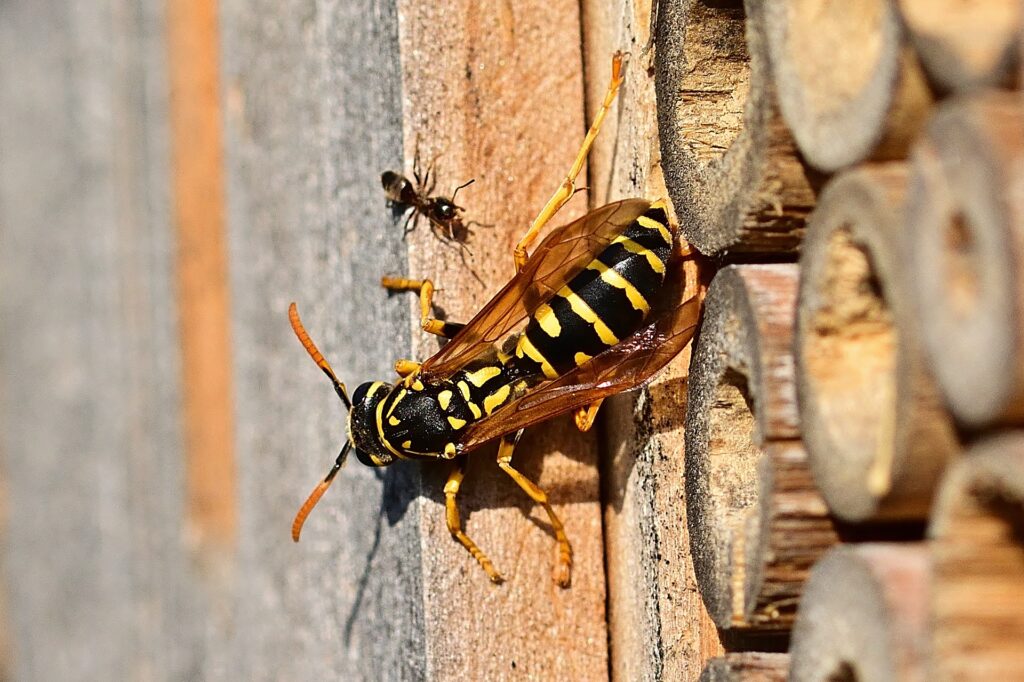
If a yellow jacket lands on you, it's crucial to remain calm and still to prevent aggression. Avoid swatting or sudden movements as they may sting. Slowly back away from the insect to maintain composure. Take care not to disturb their nest to prevent swarm responses. Seek shelter indoors and remove any scents that may attract them. Cover exposed skin and use insect repellent as a precaution. Remember to seek medical help promptly if stung, especially if allergic reactions occur. These steps can help you stay safe when encountering yellow jackets.
Genuine Pest Control is your professional provider of exterminating services. Call us today at (402) 300-8168 for reliable and affordable pest management.
Key Takeaways
- Stay calm and still to avoid provoking the yellow jacket.
- Slowly back away without sudden movements to prevent stings.
- Seek shelter indoors to safely remove yourself from the situation.
- Do not disturb the nest to prevent further aggression.
- If stung, remove the stinger, clean the area, and seek medical help if needed.
Stay Calm and Still
When encountering a yellow jacket, it is important to remain calm and still. In such situations, practicing breathing exercises can help manage anxiety and maintain composure. Taking deep breaths in and out slowly can aid in controlling your heart rate and preventing sudden movements that may provoke the yellow jacket. Visualization techniques can also be beneficial. Picture yourself in a peaceful setting, such as a serene meadow or a calming beach, to shift your focus away from the immediate threat. By visualizing a tranquil environment, you can promote relaxation and reduce the chances of agitating the yellow jacket further. Remember, staying calm and still is vital when facing a yellow jacket to avoid escalating the situation. By incorporating breathing exercises and visualization techniques, you can effectively handle the presence of a yellow jacket without causing undue alarm or harm.
Avoid Swatting or Flailing
Refrain from swatting or flailing when confronted by a yellow jacket. Yellow jackets can become agitated when they feel threatened, leading to a higher risk of being stung. Understanding their behavior and stinging process is pivotal in dealing with these situations calmly and effectively.
| Yellow Jacket Behavior | Stinging Process |
|---|---|
| Yellow jackets are territorial insects and may perceive sudden movements as aggression. | When a yellow jacket stings, it releases a pheromone that signals other yellow jackets to attack. |
| They may sting multiple times in defense of their nest or themselves. | The stinger of a yellow jacket is not barbed like a honeybee's, allowing them to sting repeatedly. |
| Swatting or flailing can trigger more aggressive behavior in yellow jackets. | The stinging process can be painful and may cause allergic reactions in some individuals. |
Slowly Back Away
To safely navigate a situation where you encounter a yellow jacket, it is advisable to slowly back away. When faced with a yellow jacket landing on you, it's crucial to remember to stay calm and act deliberately. Here are some quick tips on how to handle the situation using your natural instincts:
- Stay Composed: Despite the immediate urge to panic or swat at the yellow jacket, try to remain collected. Quick reactions fueled by fear can often escalate the situation.
- Move Gently: Avoid sudden movements that may startle the yellow jacket. By slowly backing away, you give the insect a chance to fly off without feeling threatened.
- Observe Closely: Keep an eye on the yellow jacket's movements as you retreat. Understanding its behavior can help you anticipate its next actions and avoid any potential stings.
Do Not Disturb the Nest
When encountering a yellow jacket nest, it is important to avoid disturbing it. Nest disturbance can provoke aggressive behavior from the yellow jackets, putting you at risk of stings. To guarantee your safety and the safety of those around you, it is recommended to take necessary precautions and refrain from interfering with the nest.
Nest Disturbance Risks
Disturbing a yellow jacket nest can present serious risks and should be avoided at all costs. Yellow jackets are known for their aggressive behavior when they feel their nest is threatened. Here are some risks associated with disturbing a yellow jacket nest:
- Heightened Aggression: Yellow jackets will defend their nest vigorously if they feel it is under attack. This could lead to multiple stings and a higher risk of an allergic reaction.
- Swarm Response: When a nest is disturbed, yellow jackets release pheromones that signal other members of the colony to attack. This can result in a swarm of angry yellow jackets targeting the perceived threat.
- Multiple Nests: Disturbing one yellow jacket nest could lead you to accidentally stumble upon other nearby nests, increasing the potential danger exponentially.
It's important to exercise caution and avoid nest relocation attempts without professional help to prevent these risks and guarantee your safety.
Safety Precautions Recommended
Implementing safety precautions when dealing with yellow jackets is vital to avoid potential risks associated with disturbing their nests. When approaching areas where yellow jackets are present, it is essential to wear protective clothing such as long sleeves, pants, gloves, and closed-toe shoes to minimize the chances of getting stung. This clothing can act as a barrier between you and the yellow jackets, reducing the likelihood of injury.
Moreover, maintaining environmental awareness is crucial when trying to avoid disturbing yellow jacket nests. Be mindful of your surroundings and look out for signs of yellow jacket activity like increased buzzing or movement in a particular area. By staying observant, you can steer clear of their nests and prevent any unwanted encounters.
Seek Shelter Indoors
During encounters with yellow jackets, seeking shelter indoors becomes an essential safety measure. Yellow jackets are known for their aggressive behavior, especially when disturbed during outdoor activities. To protect yourself and others from potential stings, follow these simple steps:
- Move Quickly: If a yellow jacket lands on you or if you notice a nest nearby, calmly but swiftly move indoors. Yellow jackets can become agitated easily, so it's important to relocate to a safer environment promptly.
- Close Doors and Windows: Once indoors, make sure all doors and windows are securely closed. This prevents any stray yellow jackets from following you inside, reducing the risk of further encounters.
- Stay Calm: If a yellow jacket does manage to get inside, remain calm. Panicking or swatting at the insect may provoke it to sting. Instead, quietly and carefully escort the yellow jacket back outside without causing harm to yourself or the insect.
Remove Any Scents
To effectively deal with yellow jackets, it is important to remove any scents that might attract them. Creating a scent-free environment can help deter these insects from coming near you. Additionally, using natural repellents like mint or citronella can further aid in keeping yellow jackets at bay.
Scent-Free Environment
Creating a scent-free setting is vital when dealing with a yellow jacket infestation. Yellow jackets are drawn to scents, especially sweet fragrances, which can make it difficult to keep them away during outdoor activities like picnics. To maintain a scent-free setting and prevent yellow jackets from being attracted to you, consider the following tips:
- Wear Fragrance-Free Clothing: Opt for unscented hygiene products and avoid using perfumes, colognes, or strongly scented lotions when participating in outdoor activities. Yellow jackets can be drawn to these fragrances, making you a potential target.
- Avoid Intense Scents: When organizing a picnic or any outdoor gathering, refrain from using strongly scented candles, air fresheners, or scented oils. These aromas can attract yellow jackets to your location.
- Tidy Up Food and Drinks Promptly: Ensure that all food and drinks are covered when not in use and promptly clean up any spills. Sweet and sugary substances are particularly appealing to yellow jackets, so keeping the area clean can help discourage them from congregating.
Natural Repellents
When aiming to deter yellow jackets from your outdoor space, employing natural repellents can be an effective strategy. DIY remedies using essential oils are popular options that can help keep these pesky insects at bay. Peppermint oil, clove oil, and citronella oil are known for their ability to repel yellow jackets naturally. You can create your own repellent spray by mixing a few drops of these essential oils with water and a bit of dish soap to help the mixture adhere to surfaces. Alternatively, placing cotton balls soaked in these oils around your outdoor area can also help deter yellow jackets. Remember to reapply the repellent regularly, especially after rain or wind that may wash it away. By utilizing these natural repellents, you can enjoy your time outdoors without the nuisance of yellow jackets disrupting your peace.
Cover Exposed Skin
For protection against yellow jackets, it is necessary to cover exposed skin. Yellow jackets are attracted to bright colors, floral patterns, and exposed skin, making it important to take precautions. Here are some simple steps to safeguard yourself:
- Wear Protective Clothing: Opt for light-colored, long-sleeved shirts and pants to minimize exposed skin. Additionally, choose closed-toe shoes to protect your feet.
- Use Quick Reactions: If a yellow jacket lands on you, remain calm and avoid swatting or crushing it against your skin. Slowly brush it off or gently blow it away to prevent it from feeling threatened and stinging.
- Tuck in Clothing: Make sure that your shirt is tucked into your pants and your pants are tucked into your socks or shoes to reduce the chances of yellow jackets getting inside your clothing.
Use Insect Repellent
To enhance your defense against yellow jackets, utilizing insect repellent is an effective measure. DIY repellent options can be a practical solution for keeping these pesky insects at bay. You can make a simple repellent at home by mixing essential oils like citronella, peppermint, or lemongrass with water or a carrier oil. These natural ingredients are known to repel yellow jackets effectively.
When applying insect repellent, make sure to cover exposed skin thoroughly. Pay special attention to areas where yellow jackets are likely to land, such as the arms, neck, and legs. It's important to follow the instructions on the repellent's label for the best results. Remember to reapply the repellent as necessary, especially if you are outdoors for an extended period.
Seek Medical Help if Stung
In the event of a yellow jacket sting, seeking medical assistance is important to ensure proper care and treatment. Here are some vital steps to take if you've been stung:
- First aid: After a yellow jacket sting, it is essential to remove the stinger promptly to reduce the amount of venom injected. Clean the area with soap and water, apply a cold compress to reduce swelling, and consider taking over-the-counter pain medication if needed.
- Watch for allergic reactions: Some individuals may experience severe allergic reactions to yellow jacket stings, such as difficulty breathing, swelling of the face or throat, dizziness, or a rapid heartbeat. If you or someone else shows signs of a severe allergic reaction, seek emergency medical help immediately.
- Medical evaluation: Even if you do not have a known allergy, seeking medical attention after a yellow jacket sting is advisable if you experience persistent pain, swelling, or signs of infection. A healthcare provider can assess the sting site, provide appropriate treatment, and offer guidance on managing any symptoms that may arise.
Frequently Asked Questions
Can Yellow Jackets Sting More Than Once?
Yellow jackets can indeed sting multiple times due to their smooth stingers, unlike honeybees that leave their stingers behind. Each sting can trigger various reactions, from localized pain, redness, and swelling to severe allergic reactions that require immediate medical attention.
Do Yellow Jackets Only Attack When Provoked?
Yellow jackets, known for their defensive behavior, usually attack when they feel threatened. Their communication signals trigger aggression, but they won't typically engage unless provoked. Understanding their nature can help prevent unnecessary encounters.
How Far Can a Yellow Jacket Chase You?
When faced with a yellow jacket chase, employing effective escaping tactics is essential. Yellow jackets have speed limitations and usually chase for short distances. Moving calmly and steadily away from the area can help avoid further confrontation and stings.
Can Yellow Jackets Smell Fear or Anxiety?
Yellow jackets can detect fear responses through chemical signals. Research suggests they may be attuned to stress hormones, reacting more aggressively in the presence of fear or anxiety. Understanding this behavior can aid in prevention strategies.
Can Yellow Jackets Sting Through Clothing?
Yellow jackets can sting through thin clothing, making clothing protection essential. To prevent stings, wear thick, long-sleeved garments. Avoid loose-fitting clothes that could trap a yellow jacket. Vigilance and proper attire can help minimize the risk of stings.


