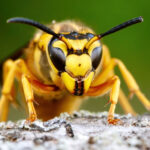
Guarantee the safety of your home and family in Millard, NE by prioritizing stinging insect control. Identifying and addressing wasp, bee, and hornet infestations promptly is crucial. Early detection and preventive measures like sealing entry points and regular inspections can impede nest formation near residential areas. Signs like heightened insect activity or visible nests should prompt immediate action. Professional stinging insect removal services offer swift elimination using expert strategies with safety in mind. Further information on eco-conscious solutions, seasonal behavior patterns, and effective nest identification can be beneficial in thorough pest management.
Genuine Pest Control is your professional provider of exterminating services. Call us today at (402) 300-8168 for reliable and affordable pest management.
Key Takeaways
- Professional inspection for accurate identification of stinging insects.
- Effective treatments tailored to the specific type of infestation.
- Educational resources on prevention techniques and early detection.
- Regular monitoring to ensure long-term control and prevention.
- Implement prevention measures to keep stinging insects away from residential areas.
Importance of Stinging Insect Control
Stinging insect control in Millard is a vital aspect of maintaining public safety and preserving the well-being of residents. Prevention techniques play a significant role in keeping stinging insects at bay. Regular inspections of potential nesting sites, sealing entry points, and keeping outdoor areas clean and free of food sources are effective preventive measures.
Nest removal is another key component of stinging insect control. It is important to locate and safely remove nests to prevent the insects from establishing colonies near residential areas. Professional pest control services can safely eliminate nests and provide ongoing monitoring to guarantee the problem does not recur.
Types of Stinging Insects in Millard
Understanding the types of stinging insects present in Millard is essential for effective pest control. Common stinging insects such as wasps, bees, and hornets can pose a threat to residents. Knowing how to identify their nests can help in early detection and prevention of potential stinging incidents.
Common Stinging Insects
Millard residents may encounter a variety of common stinging insects in their surroundings. It is important to be aware of these insects to prevent painful stings and potential allergic reactions. Here are some common stinging insects found in Millard:
- Yellow Jackets: Known for their aggressive behavior, yellow jackets build nests in the ground or other hidden spots. Prompt nest removal is crucial to avoid stings.
- Honey Bees: These bees play a significant role in pollination but can sting if provoked. Sting prevention includes avoiding sudden movements near them.
- Wasps: Paper wasps are common in Millard and can build nests under eaves or in trees. Removing these nests promptly is key to reducing encounters.
- Hornets: Hornets, like the bald-faced hornet, are aggressive defenders of their nests. Sting prevention involves staying away from their nesting sites.
Being cautious around these common stinging insects and taking steps for nest removal and sting prevention can help Millard residents stay safe during outdoor activities.
Nest Identification Tips
Identifying nests of stinging insects in Millard is an essential step in managing potential encounters with these pests. Different types of stinging insects construct unique nests, which can help in their identification. Here are some key tips to help you recognize common stinging insect nests in Millard:
| Insect Type | Nest Description |
|---|---|
| Yellow Jackets | Paper-like nests often found in the ground or wall voids. |
| Hornets | Large, hanging nests usually located in trees or under eaves. |
| Wasps | Umbrella-shaped nests attached to eaves, trees, or shrubs. |
When dealing with stinging insects, it's important to handle nest destruction and removal with care to avoid potential stings. If you encounter a nest on your property, consider contacting professionals for safe and effective nest removal. By being able to identify these nests, you can take the necessary steps to protect yourself and your loved ones from stinging insect encounters.
Signs of Stinging Insect Infestations
Surveying your surroundings for signs of stinging insect infestations is essential for early detection and effective control. Being aware of the following indicators can help you take prompt action to address the issue:
- Increased Insect Activity: A sudden rise in stinging insects buzzing around your property could signify a nearby nest.
- Visible Nests: Discovering nests in eaves, trees, or underground indicates a significant infestation.
- Multiple Sightings: Regularly encountering stinging insects indoors or outdoors suggests a potential infestation.
- Aggressive Behavior: If stinging insects exhibit heightened aggression, it may indicate a nest nearby that needs addressing.
Risks Associated With Stinging Insects
When dealing with stinging insects, it's important to be aware of the risks they pose, including the potential for allergic reactions to their stings. Understanding nest relocation methods can help reduce the dangers associated with these insects, while seeking professional extermination services can guarantee a safe and effective removal process.
Allergic Reactions to Stings
Allergic reactions to stings from stinging insects can range from mild irritation to life-threatening conditions. It's important to be aware of the symptoms, treatment options, prevention, and safety measures associated with these reactions:
- Symptoms: Allergic reactions to insect stings may include swelling, redness, itching, hives, and in severe cases, difficulty breathing, dizziness, or a drop in blood pressure.
- Treatment: If someone shows signs of a severe allergic reaction, it's necessary to seek immediate medical help. Treatment may involve the use of epinephrine, antihistamines, or corticosteroids to manage symptoms.
- Prevention: To prevent allergic reactions to stings, individuals should avoid wearing strong scents, bright colors, and open-toed shoes outdoors. It's also recommended to keep food and drinks covered when outside.
- Safety: Being cautious around stinging insects, such as bees and wasps, by avoiding sudden movements and not disturbing their nests can greatly reduce the risk of getting stung and experiencing an allergic reaction.
Nest Relocation Methods
Stinging insects like bees and wasps often build their nests in close proximity to human dwellings, posing potential risks to residents and passersby. When it comes to addressing these nests, nest relocation techniques can be considered as an alternative to extermination. Safe handling is important during this process to minimize the risk of stings and guarantee the well-being of both the insects and individuals involved.
Nest relocation presents challenges due to the defensive nature of stinging insects when their nests are disturbed. Success rates can vary depending on factors such as the type of insect, nest size, and location. Professional pest control experts trained in nest relocation techniques have the knowledge and skills to safely move nests to a more suitable location, away from human activity.
While nest relocation can be an effective method for managing stinging insect populations, it is vital to approach this task with caution and expertise to achieve the desired outcomes while minimizing risks to both humans and the insects themselves.
Professional Extermination Services
Addressing stinging insects like bees and wasps requires a cautious approach to guarantee the safety of individuals and mitigate potential risks. When opting for professional extermination services, it is important to take into account the following:
- Extermination Methods: Professional exterminators are trained in utilizing effective techniques to eliminate stinging insects safely and efficiently.
- Pest Behavior: Understanding the behavior of stinging insects is essential for targeting their nests and colonies accurately during the extermination process.
- Nest Removal: Professional services ensure thorough nest removal, preventing the insects from returning and minimizing the risk of future infestations.
- Safety Measures: Experienced exterminators prioritize safety precautions to protect both individuals and the environment from harmful chemicals or aggressive insect reactions.
DIY Prevention Tips for Homeowners
For homeowners looking to take proactive measures against stinging insects on their property, implementing do-it-yourself prevention strategies can be highly effective. By using DIY prevention techniques and natural remedies, you can create a safer environment for your family and guests. Here are some simple yet effective home remedies and homemade traps to help keep stinging insects at bay:
| Prevention Tip | Description | Benefits |
|---|---|---|
| Seal Entry Points | Patch up any cracks or gaps in walls and doors | Prevents insects from entering |
| Maintain Yard | Keep your yard tidy and free of standing water | Reduces insect breeding grounds |
| Plant Insect-Repellent Plants | Grow lavender, mint, or marigold plants | Natural insect deterrent |
| Use Citrus Peels | Place citrus peels near entry points | Repels insects with the scent |
| DIY Vinegar Trap | Fill a jar with vinegar and a drop of dish soap | Attracts and traps insects |
Professional Stinging Insect Removal Services
Professional stinging insect elimination services are crucial for effectively and safely eradicating nests and colonies of stinging insects from residential or commercial properties. When faced with a stinging insect infestation, relying on expert solutions ensures a thorough and efficient elimination process. Here are four key benefits of professional stinging insect elimination services:
- Quick Elimination: Professional exterminators have the tools and expertise to swiftly locate and eradicate stinging insect nests, minimizing the potential risks to occupants of the property.
- Expert Strategies: Trained professionals can accurately identify the type of stinging insect infesting the property and implement targeted elimination tactics, ensuring a successful outcome.
- Safety: Professional elimination services prioritize the safety of both the occupants and the environment, utilizing appropriate protective gear and environmentally friendly elimination methods.
- Prevention: In addition to elimination, professionals can offer advice on preventing future infestations, helping property owners maintain a stinging insect-free environment. Trusting in professional services guarantees a thorough and long-lasting solution to stinging insect problems.
Eco-Friendly Pest Control Solutions
With a growing focus on sustainability and environmental impact, the demand for eco-friendly pest control solutions has seen a significant rise. Homeowners and businesses in Millard, NE, are increasingly seeking organic solutions and sustainable practices to address pest issues without harming the environment. Organic solutions involve the use of natural products derived from plant extracts or minerals, which are safe for humans, pets, and beneficial insects. These solutions effectively target pests while minimizing the impact on the ecosystem.
Sustainable practices in pest control aim to prevent infestations through proactive measures such as sealing entry points, reducing sources of food and water for pests, and promoting a balanced ecosystem in and around the property. By adopting eco-friendly pest control solutions, individuals can protect their homes or businesses from stinging insects while contributing to a healthier environment for future generations. Embracing these practices not only guarantees effective pest management but also demonstrates a commitment to responsible stewardship of the environment.
Seasonal Behavior of Stinging Insects
As the seasons change in Millard, NE, so does the behavior of stinging insects, impacting the way they interact with their environment and potential threats they may pose to residents. Stinging insects exhibit different behaviors based on the time of year, making it essential for residents to understand these patterns to stay safe. Here are some key points to keep in mind:
- Nest Construction: In the spring and early summer, stinging insects like wasps and hornets are busy constructing their nests. They seek sheltered spots to build their homes, which can sometimes lead to unwanted encounters near residential areas.
- Reproductive Cycles: During the warmer months, stinging insects focus on their reproductive cycles. This period is when they are most active and aggressive in defending their nests. Residents should exercise caution when near nesting sites to avoid potential stings.
- Foraging Behavior: In the fall, stinging insects become more aggressive as they forage for food to sustain their colonies through the winter months. This behavior can lead to increased encounters with humans as they scavenge for resources.
- Hibernation: As winter approaches, stinging insects start to hibernate or die off. It is during this time that their presence diminishes, providing relief for residents until the cycle begins again in the spring.
Identifying Stinging Insect Nests
To effectively control stinging insects, it is essential to be able to identify their nests. Understanding where these nests are commonly located and recognizing their distinctive appearance are key factors in successful pest management. By learning to spot these nest location tips and appearance clues, individuals can take proactive measures to address stinging insect infestations promptly and effectively.
Nest Location Tips
Stinging insects such as wasps, hornets, and bees often build their nests in various locations that may go unnoticed until it becomes a problem. Identifying these nest locations early on can help in effective nest relocation or prevention strategies. Here are some tips to help you locate stinging insect nests:
- Eaves and Overhangs: Check the eaves and overhangs of your home, as these areas provide shelter and protection for stinging insects.
- Trees and Shrubs: Inspect trees and shrubs in your yard for hanging nests or visible entrances where stinging insects may be building their homes.
- Wall Cavities: Be aware of any holes or gaps in exterior walls where stinging insects might establish their nests.
- Ground Nests: Keep an eye out for nests in the ground, especially in areas with sparse vegetation or bare soil.
Nest Appearance Clues
When it comes to dealing with stinging insects, recognizing the appearance of their nests is vital to effectively addressing the issue. Stinging insect nests vary in appearance based on the species. For example, paper wasps construct umbrella-shaped nests made of a paper-like substance created from wood fibers and saliva. Yellow jackets prefer to build their nests underground, often near the entrance of their hive. Bumblebees, on the other hand, fashion their nests in abandoned rodent burrows or dense grass. Hornets typically create large, enclosed nests resembling a football or basketball.
Nest construction is meticulous and serves as the home and breeding ground for the stinging insects. Regular nest maintenance is crucial for the survival of the colony. Stinging insects are territorial and will defend their nests aggressively if they feel threatened. Understanding the appearance and location of these nests is essential for effective stinging insect control. If you notice any unusual nest structures around your property, it is best to contact a professional pest control service to safely remove them.
Effective Management Strategies
Developing effective management strategies for controlling stinging insects in the Millard area requires a holistic approach that integrates proactive measures with targeted treatments. To effectively manage stinging insects, consider the following strategies:
- Nest Identification: Thoroughly inspect the area to locate nests, identifying the type of stinging insects present.
- Nest Relocation: When possible, relocate nests to a safer location away from human activity to minimize the risk of stings.
- Sealing Entry Points: Seal off entry points around buildings to prevent stinging insects from establishing nests indoors.
- Regular Monitoring: Implement a routine monitoring schedule to promptly address any new nests or infestations that may arise.
Frequently Asked Questions
Can Stinging Insects Cause Damage to My Property?
Stinging insects can indeed cause property damage. An infestation spread can lead to structural harm, like weakened foundations or nests in walls. Prompt control measures are essential to prevent costly repairs and maintain a safe environment.
How Quickly Can a Stinging Insect Infestation Spread?
Preventing a stinging insect infestation is essential to avoid rapid spread. Regular inspections, sealing entry points, and prompt removal of nests are effective measures. Early detection and swift action are key in halting infestations from spreading.
Are Stinging Insects Attracted to Certain Colors?
Stinging insects, such as bees and wasps, are often attracted to bright floral colors like yellow and blue. Understanding their color preferences can help in developing visual deterrents for prevention strategies, minimizing their presence in specific areas.
What Should I Do if I Encounter a Stinging Insect Nest?
When encountering a stinging insect nest, it is crucial to handle the situation with caution. Seek professional help for nest removal to guarantee safety. Just as a skilled conductor leads an orchestra, professionals orchestrate a successful nest removal.
Do Stinging Insects Serve Any Beneficial Purpose in the Ecosystem?
Stinging insects play crucial roles in ecosystems. They contribute to pollination, aiding in plant reproduction and biodiversity. Additionally, some species help control pest populations, maintaining a balance in nature. Despite their stings, these insects serve important functions in the environment.