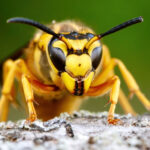
Stinging insect control in Elkhorn, NE is vital for averting potential dangers from aggressive stinging insects such as bees, wasps, hornets, and yellow jackets. Effective nest removal reduces encounters and diminishes the risk of stings and allergic reactions, especially for individuals with allergies. Proper identification of common stinging insects and signs of infestation plays a pivotal role in effective management. Different species may require specific control methods, emphasizing the importance of early detection. Homeowners can employ DIY prevention methods, but professional extermination services offer expertise, specialized equipment, and long-lasting solutions. Seek professional help for thorough control and prevention measures.
Genuine Pest Control is your professional provider of exterminating services. Call us today at (402) 300-8168 for reliable and affordable pest management.
Key Takeaways
- Professional pest control services in Elkhorn NE offer expertise in stinging insect identification and safe nest removal.
- Trained technicians use specialized equipment for effective nest management and elimination near properties.
- Choose a pest control company with certifications, transparent treatment methods, and environmentally friendly practices.
- Seasonal considerations impact stinging insect activity, with spring and summer being peak nest-building periods.
- Prevent infestations by using DIY methods like natural repellents, traps, and regular property inspections for potential entry points.
Importance of Stinging Insect Control
Stinging insect control in Elkhorn is vital for maintaining a safe and comfortable environment for residents and visitors alike. Nest removal plays an important role in this process, as it eliminates the breeding grounds for these insects, reducing the chances of encounters with aggressive stinging insects. By effectively managing nests, the risk of stings and potential allergic reactions is greatly decreased.
Allergy management is another crucial aspect of stinging insect control. For individuals with allergies to insect stings, encountering stinging insects can pose a serious threat to their health and well-being. Proper control measures, including nest removal and proactive monitoring, can help prevent allergic reactions and provide peace of mind to those at risk. By addressing stinging insect issues promptly and efficiently, communities in Elkhorn can create a safer environment for all residents and visitors, ensuring that outdoor activities can be enjoyed without the fear of dangerous encounters.
Common Stinging Insects in Elkhorn
Among the various insects that can pose a threat to the residents of Elkhorn, several common stinging insects are prevalent in the area. Proper identification of these species is essential for effective management. Some of the common stinging insects found in Elkhorn include bees, wasps, hornets, and yellow jackets.
When dealing with stinging insects, it is vital to locate and remove their nests promptly. Nest removal is a key step in preventing these insects from establishing a presence near residential or commercial properties.
Identifying the specific species of stinging insects is important as different species may require different methods of control and removal. For example, wasps and hornets build their nests above ground, often in trees or under eaves, while yellow jackets tend to build their nests underground. Bees, on the other hand, are known for their beneficial role in pollination and should be handled with care.
Signs of Infestation to Watch For
When it comes to stinging insect control, recognizing signs of infestation is vital. Identifying nest locations and monitoring population numbers are key steps in early detection. By staying vigilant and observant, property owners can take proactive measures to address infestations promptly.
Identifying Nest Locations
Nest locations of stinging insects can often be identified through careful observation of certain signs of infestation. If you notice a high number of wasps or bees entering and exiting a specific area of your property, it is likely that there is a nest nearby. Additionally, listening for buzzing sounds emanating from walls, ceilings, or outdoor structures can also indicate a nest's presence.
When identifying nest locations, it is important to proceed with care to avoid potential stings. If you do locate a nest, it is advisable to contact a professional pest control service for safe removal or relocation. Attempting to remove a nest on your own can be risky and may lead to agitating the insects, resulting in potential harm.
In situations where nests are located in hard-to-reach or sensitive areas, such as near electrical wires or water sources, professional nest removal or relocation services are necessary. By enlisting the help of experienced professionals, you can guarantee the safe and effective management of stinging insect nests on your property.
Monitoring Population Numbers
To effectively manage stinging insect infestations, monitoring population numbers is vital. By keeping track of population trends and conducting data analysis, pest control professionals can detect signs of infestation early on, allowing for prompt and targeted intervention. One effective way to monitor population numbers is by setting up monitoring stations near known nesting sites or areas with high insect activity. These stations can help track the number of insects present and provide valuable data for analysis.
To emphasize the importance of monitoring population numbers, consider the following table:
| Signs of Infestation to Watch For |
|---|
| Increased sightings of stinging insects near buildings or outdoor spaces |
| More frequent encounters with individual insects or swarms |
| Higher rates of stings reported by residents or visitors |
| Visible presence of nests or hives in and around the property |
| Unusual buzzing or humming sounds coming from specific areas |
Regular monitoring and data analysis are pivotal components of an effective stinging insect control strategy. By staying vigilant and proactive, pest control professionals can address infestations swiftly and efficiently.
Risks Associated With Stinging Insects
When dealing with stinging insects, it is essential to understand the health implications of their stings. Allergic reactions can range from mild discomfort to severe, life-threatening situations. By educating oneself and others on prevention methods, the risks associated with stinging insects can be minimized.
Health Implications of Stings
The presence of stinging insects poses significant health risks to individuals who may come into contact with them. Allergic reactions to insect stings can range from mild irritation to severe, life-threatening responses that require immediate emergency care. It is essential for those who are allergic to stings to carry an epinephrine auto-injector and seek medical attention promptly if stung. In some cases, repeated exposure to insect stings can lead to long-term effects, such as increased sensitivity and heightened risk of severe reactions with subsequent stings. Beyond the physical consequences, the psychological impact of being stung by insects can also be substantial, causing anxiety, fear, and avoidance behaviors in affected individuals. Understanding the health implications of stings is vital in managing and mitigating the risks associated with stinging insects. Proper education and awareness can help individuals take necessary precautions and seek appropriate medical attention when needed.
Prevention Through Education
Given the inherent health risks associated with stinging insects, it becomes essential to focus on prevention through education to effectively manage and reduce the dangers posed by these creatures. Educational resources play a pivotal role in raising awareness about the potential risks and proper precautions to take when encountering stinging insects. Interactive workshops can provide hands-on learning experiences, teaching individuals how to identify different types of stinging insects, understand their behavior, and implement strategies to minimize encounters that could lead to stings. By educating the community on the dangers associated with stinging insects, individuals can learn how to protect themselves and their loved ones from potential harm. These educational initiatives serve as critical tools in empowering people to make informed decisions when faced with stinging insect encounters, ultimately promoting safety and well-being within the community. Through proactive education and engagement, the risks associated with stinging insects can be effectively managed and minimized.
DIY Prevention Methods for Homeowners
To effectively address stinging insect issues at home, homeowners can implement simple do-it-yourself (DIY) prevention methods. Using natural repellents like peppermint oil, citronella, or eucalyptus can deter stinging insects from nesting near your home. These scents are unpleasant for insects and can help to keep them away. Placing effective traps, such as yellow jacket traps or fruit fly traps, can also help to reduce the number of stinging insects in your outdoor spaces. Make sure to regularly empty and clean these traps to maintain their effectiveness.
Sealing any cracks or crevices in your home's exterior can prevent stinging insects from finding their way inside. Check for gaps around doors, windows, utility lines, and pipes, and use caulk or weatherstripping to seal them off. Keeping your outdoor eating areas clean and free of sugary spills can also help reduce the attraction of stinging insects.
Benefits of Professional Extermination Services
Addressing stinging insect issues at home can be a challenging task for homeowners, especially when DIY methods prove to be insufficient. While DIY remedies and natural solutions are commonly attempted, professional extermination services offer distinct benefits.
One significant advantage of hiring professionals is their expertise. Trained technicians have the knowledge and experience to accurately identify the type of stinging insects present, locate their nests, and effectively eliminate them. This targeted approach guarantees a more thorough and long-lasting solution compared to DIY attempts.
Moreover, professional exterminators use specialized equipment and proven techniques that may not be accessible to homeowners. These tools enable them to safely remove stinging insects without causing harm to the environment or risking the safety of residents.
Seasonal Considerations for Control
During different seasons, stinging insect activity fluctuates, impacting the approach to control and prevention strategies. Understanding weather patterns, nesting habits, pest activity, and environmental factors is essential for effective stinging insect control throughout the year.
| Season | Weather Patterns | Nesting Habits | Pest Activity | Environmental Factors |
|---|---|---|---|---|
| Spring | Warmer temperatures and rain promote insect activity | Insects start building nests in preparation for breeding season | Increased activity as insects emerge from hibernation | Blooming flowers attract pollinators |
| Summer | Hot and dry conditions favor insect activity | Nests become larger and more active | Peak activity as insects forage for food | Increased human interaction due to outdoor activities |
| Fall | Cooling temperatures lead to decreased activity | Insects may abandon nests or die off | Decreased activity as insects prepare for winter | Fallen leaves provide hiding spots for insects |
Choosing the Right Pest Control Company
When seeking effective stinging insect control, selecting the right pest control company is paramount. Conducting a pest control comparison can help you make an informed decision. Begin by researching local companies and reading customer reviews to gauge their reputation. Look for companies with expert recommendations or certifications, as this indicates a higher level of expertise and professionalism.
Before making a choice, contact multiple pest control companies to inquire about their services, pricing, and treatment methods. A reputable company will be transparent about their processes and provide you with a detailed plan of action.
It is vital to make sure that the pest control company you choose uses environmentally friendly and safe practices to protect your family and pets. Additionally, inquire about any guarantees or warranties offered for their services. By taking the time to compare different pest control companies and considering expert recommendations, you can select the right company to effectively handle stinging insect control on your property.
Frequently Asked Questions
Can Stinging Insects Cause Damage to My Property?
Stinging insects can indeed cause property damage, especially if they build nests near structures. To prevent this, regular inspections and prompt removal of nests are essential. Check your insurance policy for coverage of potential property damage caused by stinging insects.
Do Stinging Insects Pose a Threat to Pets?
Stinging insects can pose a threat to pets by causing allergic reactions or potential harm. Pet safety is paramount when dealing with these insects. Taking precautions is crucial to shield your pets from potential stings.
How Quickly Can Stinging Insect Infestations Grow?
The infestation timeline of stinging insects can vary, but their population growth is known for its rapid nature. Addressing such issues promptly with professional pest control services can prevent further escalation and guarantee a safe environment.
Are There Any Natural Repellents for Stinging Insects?
When seeking natural repellents for stinging insects, consider DIY solutions like essential oils. Peppermint, citronella, and eucalyptus oils can deter these pests. Dilute a few drops in water and spray in problem areas to create a barrier.
Will Stinging Insect Control Services Affect My Garden?
Stinging insect control services may impact your garden. To mitigate effects on pollinator protection, inquire about organic alternatives. Consider methods that target specific pests to safeguard beneficial insects. Proper planning can help maintain a balanced ecosystem.