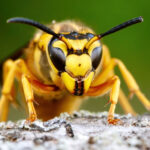
Protect your Papillion, NE property and loved ones by addressing stinging insects like bees, wasps, hornets, and yellow jackets promptly. Keep an eye out for nests and unusual insect activity as signs of infestation. Maintain your garden, seal entry points, and employ DIY remedies like natural repellents and traps. When facing a serious issue, consider seeking professional exterminators who have the expertise and tools to safely eradicate the problem. Regular inspections and proper waste management are key in creating a stinging insect-free environment. Safeguard your surroundings and prioritize safety with effective control measures for stinging insects.
Genuine Pest Control is your professional provider of exterminating services. Call us today at (402) 300-8168 for reliable and affordable pest management.
Key Takeaways
- Identify stinging insect types and nests for effective control.
- Seek professional exterminators for safe and thorough removal.
- Regular property inspections are essential for prevention.
- Use natural repellents and traps to manage insect populations.
- Maintain a clean environment to deter stinging insects.
Identifying Common Stinging Insects
When it comes to stinging insect control in Papillion, NE, an essential first step is being able to identify the common stinging insects that may be present in the area. Understanding the behavioral patterns of these insects can help in determining the best approach for nest removal and overall management.
Common stinging insects in Papillion, NE include bees, wasps, hornets, and yellow jackets. Bees are known for their significant role in pollination but can sting if they feel threatened. Wasps are aggressive defenders of their nests, which can be found in various locations such as under eaves or in the ground. Hornets are large and build paper-like nests, often high off the ground. Yellow jackets are attracted to sugary substances and can be quite aggressive when disturbed.
Identifying these stinging insects and their nesting sites is vital for effective control and prevention strategies. By recognizing their behavioral patterns, professionals can safely and efficiently remove nests, reducing the risk of stings and ensuring a safer environment for the community.
Signs of Infestation to Look For
When dealing with a potential stinging insect infestation, it is essential to be vigilant for visual nest sightings and increased insect activity. Visual nest sightings, such as noticing nests in or around your property, can indicate a stinging insect issue that needs attention. Additionally, an uptick in insect activity, like seeing more wasps or bees than usual, may signal a growing infestation that requires professional intervention.
Visual Nest Sightings
Upon inspecting your property for signs of a stinging insect infestation, one significant aspect to keep in mind is visual nest sightings. If you notice nests around your property, it is essential to take action promptly. When dealing with nests, safety precautions must be observed to prevent potential stings and allergic reactions. Proper protective gear should be worn, and it is advisable to seek professional help for nest removal to guarantee it is done safely and effectively.
In some cases, nest relocation may be considered as an alternative to complete removal. However, it is vital to understand the ecological impact of nest relocation. Careful consideration should be given to the potential consequences on the local ecosystem before deciding on this approach.
Increased Insect Activity
Detecting signs of increased insect activity is crucial in identifying a potential infestation on your property. When it comes to stinging insect control in Papillion NE, recognizing the early warning signs is vital. Here are some key indicators to be aware of:
- Seasonal patterns: Pay attention to the time of year when insect activity tends to peak. Different species may be more prevalent during specific seasons, indicating a potential infestation.
- Environmental factors: Factors such as weather conditions, availability of food sources, and nesting sites can influence insect activity. Be mindful of any changes in the environment that may attract or sustain insect populations.
- Spike in sightings: An increase in the number of insects seen around your property could signal a growing infestation. Keep an eye out for clusters of insects or heightened activity in certain areas.
- Unusual behavior: Watch for any unusual behavior exhibited by insects, such as increased aggression or swarming. These behaviors could indicate a more significant issue that requires attention.
Prevention Tips for Your Property
To effectively protect your property from stinging insects, it is essential to implement preventive measures that deter their presence. Proper garden maintenance and property landscaping are key factors in reducing the attraction of stinging insects to your outdoor spaces. Regularly trimming bushes, trees, and shrubs can help eliminate potential nesting sites for these pests. In addition, keeping your garden well-maintained by removing any standing water sources and overripe fruits can discourage stinging insects from establishing colonies near your home.
When it comes to property landscaping, consider planting insect-repelling plants such as marigolds, lavender, and citronella, which naturally deter stinging insects. These plants not only add beauty to your landscape but also serve a practical purpose in keeping pests at bay. Moreover, sealing any cracks or crevices in your home's exterior can prevent stinging insects from finding their way indoors.
DIY Remedies for Stinging Insects
When dealing with stinging insects, DIY remedies can often be effective and budget-friendly. Natural repellents like peppermint oil or vinegar can deter these pests without harsh chemicals. Homemade traps using ingredients like sugar water or fruit juice can help control their populations, while implementing garden-friendly prevention tips can create an inhospitable environment for stinging insects.
Natural Repellent Options
Curious about natural repellent options to ward off stinging insects without resorting to chemical solutions? Here are some simple and effective natural remedies to keep those pesky insects at bay:
- Essential Oils: Certain essential oils like peppermint, citronella, eucalyptus, and tea tree oil are known for their insect-repelling properties. Mix a few drops with water in a spray bottle and apply around your home or outdoor gathering areas.
- Plant-Based Solutions: Plants like lavender, basil, marigold, and mint naturally deter stinging insects. Consider planting these in your garden or placing potted versions near entry points to your home.
- Vinegar Spray: A solution of equal parts water and vinegar can act as a natural insect repellent. Spray it around doorways, windows, and other areas where stinging insects may enter.
- Cinnamon Powder: Sprinkling cinnamon powder near potential entry points can also help in deterring stinging insects due to its strong scent.
Homemade Trap Recipes
Homemade traps offer an effective and cost-efficient way to manage stinging insects around your home or outdoor spaces. To create your own traps, start by choosing effective baits like sugary substances for wasps and meat for yellow jackets. For a simple wasp trap, cut the top off a plastic bottle, invert it, and secure it with tape. Fill the bottle with a mixture of water, sugar, and vinegar. Yellow jackets are attracted to meat, so a mixture of water, sugar, and raw meat in a jar can be an essential bait. Once the traps have served their purpose, it's vital to practice safe disposal methods. Make sure to empty the traps away from your living area, seal the contents in a bag, and dispose of them properly. By using homemade traps with effective baits and ensuring safe disposal, you can help control stinging insects around your home without the need for harmful chemicals.
Garden-Friendly Prevention Tips
To effectively manage stinging insects in your garden without resorting to harmful chemicals, garden-friendly prevention tips and DIY remedies can be beneficial.
Here are some simple and effective tips to help keep stinging insects at bay in your garden:
- Planting deterrents: Certain plants like marigolds, mint, and citronella can act as natural deterrents for stinging insects due to their strong scents. Consider adding these plants to your garden to help repel unwanted visitors.
- Non-toxic solutions: Instead of using chemical pesticides, opt for non-toxic solutions like neem oil spray or a mixture of water and dish soap to control stinging insects. These natural remedies are safer for the environment and won't harm beneficial insects in your garden.
- Maintain cleanliness: Regularly remove any standing water sources in your garden as they can attract stinging insects looking for a drink. Keep your garden clean and tidy to discourage insects from making a home there.
- Use physical barriers: Consider installing screens or nets around sensitive areas of your garden to prevent stinging insects from gaining access to these spaces. Physical barriers can be an effective way to keep your garden safe and insect-free.
Hiring Professional Exterminators
Engaging the services of professional exterminators is a crucial step in effectively addressing stinging insect infestations in Papillion, NE. While DIY prevention methods can be helpful in minimizing the risk of infestations, there are times when the expertise and tools of professional services are necessary to fully eradicate the problem. Professional exterminators have the knowledge and experience to identify the type of stinging insects present, locate their nests, and safely remove them from your property.
Maintaining a Stinging Insect-Free Environment
Professional maintenance of a stinging insect-free environment is crucial to preventing future infestations in Papillion, NE. To achieve this, consider the following tips:
- Regular Inspections: Conduct routine checks around your property to catch any signs of stinging insects early on.
- Proper Waste Management: Ensure all garbage cans are securely sealed to avoid attracting stinging insects looking for food sources.
- Seal Entry Points: Seal any cracks or crevices in your home to deter stinging insects from finding their way inside.
- Professional Hive Removal: If you come across a bee or wasp nest, contact a professional for safe and efficient removal to prevent aggravating the insects.
Frequently Asked Questions
Are Stinging Insects More Active During Specific Times of the Day?
Stinging insects exhibit peak activity during daylight hours, especially in warm weather. Professionals recommend wearing protective gear when dealing with them. Understanding their behavior patterns can help minimize encounters and guarantee safe control methods are implemented.
How Can I Safely Remove a Stinging Insect Nest on My Property?
When dealing with a stinging insect nest on your property, prioritize safety by wearing protective gear. Removal techniques vary based on the insect species. Consider professional assistance for complex nests or opt for DIY options with caution.
Do Stinging Insects Pose a Greater Risk to Children or Pets?
Stinging insects can pose a greater risk to children than pets due to their curiosity and less predictable behavior. Allergic reactions are a concern, so prevention is key. Providing protection, such as wearing long sleeves, can mitigate potential risks.
Can Stinging Insects Cause Damage to My Home's Structure?
Stinging insects can cause property damage through their nesting behaviors. Their presence can pose structural risks by burrowing into wood, causing weakening or decay. Regular inspection and prompt removal are crucial to prevent such damage.
What Should I Do if I Encounter a Swarm of Stinging Insects?
If faced with a swarm of stinging insects, prioritize safety. Remain calm and slowly retreat. Identify the species if possible for appropriate response. Wear protective gear and seek professional stinging insect prevention for long-term peace of mind.