
At Genuine Pest Control, we offer expert stinging insect control services in Omaha to safely and effectively eliminate bees, wasps, hornets, and yellow jackets from your property. Our professional team is skilled at identifying these pests, understanding their behavior, and locating their nests in hard-to-reach areas like under eaves, underground, or in trees. We provide comprehensive removal services using advanced techniques that ensure your safety and prevent future infestations. Don’t risk dealing with stinging insects on your own—trust our experienced exterminators to handle the problem swiftly and effectively, giving you peace of mind and a pest-free environment. Genuine Pest Control is your professional provider of stinging insect exterminating services. Call us today at (402) 300-8168 for reliable and affordable pest management.
Key Takeaways
- Locate nests in sheltered areas.
- Implement DIY prevention methods.
- Hire professional exterminators for expertise.
- Monitor property for infestations.
Identifying Common Stinging Insects
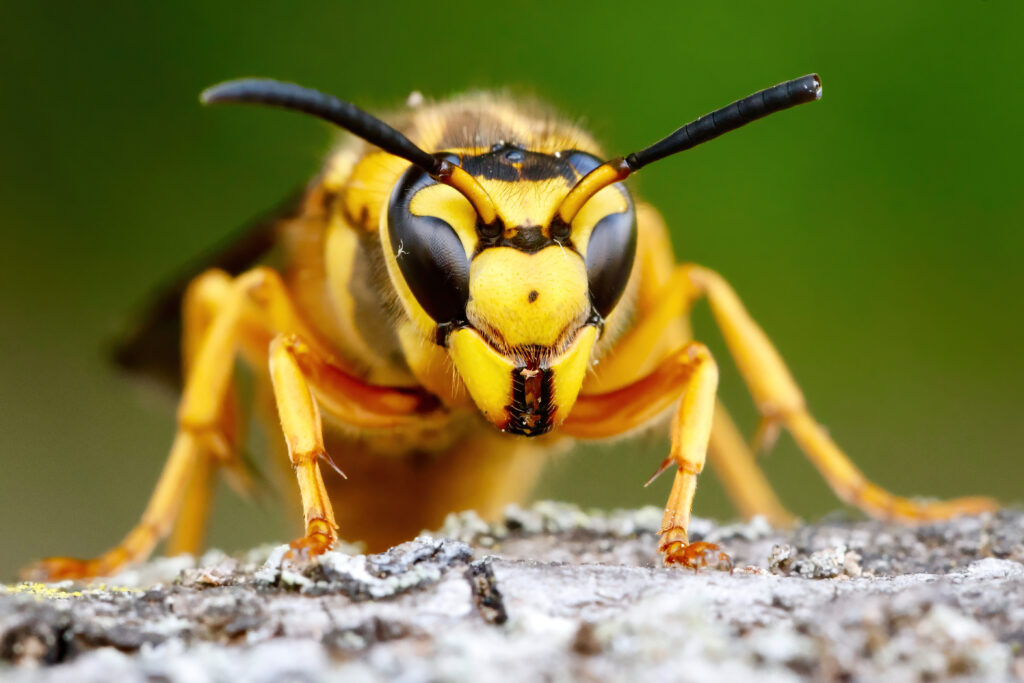
To effectively manage stinging insect infestations, it is vital to first accurately identify the common species present in Omaha. Bees are often mistaken for wasps but can be distinguished by their hairy bodies and flattened hind legs for pollen collection. Wasps are known for their aggressive behavior when their nests are threatened, unlike bees that usually only sting when provoked. Hornet nests are typically large, gray, and papery, often found in trees or under eaves. Yellow jackets are attracted to sugary substances and are known for their painful stings. To prevent yellow jackets from infesting outdoor areas, it is important to keep food and drinks covered, maintain clean outdoor spaces, and promptly dispose of garbage. Identifying these stinging insects accurately is the first step in implementing effective control measures to protect both property and individuals from potential harm.
Understanding Stinging Insect Behavior
A thorough understanding of stinging insect behavior is essential for effectively managing infestations and minimizing potential risks to both property and individuals. Stinging insects, such as bees, wasps, and hornets, exhibit intricate communication systems and behavioral patterns within their colonies. By comprehending these behaviors, pest control professionals can devise targeted strategies to address infestations safely and efficiently.
Weather plays a significant role in stinging insect activity. Warm temperatures and sunny days tend to increase the foraging behavior of stinging insects as they search for food and water sources. In contrast, rainy or windy conditions may keep the insects inside their nests, reducing their outdoor presence. Understanding how weather influences stinging insect behavior can help in predicting their activity levels and planning control measures accordingly.
Locating Stinging Insect Nests
Understanding the behavior of stinging insects can aid in effectively locating their nests for targeted control measures. Nest location is vital for the eradication of stinging insect populations. To effectively find nests, it is essential to analyze the behavior of these insects. Stinging insects such as wasps and hornets tend to build their nests in sheltered areas like under eaves, in trees, or within wall voids. They are attracted to sweet scents and food, so it is important to keep outdoor eating areas clean and covered. By observing their flight patterns and monitoring where they are most active, it becomes easier to pinpoint the location of their nests.
To prevent stinging insects from building nests near homes or businesses, effective prevention measures can be implemented. Regular inspection of the property, sealing cracks and crevices, and removing potential nesting sites like old furniture or debris can help deter these insects from settling in. By combining behavior analysis with proactive prevention strategies, the location of stinging insect nests can be identified and eradicated efficiently.
Implementing Prevention Measures
Implementing prevention measures is vital in deterring stinging insects from nesting near homes or businesses. DIY prevention methods are a cost-effective way to keep stinging insects at bay. Simple steps like sealing cracks and crevices, removing standing water sources, and keeping outdoor areas clean can help prevent these pests from establishing nests. Eco-friendly solutions, such as using natural repellents like peppermint oil or planting insect-repelling plants like marigolds, are also effective in deterring stinging insects without harming the environment.
Understanding the seasonal habits of stinging insects is pivotal for effective control. Different species have peak seasons when they are most active, making it important to adjust prevention measures accordingly. By being proactive and taking preventive actions before these peak seasons, homeowners and business owners can reduce the likelihood of stinging insect infestations.
Using Safe Removal Techniques
To effectively manage stinging insect populations near homes or businesses, utilizing safe removal techniques is paramount. Eco-friendly removal methods and natural repellent solutions are ideal for those looking to address stinging insect issues without causing harm to the environment. DIY removal tips can also be effective for smaller infestations. Non-toxic control methods, such as using soapy water to deter insects or planting insect-repelling herbs like mint and basil, can be simple yet impactful ways to manage stinging insects safely.
When opting for eco-friendly removal methods, consider using essential oils like peppermint or citronella as natural repellents. These oils not only keep stinging insects at bay but also add a pleasant aroma to your surroundings. Additionally, sealing cracks and crevices around your property, removing standing water, and keeping outdoor garbage bins tightly closed are preventive measures that can complement safe removal techniques.
Hiring Professional Exterminators
When it comes to managing stinging insects, hiring professional exterminators can provide expertise in eradication and safe pest management. Professional exterminators are equipped with the knowledge and tools necessary to effectively remove stinging insects from your property while ensuring the safety of your family and pets. Their experience in handling a variety of pest control situations can offer peace of mind in dealing with potentially dangerous stinging insects.
Expertise in Eradication
Professional exterminators possess the specialized knowledge and skills required for effective stinging insect elimination in Omaha. Their expertise in elimination techniques and advanced methods guarantees thorough removal of nests and targeted extermination of stinging insects. When facing a stinging insect infestation, it is essential to rely on professionals who are equipped with the necessary tools and experience to handle the situation safely and effectively.
Eliminating stinging insects involves more than just spraying pesticides. It requires a strategic approach that considers the type of insect, the location of their nests, and potential risks to both humans and the environment. Professional exterminators are trained to identify the species of stinging insects present, locate their nests, and implement the most suitable elimination methods.
Safe Pest Management
Experienced exterminators are fundamental for ensuring safe and effective pest management in Omaha. When dealing with stinging insects, it’s vital to prioritize safety for both the occupants of the property and the environment. Professional exterminators have the expertise and tools necessary to handle pest infestations efficiently while minimizing the risks associated with chemical treatments.
To maintain a safe environment during pest control operations, exterminators often utilize natural repellents and eco-friendly products that are less harmful to the surroundings. These natural repellents can deter pests without posing significant risks to humans or pets. Additionally, professional exterminators may implement DIY traps strategically to capture and remove pests without endangering other wildlife or beneficial insects.
The following table illustrates the benefits of hiring professional exterminators for safe pest management in Omaha:
| Benefits of Professional Exterminators |
|---|
| Expertise in safe pest control methods |
| Utilization of natural repellents |
| Implementation of DIY traps |
| Minimization of risks to occupants and environment |
Maintaining a Stinging Insect-Free Environment
To guarantee a stinging insect-free environment, regular inspections and prompt removal of potential nesting sites are essential. Utilizing natural repellents can also be an effective way to deter stinging insects from invading your space. Substances like peppermint oil, citronella, or even vinegar can act as natural barriers. DIY traps can help in capturing and reducing the population of stinging insects around your property. These traps can be made using simple materials like soda bottles, sweet baits, and soapy water to trap and drown the insects. Regularly emptying and maintaining these traps is vital for their effectiveness.
In addition to these methods, it is important to keep outdoor eating areas clean, as sweet and sugary substances can attract stinging insects. Sealing any cracks or openings in the exterior of buildings can prevent insects from finding their way indoors. By implementing these strategies and staying proactive in your approach, you can create a stinging insect-free environment for yourself and others to enjoy.
Monitoring and Preventing Future Infestations
To prevent future infestations of stinging insects, it is important to implement thorough inspection techniques to identify potential nesting sites. Effective prevention methods such as sealing entry points and removing attractants can greatly reduce the likelihood of infestations. Long-term monitoring strategies, including regular property checks and maintenance, are vital for early detection and prompt action against stinging insect presence.
Inspection Techniques for Infestations
Effective inspection techniques are important for monitoring infestations and preventing future occurrences in the field of stinging insect control in Omaha. One key aspect of inspection is identifying signs of infestation early on. This includes looking for visual cues such as an increased presence of stinging insects, nests in or around structures, and unusual buzzing activity. By recognizing these signs promptly, pest control professionals can take action to prevent the infestation from spreading.
Another vital part of inspection is locating and removing nests. Stinging insects like wasps and hornets often build their nests in hard-to-reach areas, making thorough inspection crucial. By pinpointing the exact location of the nest, pest control experts can effectively remove it, eliminating the source of the infestation.
Regular and thorough inspections are essential in stinging insect control in Omaha. By staying vigilant for infestation signs, practicing prevention techniques, and promptly removing nests, pest control professionals can help guarantee the safety and comfort of residents in the area.
Effective Prevention Methods
Utilizing proactive monitoring techniques is vital in preventing future infestations of stinging insects in Omaha. Understanding the seasonal habits and habitat preferences of these insects is critical for effective prevention methods. Stinging insects, such as wasps and bees, are attracted to certain scents, making natural repellent options a valuable tool in deterring them from nesting near homes or businesses. Planting mint, eucalyptus, or citronella around the property can act as a natural deterrent.
DIY traps can also be effective in controlling stinging insect populations. Creating traps using sweet baits like sugar water or fruit juice can help reduce the number of insects in the area. Regularly monitoring these traps and disposing of captured insects promptly is vital for their effectiveness.
Long-Term Monitoring Strategies
Implementing regular monitoring protocols is essential for effectively preventing future infestations of stinging insects in Omaha. To achieve this, consider the following strategies:
- Data collection: Regularly gather and analyze data on stinging insect populations in different areas of Omaha to identify trends and potential hotspots.
- Surveillance technology: Utilize advanced surveillance technology such as motion-activated cameras or pheromone traps to monitor stinging insect activity in real-time.
- Establish monitoring stations: Set up monitoring stations strategically across Omaha to track the presence and movement of stinging insects.
- Train staff: Provide training to staff members on how to conduct proper monitoring procedures and interpret the data collected.
Frequently Asked Questions
Are Stinging Insects More Active During Certain Times of the Day?
Stinging insects tend to be most active during daylight hours, with peak activity typically occurring in the morning and late afternoon. They prefer habitats with abundant food sources and suitable nesting sites for protection.
How Can I Differentiate Between a Bee and a Wasp Sting?
In nature’s symphony, a bee’s sting is like a gentle prod, while a wasp’s sting feels sharp and persistent. Identifying bee vs. wasp stings is vital for managing allergic reactions effectively and seeking appropriate medical attention promptly.
Can Stinging Insects Cause Damage to My Property?
Stinging insects like bees and wasps can indeed cause property damage by building nests in walls, attics, or eaves. Preventive measures, such as regular inspections and sealing entry points, can help avoid costly repairs. Home insurance may provide coverage for such damages.
What Attracts Stinging Insects to My Home?
What attracts stinging insects to homes? Common attractants include sugary foods, standing water, and bright colors. To prevent infestations, keep food sealed, fix leaks promptly, and avoid wearing floral prints outdoors. Consistent maintenance is key.
Are There Natural Remedies to Repel Stinging Insects?
Herbal repellents and essential oils are effective natural remedies to repel stinging insects. Ingredients like citronella, peppermint, and lemongrass can deter insects while providing a pleasant aroma. These alternatives offer eco-friendly solutions for insect control.
