
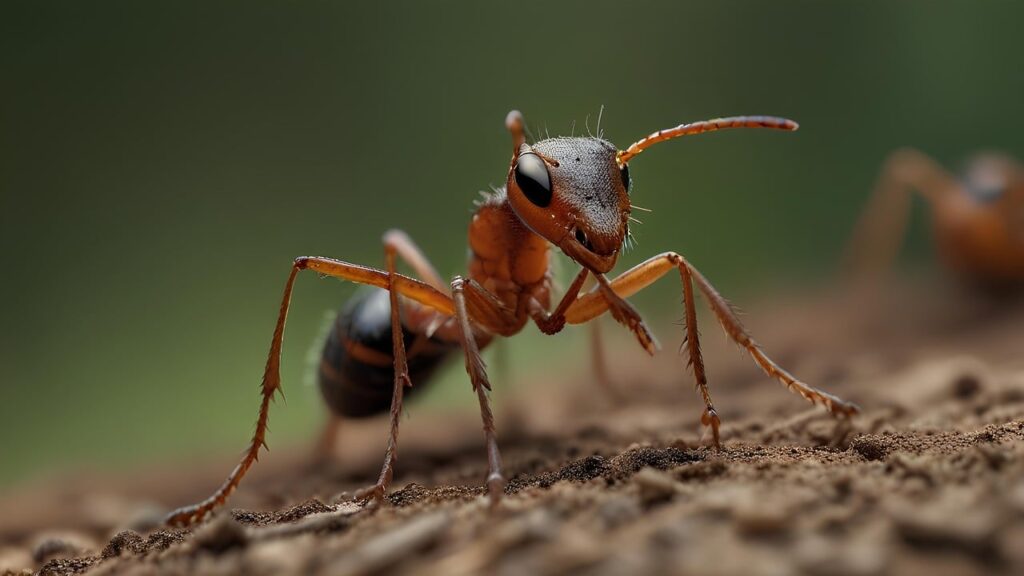
While ants may not "hate" Windex, they can be temporarily deterred by its strong scent and chemical properties. Windex can cause distress in ants by interfering with their pheromone trails, impacting their respiratory systems, and serving as a temporary repellent. However, using Windex is not a long-term solution for dealing with ant infestations. To effectively control ants, sealing entry points, eliminating food sources, and relying on scientifically proven methods are recommended. For a deeper understanding of how Windex affects ants and alternative strategies, further insights are available in the research provided.
Genuine Pest Control is your professional provider of exterminating services. Call us today at (402) 300-8168 for reliable and affordable pest management.
Key Takeaways
- Windex disrupts ant communication and pheromone trails.
- Ants are overwhelmed by the sensory effects of Windex.
- Windex creates physical barriers that ants avoid.
- Windex acts quickly as a repellent against ants.
The Myth of Windex and Ants
Often misunderstood, the belief that ants hate Windex is a common myth in pest control discussions. Windex, a popular glass cleaner, has been rumored to act as an ant repellent when sprayed on surfaces where ants are present. However, this claim has been debunked by experts in the field of pest control. While Windex may temporarily deter ants due to its strong scent and cleaning properties, it is not an effective long-term solution for ant infestations.
Ants are highly adaptable creatures, and their behavior is primarily driven by the need to find food and water sources. Using Windex as a method to repel ants is not a recommended strategy by professionals. Instead, sealing off entry points, eliminating food sources, and applying proven ant repellents can be more effective in controlling ant infestations. It is essential to rely on scientifically proven methods and products when dealing with pest issues, rather than relying on myths and rumors.
Understanding Ant Behavior
Ant behavior is driven by a complex set of factors, including the search for food and water sources. Understanding ant behavior involves delving into their intricate communication methods and foraging habits. Here are some key points to keep in mind:
- Ant Communication: Ants communicate through pheromones, which are chemical signals that help them convey information about food sources, danger, and nest locations to other colony members.
- Foraging Behavior: Ants exhibit organized foraging behavior, where scouts search for food, leave pheromone trails to guide others, and then transport the food back to the nest.
- Division of Labor: Within an ant colony, different ants have specific roles such as foragers, nurses, and defenders, working together to ensure the survival of the colony.
- Response to Environmental Cues: Ants respond to environmental cues like temperature changes and daylight to regulate their foraging and nesting activities.
How Windex Affects Ants
The impact of Windex on ants' behavior and physiology has been a topic of interest in the field of pest control research. Ant psychology plays a pivotal role in understanding how ants react to external stimuli such as cleaning products like Windex. When exposed to Windex, ants exhibit signs of distress and confusion. The chemical composition of Windex interferes with the pheromone trails that ants use for communication and foraging, disrupting their ability to navigate effectively.
Chemical reactions between the ingredients in Windex and the ants' exoskeleton can also lead to harmful effects on the insects. The ammonia and other chemicals in Windex can cause damage to the ants' respiratory system and outer shell, potentially leading to their demise. Additionally, the strong scent of Windex can deter ants from entering areas where it has been applied, serving as a temporary repellent.
Debunking Common Misconceptions
There is a need to dispel prevalent myths surrounding ants' reactions to Windex. Ant behavior often leads to misunderstandings, and it is essential to clarify common misconceptions to better serve our understanding of these tiny creatures.
- Myth 1: Ants are repelled by the blue color of Windex.
- Myth 2: Ants cannot detect the scent of ammonia in Windex.
- Myth 3: Ants die instantly upon contact with Windex.
- Myth 4: Windex disrupts ants' pheromone trails permanently.
Scientific Studies on Ant Reactions
Scientific studies have explored the impact of chemicals like Windex on ants. Researchers have investigated how ants react to substances commonly found in households, such as cleaning products. Understanding the effects of these chemicals on ants can provide valuable insights into pest control strategies.
Ants and Windex
Studies have shown that ants demonstrate aversive behavior when exposed to Windex. This popular cleaning solution, often used in households, doubles up as an effective ant repellent due to its chemical composition. Here are some interesting findings regarding ants and Windex:
- Disruption of Pheromone Trails: Windex disrupts the pheromone trails that ants use to communicate and navigate, causing confusion among them.
- Respiratory Irritation: The strong scent and chemicals in Windex can irritate ants' respiratory systems, deterring them from entering treated areas.
- Physical Deterrent: The slippery nature of Windex when sprayed on surfaces can make it difficult for ants to walk, discouraging them from crossing those paths.
- Effect on Exoskeleton: The chemicals in Windex can have detrimental effects on ants' exoskeleton, leading to discomfort and avoidance of sprayed areas.
Chemical Impact on Ants
Research has shown that the chemical composition of cleaning solutions like Windex can have significant impacts on ants' behavior and physiology. Certain chemicals found in cleaning products, such as ammonia, can act as ant repellents by disrupting their pheromone trails, which are pivotal for communication and foraging. When ants come into contact with these chemicals, it can cause confusion and disorientation within their colonies, leading them to avoid areas treated with such solutions. Additionally, the harsh nature of some cleaning chemicals can also have detrimental effects on ants' exoskeletons and respiratory systems, further discouraging their presence in treated areas.
Understanding the chemical impact of cleaning solutions on ants can provide valuable insights for pest control strategies. By utilizing this knowledge, individuals can effectively deter ants from invading their spaces by using ant-repellent cleaning products strategically. It is imperative to contemplate the potential consequences of these chemicals on the environment and other beneficial insects while using them as ant deterrents.
DIY Ant Repellent With Windex
Using Windex as a DIY ant repellent has been a popular method among homeowners seeking effective solutions. Windex contains ammonia, which is known to repel ants due to its strong scent and chemical composition. Here are some simple steps to create your own ant repellent using Windex:
- Mix equal parts of Windex and water in a spray bottle.
- Shake the bottle well to make sure the solution is properly mixed.
- Spray the mixture along entry points where ants may be entering your home.
- Reapply the solution daily or as needed to maintain its effectiveness.
This homemade remedy is cost-effective and easy to prepare, offering a practical solution for keeping ants at bay. Remember to test the solution on a small, inconspicuous area before widespread use to make sure compatibility with your surfaces.
Safe Use of Windex Around Pets
When using cleaning products like Windex around pets, their safety should be taken into account. Look for pet-friendly alternatives to Windex that are gentle and non-toxic. Additionally, follow Windex safety tips to guarantee a safe environment for both your pets and your home.
Pet-Friendly Windex Alternatives
To safely clean surfaces around pets without using Windex, consider utilizing pet-friendly alternatives such as vinegar or diluted dish soap. These natural solutions and homemade remedies are effective in keeping your home clean while ensuring the safety of your furry friends. Here are some pet-friendly alternatives to Windex:
- Vinegar: A solution of equal parts water and vinegar can be used to clean glass surfaces effectively.
- Diluted Dish Soap: Mixing a few drops of dish soap with water creates a safe and efficient cleaning solution for various surfaces.
- Baking Soda: Sprinkling baking soda on surfaces and then wiping it off with a damp cloth can help remove tough stains.
- Lemon Juice: The acidity of lemon juice can cut through grease and grime, making it a great natural cleaner.
Windex Safety Tips
For those who choose to use Windex for cleaning purposes, it is important to be aware of safety tips when using this product around pets. Windex can be harmful to pets if ingested or inhaled due to its chemical composition. To prevent Windex toxicity in pets, it is essential to store the product in a secure location that is inaccessible to them. When using Windex around pets, ensure adequate ventilation in the area to minimize their exposure to fumes. It is also advisable to keep pets away from surfaces that have been recently cleaned with Windex until the product has completely dried. In case of accidental ingestion or exposure, contact a veterinarian immediately for guidance.
When applying Windex, consider using alternative pet-friendly cleaning products to guarantee the safety of your furry companions. Always follow the instructions on the Windex label and never use it directly on surfaces where pets eat or sleep. Regularly wash your hands after using Windex to prevent any accidental transfer of chemicals to your pets through petting or handling. By being cautious and mindful of Windex application around pets, you can effectively maintain a clean home while keeping your pets safe from potential harm.
Tips for Ant-Free Home Using Windex
Using Windex in your home can be an effective way to keep ants at bay. Ants detest the smell of ammonia in Windex, making it a useful tool for ant control. Here are some tips for maintaining an ant-free home using Windex:
- Regularly Clean Surfaces: Wipe down countertops, floors, and other surfaces with Windex to remove ant trails and deter them from returning.
- Seal Entry Points: Use Windex to clean and seal cracks, crevices, and entry points where ants may be entering your home.
- Spray Ant Trails: If you spot ants marching in a line, spray Windex along their path to disrupt their communication and deter them from returning.
- Clean Trash Bins: Regularly clean and disinfect trash bins with Windex to eliminate any food residue that may attract ants.
Alternatives to Windex for Ant Control
When looking for alternatives to Windex for ant control, consider exploring natural remedies and household products that can effectively repel ants. Natural remedies such as peppermint oil, vinegar, and citrus peels are known to deter ants due to their strong scents that disrupt the ants' pheromone trails, making them lose their way. Peppermint oil, in particular, has shown promising results in keeping ants at bay. Simply dilute a few drops of peppermint oil in water and spray it around entry points and ant trails to create a barrier that ants will avoid.
Another effective alternative to Windex is using essential oils like tea tree oil, lavender oil, or eucalyptus oil. These essential oils have insect-repelling properties that can help in controlling ant infestations. Mix a few drops of essential oil with water and spray it in areas where ants are commonly seen. The strong scent of these oils can act as a natural deterrent, keeping ants away without the need for harsh chemicals.
Final Thoughts on Ants and Windex
To sum up, it seems that ants' response to Windex may vary based on the specific species and circumstances. While some anecdotal evidence suggests that Windex can act as a temporary ant repellent due to its chemical composition, further research is needed to fully understand its effectiveness. As a final thought, it is essential to explore multiple ant control methods and consult with pest control professionals for a thorough approach to managing ant infestations.
Ants' Reaction to Windex
Ants exhibit a strong aversion to Windex due to its chemical composition, which disrupts their pheromone trails and overwhelms their sensory receptors. This leads them to avoid areas treated with Windex, acting as a natural repellent to keep ants at bay. Understanding this ant behavior and the impact of Windex on them can be beneficial in managing ant infestations effectively.
- Disruption of Pheromone Trails: Windex interferes with the chemical signals ants use to communicate and navigate, causing confusion among the colony.
- Sensory Overload: The strong scent and chemicals in Windex can overwhelm ants' sensitive receptors, making them avoid areas sprayed with the product.
- Barrier Formation: Spraying Windex creates a barrier that ants are reluctant to cross, effectively deterring them from entering certain spaces.
- Quick Action: Windex's immediate effect on ants makes it a convenient solution for dealing with sudden ant invasions.
Windex as Ant Repellent
Windex serves as an effective deterrent against ants due to its ability to disrupt their communication and sensory systems. The ammonia and other compounds found in Windex interfere with the pheromone trails that ants use to communicate, causing confusion and deterring them from entering treated areas. This makes Windex a quick and convenient option for repelling ants in homes.
While Windex can be effective in keeping ants at bay, some may prefer exploring natural alternatives to avoid the potential environmental impact of using chemical-based products. Natural repellents like vinegar, citrus oils, or peppermint can also help deter ants without the use of harsh chemicals. These alternatives are eco-friendly and pose minimal risk to the environment.
Considering the environmental impact of using chemical products, especially indoors where ventilation may be limited, opting for natural remedies can provide a safer and more sustainable approach to managing ant infestations. By being mindful of the products we use, we can effectively address pest issues while minimizing harm to the environment.
Frequently Asked Questions
Can Windex Kill Ants Instantly?
When considering ant behavior and the effect of Windex, it should be emphasized that Windex can lead to instant ant elimination. The chemical properties in Windex disrupt ants' systems, causing swift eradication.
Does Windex Leave a Residue That Attracts Ants?
Ant behavior can be influenced by residues from cleaning solutions, potentially attracting them. It is essential to use products that do not leave such residues to avoid unintentionally inviting ants into your space.
Will Ants Eventually Become Immune to Windex?
Ant evolution can lead to pesticide resistance in ants. Chemical exposure can alter insect behavior over time. While some ants may develop tolerance to Windex, consistent use of varied pest control methods can deter resistance.
Can Windex Harm Other Insects Besides Ants?
Windex, primarily known as a household cleaner, can act as a bug repellent on various insects due to its chemical composition. However, its environmental impact should be considered when using it as a pest control method.
Is It Safe to Use Windex Around Food Areas?
When it comes to ant prevention and cleaning tips in food areas, it is important to prioritize chemical safety. Using products like Windex should be done cautiously to avoid contamination and maintain a hygienic environment.


