
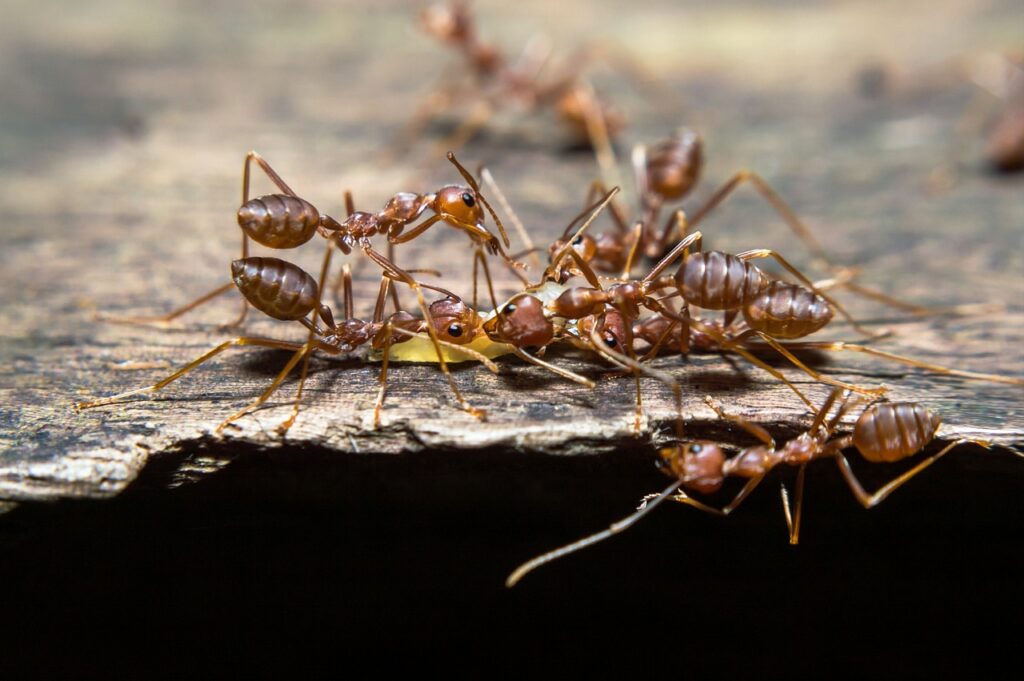
Ants strongly dislike scents of citrus, cinnamon, peppermint, vinegar, lavender, tea tree oil, cayenne pepper, garlic, and coffee grounds. These smells disrupt their pheromone trails and communication, making them effective natural repellents. Citrus, such as orange peels and lemon juice, can be used to deter ants safely. Cinnamon offers a dual benefit of repelling ants and providing health advantages. Peppermint, lavender, and tea tree oil also serve as potent ant deterrents. Utilizing these scents as alternatives to chemical repellents can create an eco-friendly and pet-friendly ant control solution.
Genuine Pest Control is your professional provider of exterminating services. Call us today at (402) 300-8168 for reliable and affordable pest management.
Key Takeaways
- Citrus disrupts ant pheromone trails, deterring ants effectively.
- Cinnamon's scent acts as a natural ant repellent.
- Peppermint's aroma deters ants and disrupts their communication.
- Lavender repels ants while leaving a pleasant fragrance.
Citrus
Ants are known to strongly dislike the scent of citrus. Using orange peels as an ant deterrent is a natural and effective way to keep these pests at bay. Simply place orange peels near entry points or areas where ants are present to deter them from invading your space. The strong citrus scent masks the pheromone trails that ants use to navigate, disrupting their communication and foraging patterns.
Similarly, lemon juice can also act as an ant repellent due to its high citric acid content. By mixing equal parts lemon juice and water and spraying it around the house, particularly in areas prone to ant activity, you can create a barrier that ants will avoid. The acidic nature of lemon juice interferes with the ants' ability to detect food sources and disrupts their scent trails, making it challenging for them to navigate effectively. Using citrus-based solutions is not only effective but also safe for both humans and pets, making it a popular choice for those seeking natural pest control methods.
Cinnamon
Ants have a strong aversion to the scent of cinnamon, making it an effective natural repellent against these insects. Many people use cinnamon powder or essential oils to deter ants from entering their homes or infesting their spaces. Its potent aroma disrupts their pheromone trails, causing them to avoid areas where cinnamon is present.
Ants and Cinnamon
Cinnamon is known to repel ants due to its strong scent and natural properties. When considering cinnamon in the context of ants, here are some key points to keep in mind:
- Cinnamon benefits: Apart from its aromatic qualities, cinnamon has various health benefits for humans. It is rich in antioxidants, has anti-inflammatory properties, and may even help in lowering blood sugar levels.
- Cinnamon for cooking: Cinnamon is a versatile spice used in both sweet and savory dishes. It adds a warm, slightly sweet flavor to baked goods, curries, oatmeal, and much more. Its distinct taste can elevate the simplest of recipes.
- Ants and Cinnamon: Ants detest the scent of cinnamon, making it an effective natural repellent. By sprinkling cinnamon powder along entry points or areas where ants frequent, you can deter them from invading your space without the use of harsh chemicals.
Incorporating cinnamon into your daily life not only adds flavor to your dishes but can also serve as a helpful tool in keeping ants at bay.
Cinnamon as Repellent
When seeking a natural solution to repel unwanted insects, cinnamon emerges as a potent option due to its strong scent and properties that deter them effectively. Cinnamon benefits extend beyond its culinary uses; it can act as a natural insect repellent due to its strong aroma that ants find displeasing. To utilize cinnamon as an ant repellent, sprinkle ground cinnamon in areas where ants frequent, such as entry points or near ant trails, to create a barrier that they are reluctant to cross. Additionally, mixing cinnamon with water to create a spray can serve as a deterrent when applied to surfaces where ants are present.
Apart from its effectiveness as an insect repellent, cinnamon offers alternative uses in cooking and baking. Its warm, sweet flavor makes it a versatile spice that enhances both sweet and savory dishes. Incorporating cinnamon into recipes not only adds a delicious aroma but also provides potential health benefits, as cinnamon is rich in antioxidants and has anti-inflammatory properties. Whether used to ward off ants or to flavor dishes, cinnamon proves to be a versatile and beneficial spice in various aspects of daily life.
Peppermint
Peppermint's strong scent has been found to deter ants from entering homes and infesting spaces. This natural repellent is a great alternative to chemical insecticides. Here are three ways to use peppermint to keep ants at bay:
- Peppermint Benefits: Peppermint not only repels ants but also has an invigorating aroma that can uplift your mood and promote focus and clarity.
- Peppermint Oil Uses: Mix a few drops of peppermint essential oil with water and spray it along entry points like windowsills and doorways to create a barrier that ants dislike.
- Peppermint Tea and Recipes: Enjoy a cup of peppermint tea to relax while naturally keeping ants away. You can also sprinkle dried peppermint leaves in areas prone to ant activity or incorporate fresh peppermint into recipes for a pleasant scent in your kitchen.
Vinegar
Have you ever wondered if vinegar can effectively repel ants from your home? Vinegar is a versatile household item that can serve multiple purposes, one of which includes deterring ants. The strong scent of vinegar disrupts the ants' ability to communicate through pheromones, making it an effective natural repellent.
One of the benefits of using vinegar to combat ants is its non-toxic nature, which is safer for both humans and pets compared to chemical insecticides. Vinegar is also readily available and inexpensive, making it a cost-effective solution for ant problems.
Vinegar can be used in various ways to repel ants. You can create a vinegar spray by mixing equal parts of vinegar and water and spraying it along ant trails, entry points, or areas where ants are present. Additionally, placing vinegar-soaked cotton balls near ant-infested areas can help deter them from coming inside.
Lavender
Lavender is known to repel ants due to its strong scent, making it a natural deterrent for these pests. This fragrant herb not only adds a pleasant aroma to your home but also helps keep ants away without the need for harmful chemicals. Consider using lavender essential oils or sachets to ward off ants and enjoy a bug-free living space.
Lavender Repels Ants
Lavender's strong scent is known to repel ants effectively, making it a natural and delightful way to keep these pests away from your home. Here are three ways lavender can help you fight off ants:
- Lavender Benefits: Lavender is not only admired for its calming aroma but also for its insect-repelling properties. Its essential oils contain compounds that ants find displeasing, deterring them from entering your living spaces.
- Ants in Garden: To protect your garden from ant invasions, consider using a homemade lavender spray. By mixing water with a few drops of lavender essential oil and spraying it around your plants or garden perimeter, you can create a barrier that ants will avoid.
- Pleasant Fragrance: Unlike chemical repellents, lavender leaves behind a pleasant and invigorating fragrance. Not only does it keep ants at bay, but it also adds a lovely scent to your surroundings.
Natural Ant Deterrent
Using natural remedies for ant control, such as the scent of lavender, can be an effective way to deter ants from entering your living spaces. In addition to lavender, several other natural ingredients also work well as ant deterrents. Lemon juice, known for its acidic properties, can be used as an insect repellent to keep ants at bay. Simply mix equal parts of lemon juice and water in a spray bottle and apply it along entry points or areas where ants are commonly seen. Another effective natural ant deterrent is orange peel. The strong citrus scent of orange peel is unpleasant to ants, deterring them from entering your home. You can place small pieces of orange peel near ant trails or potential entry points to prevent them from invading your space. By utilizing these natural remedies like lavender, lemon juice, and orange peel, you can effectively control ants in a safe and environmentally friendly manner.
Eucalyptus
Eucalyptus is known to be an effective natural repellent for ants. Its benefits extend beyond its pleasant aroma, making it a popular choice for those seeking eco-friendly pest control solutions. Here are a few reasons why eucalyptus is a great option for keeping ants at bay:
- Eucalyptus Benefits: Eucalyptus essential oil, derived from the leaves of the eucalyptus tree, contains compounds that ants find repugnant. This natural deterrent can help deter ants from entering your living spaces.
- Eucalyptus for Pests: Eucalyptus spray can be used to create barriers and deter ants from entering your home. Simply spraying eucalyptus oil around entry points can help keep ants away without the use of harsh chemicals.
- Eucalyptus Effectiveness: Ants have a strong sense of smell, and the potent fragrance of eucalyptus disrupts their ability to communicate and navigate, deterring them from invading your space.
Tea Tree Oil
Tea tree oil is known to be a natural repellent for ants due to its strong scent that they find unpleasant. The pungent aroma of tea tree oil disrupts the pheromone trails that ants use to communicate, effectively deterring them from entering spaces. Understanding how tea tree oil works to repel ants can help in effectively utilizing it as a natural solution for ant control.
Ants and Tea Tree
One natural remedy that ants are commonly repelled by is the use of tea tree oil. Tea tree oil is derived from the leaves of the Melaleuca alternifolia plant and is known for its potent properties that make it an effective natural repellent against ants. When ants encounter tea tree oil, they often steer clear due to its strong scent and chemical composition. Here are some key points about ants and tea tree:
- Tea Tree Benefits: Tea tree oil not only repels ants but also has various other benefits such as being an antimicrobial agent, soothing skin irritations, and aiding in wound healing.
- Natural Repellents: Using tea tree oil as a natural repellent helps in deterring ants without the need for harsh chemicals, making it eco-friendly and safe for households.
- Ant Behavior, Tea Tree Interaction: Ants have a want sense of smell, and the aroma of tea tree oil disrupts their communication trails, causing them to avoid areas treated with the oil.
Tea Tree Repels Ants
Tea tree oil effectively deters ants due to its strong scent and unique chemical composition. The benefits of tea tree oil extend beyond its pleasant aroma, as it acts as a natural ant repellent. For those looking to keep ants at bay without the use of harsh chemicals, DIY ant repellents containing tea tree oil can be a great solution.
Creating a simple yet effective DIY ant repellent using tea tree oil is easy. By combining a few drops of tea tree oil with water in a spray bottle, you can create a natural ant deterrent that is safe for both humans and pets. Simply spray the solution in areas where ants are commonly found, such as countertops, windowsills, and door frames, to keep them away.
Tea tree oil's powerful scent disrupts ants' ability to communicate and navigate, making it an effective and natural way to repel these pesky insects. Additionally, its chemical properties make it a safe alternative to synthetic pesticides, providing a more environmentally friendly solution for ant control.
How Tea Tree Works
The effectiveness of tea tree oil in repelling ants can be attributed to its strong scent and unique chemical composition. Tea tree oil, derived from the leaves of the Melaleuca alternifolia plant, offers various benefits and uses beyond just repelling ants. Here's how tea tree works:
- Ant Repellent: The potent scent of tea tree oil acts as a natural deterrent for ants, disrupting their pheromone trails and making them less likely to enter treated areas.
- Antimicrobial Properties: Tea tree oil possesses strong antimicrobial properties, making it effective in cleaning surfaces and eliminating bacteria that ants may be attracted to.
- Multi-Purpose Cleaner: Apart from repelling ants, tea tree oil can be used as a natural cleaner for various surfaces, leaving behind a fresh scent and germ-free environment.
Harnessing the benefits of tea tree oil extends beyond just repelling ants, making it a versatile and natural solution for various household needs.
Cayenne Pepper
Cayenne pepper is known for its pungent smell that ants strongly dislike. This spice contains a compound called capsaicin, which gives it its signature heat. When ants come into contact with cayenne pepper or its scent, they are repelled by the intense spiciness. This natural deterrent makes cayenne pepper a popular choice for keeping ants away from homes and gardens.
For those looking for spicy alternatives to chemical ant repellents, cayenne pepper can be a safe and effective option. By creating a barrier of cayenne pepper around entry points or areas where ants are prevalent, you can discourage them from venturing further. Additionally, mixing cayenne pepper with water and spraying it directly on ant trails can disrupt their pheromone communication and deter them from returning.
In the battle against ants and spice, cayenne pepper stands out as a natural solution that is readily available and easy to use. Its powerful scent serves as a reminder to ants that your space is off-limits, making it a valuable tool in your pest control arsenal.
Garlic
Among the various natural scents that ants find repugnant, garlic's strong aroma is particularly effective in deterring these unwanted pests. Garlic not only serves as a wonderful addition to various dishes but also acts as a natural ant repellent due to its pungent smell. Here are some quick points highlighting the benefits of garlic and its uses:
- Garlic Benefits and Culinary Uses:
- Garlic adds a flavorful punch to dishes like pasta, stir-fries, and marinades.
- It is a versatile ingredient that can be used fresh, minced, crushed, or roasted.
- Garlic is known for boosting the taste profile of various cuisines, from Italian to Asian dishes.
- Garlic Health Benefits and Cooking Tips:
- Garlic is rich in antioxidants and has anti-inflammatory properties that can benefit overall health.
- To maximize its health benefits, it is recommended to crush or chop garlic and let it sit for a few minutes before cooking.
- Incorporating garlic in your diet can help boost the immune system and promote heart health.
Coffee Grounds
Ants are also known to detest the smell of coffee grounds, making them an effective natural repellent for keeping ants away from your home. Using coffee grounds as an ant deterrent is a simple yet powerful method to ward off these pesky insects. The strong aroma of coffee grounds interferes with the ants' ability to communicate through pheromones, disrupting their foraging trails and deterring them from entering your living spaces.
One of the main benefits of using coffee grounds against ants is that they are readily available in most households, making it a convenient and cost-effective solution. Additionally, coffee grounds are non-toxic, making them safe to use around children and pets compared to chemical insecticides. By spreading coffee grounds near entry points, such as doors, windows, or cracks where ants may enter, you can create a barrier that ants will avoid.
Frequently Asked Questions
Can Ants Cause Damage to Buildings or Structures?
Ants can indeed cause damage to buildings or structures. They have been known to tunnel through wood, compromising its integrity. This can lead to structural issues and costly repairs if left unchecked.
How Do Ants Communicate With Each Other?
Like a well-orchestrated symphony, ants communicate through a complex dance of pheromones and tactile signals carried by their sensitive antennae. These chemical and physical cues help them coordinate tasks, mark trails, and maintain their colony's unity.
What Is the Lifespan of an Ant?
Ants, depending on the species, have an average lifespan of a few weeks to several years. Worker ants typically live for a few months, while queens can live for several years, contributing to the longevity of ant colonies.
Do Ants Have Any Natural Predators?
Ants have natural predators such as birds, spiders, and certain insects. To defend against these threats, ants utilize various tactics like releasing pheromones to signal danger, biting, stinging, and forming large groups for protection.
How Do Ants Survive Extreme Weather Conditions?
Ants survive extreme weather conditions through their burrowing techniques, creating underground tunnels for shelter. They also exhibit strategic survival tactics such as forming large colonies for warmth and storing food for sustenance during adverse environmental challenges.


